Central Kalimantan: The vast Indonesian province born from a quest for cultural autonomy
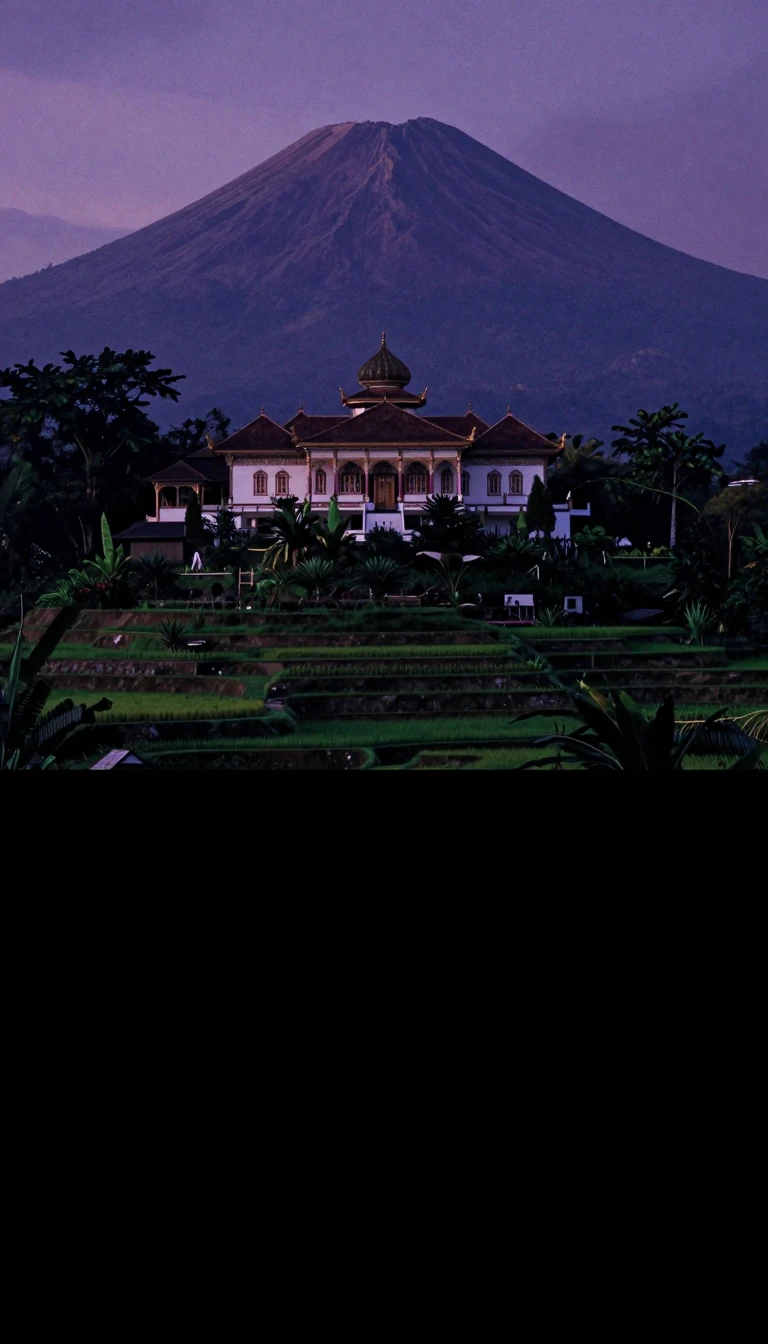
In short: As Indonesia's largest province by land area, Central Kalimantan is a sprawling landscape of peat swamps and tropical forests. Established in 1957 to grant the indigenous Dayak people their own administrative space, it remains a unique intersection of traditional governance, diverse ethnic heritage, and ongoing environmental challenges in Borneo.
Central Kalimantan was carved out of South Kalimantan in 1957, a move driven by the Dayak population's desire for self-governance. President Sukarno formalized this status under Presidential Law No. 10 of 1957, appointing the national hero Tjilik Riwut as the inaugural governor. The province, which covers over 153,430 square kilometers, is defined by its rugged Schwaner Mountains in the north and vast southern peatlands. Its capital, Palangka Raya, was established as the administrative center during this foundational period.
The region is deeply shaped by its geography and the Dayak culture. Traditional life is anchored by the Huma Betang, longhouses built on stilts from ironwood that can stretch up to 150 meters in length. Beyond these structures, the province maintains a traditional governing system led by leaders called Damang, who oversee 67 law areas to preserve Dayak heritage. This cultural identity is further expressed through unique arts, such as the Sapundu humanoid sculptures and the Mandau, a traditional single-edged sword.
Today, the province faces complex ecological and economic pressures. Its peatlands, which cover over a quarter of the region, are highly susceptible to fires and flooding, particularly during ENSO and IOD climate events. These risks have been exacerbated by deforestation and failed agricultural projects like the Mega Rice initiative. While the economy remains heavily dependent on river transportation, there are long-term plans to integrate the region into a broader Kalimantan railway network to stimulate growth.
Demographically, the province is a melting pot. While the Dayak are the indigenous inhabitants, the population has grown to over 2.8 million as of mid-2025, including significant numbers of Javanese, Madurese, and other ethnic groups. Religious life is diverse, with a majority Muslim population alongside significant Christian communities and practitioners of local beliefs like Kaharingan. This blend of indigenous tradition and modern administrative complexity makes Central Kalimantan a distinct entity within the Indonesian archipelago.
Opens the Intellect+ feed with this card first. Swipe up for the next one.
Sources
- Summary by Intellect · source: Central Kalimantan
- Also: Wikidata — Central Kalimantan · CC0
- Also: Wikidata — Central Kalimantan · CC0
To cite this card, link to https://intellectplus.co.uk/app/places-central-kalimantan.
How we source, check and correct cards: Editorial standards.
General information, not professional advice. Spotted an error? Flag the card or see corrections and complaints.
Intellect Plus is a visual educational discovery platform for exploring fascinating facts and ideas. Brain Food, Not Brain Rot. What is Intellect Plus?
Related
More in Regions and country subdivisions · More in Countries & Cities · Latest · A–Z · All topics
