Manhattan's Chinatown: A Century of Evolving Immigrant Enclaves and Shifting Cultural Identity
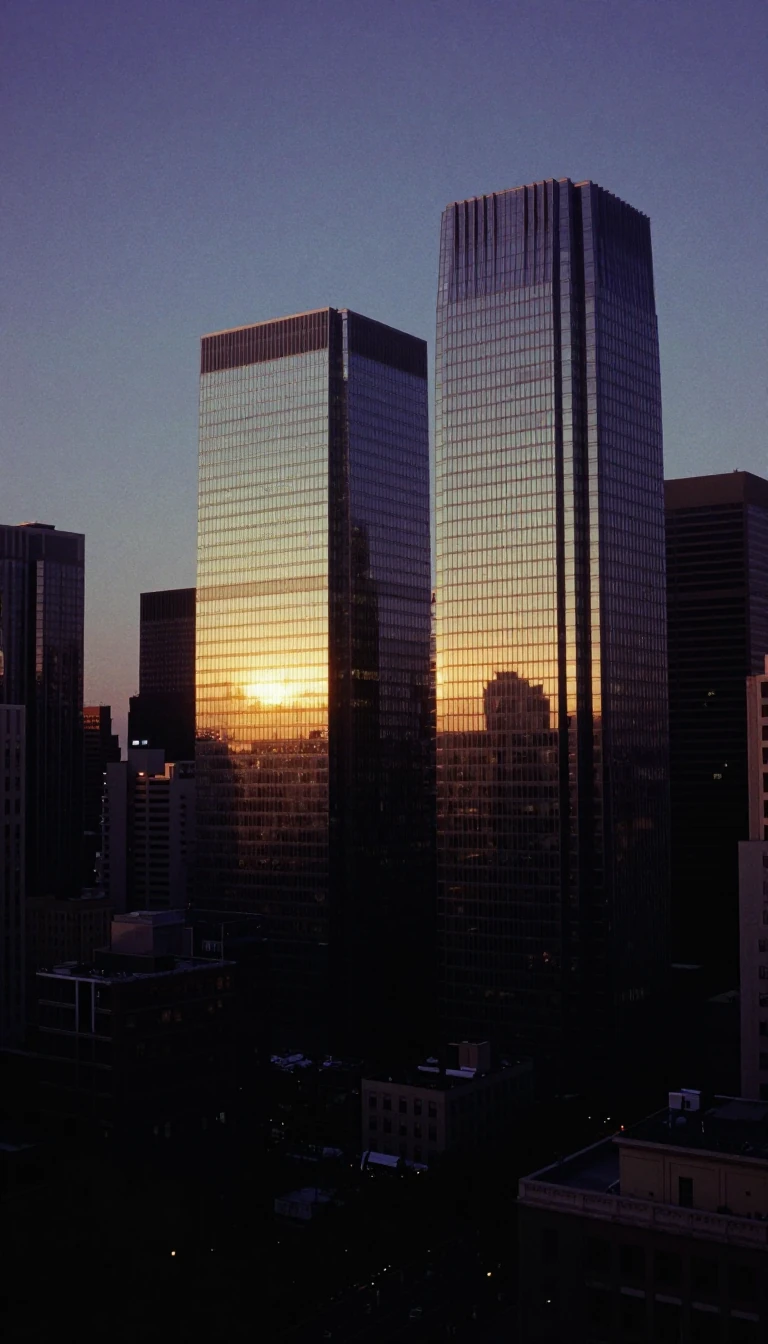
In short: Manhattan's Chinatown is not a static relic but a living, shifting neighborhood. From its origins as a small bachelor society in the 1870s to the rise of Little Fuzhou, this dense urban core has continuously adapted to new waves of migration, economic pressures, and the changing demographics of the Chinese diaspora.
The neighborhood traces its roots to the 1850s, when Ah Ken, a Cantonese businessman, opened a cigar shop on Park Row. By 1882, the year the Chinese Exclusion Act was enacted, the local population had grown to approximately 2,000 residents. For decades, the area remained a male-dominated enclave, as restrictive laws prevented families from settling until the act was repealed in 1943. During this era, the neighborhood was governed by Chinese associations, or tongs, which provided essential support for new arrivals while occasionally clashing in territorial disputes.
The post-1965 era brought significant transformation following the Immigration and Nationality Act. A surge of arrivals from Hong Kong and Guangdong province solidified the area's Cantonese identity, leading some to refer to the district as Little Hong Kong. However, the 1980s and 1990s introduced a distinct demographic shift: a large influx of Fuzhounese immigrants. Because these newcomers spoke a different dialect and faced cultural barriers, they established a separate sub-neighborhood east of the Bowery, which became known as Little Fuzhou.
Today, the landscape is shifting once more. Gentrification and rising property values have prompted many residents to relocate to newer, rapidly expanding Chinese communities in Brooklyn and Queens. While Manhattan's Chinatown remains a vital cultural anchor—housing institutions like the Museum of Chinese in America—its role as the primary destination for new immigrants has diminished. The neighborhood continues to evolve, reflecting the broader patterns of the Chinese diaspora in the United States, where satellite enclaves now often surpass the original Manhattan core in both population and growth.
Opens the Intellect+ feed with this card first. Swipe up for the next one.
Sources
- Summary by Intellect · source: Chinatown, Manhattan
- Also: Wikidata — Chinatown · CC0
To cite this card, link to https://intellectplus.co.uk/app/places-chinatown-manhattan.
How we source, check and correct cards: Editorial standards.
General information, not professional advice. Spotted an error? Flag the card or see corrections and complaints.
Intellect Plus is a visual educational discovery platform for exploring fascinating facts and ideas. Brain Food, Not Brain Rot. What is Intellect Plus?
Related
More in Countries and other regions · More in Countries & Cities · Latest · A–Z · All topics
