Ciskei was a short-lived South African homeland designed to enforce racial segregation and control.
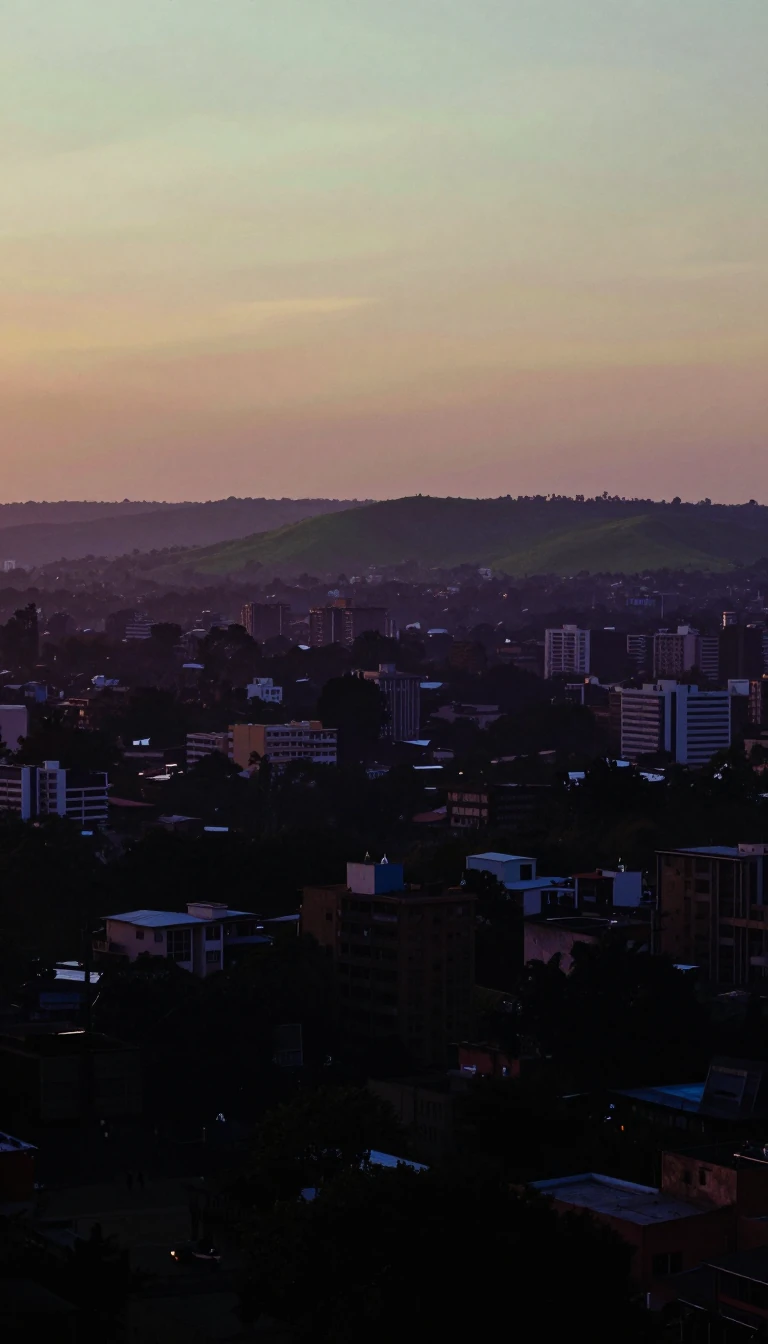
In short: Created as a Bantustan for Xhosa-speaking people, Ciskei existed as a nominally independent state within South Africa from 1981 to 1994. It served as a reservoir for cheap labor and a tool of the apartheid government, eventually collapsing under the weight of internal dissent and the transition to democracy.
Established as a self-governing territory in 1972, Ciskei was one of two homelands designated for the Xhosa people under South Africa's apartheid policies. Unlike the rural, chief-led Transkei, Ciskei was characterized by a patchwork of reserves and a more urbanized, educated populace that often resisted traditional control. The region was used by the apartheid state to forcibly relocate black residents from white-designated areas, leading to extreme population density and the creation of squalid resettlement camps. Research from Rhodes University in 1983 highlighted the humanitarian cost, revealing that 40% of children in one such camp suffered from wasting and 50% of children in the Thornhill camp died before reaching age five.
Economically, Ciskei operated as a de facto export processing zone. Influenced by a group of economists known as the 'supply siders of Ciskei,' the government attracted foreign investment from Taiwan and Hong Kong by offering generous incentives, including rent subsidies and the payment of employee wages, while simultaneously suppressing the labor movement. Despite these efforts, the homeland's international status remained unrecognized by any nation other than South Africa. Its political history was marked by instability, including the 1981 independence referendum, the 1990 military coup by Brigadier Oupa Gqozo, and the 1992 Bisho massacre, where 28 people were killed by the Ciskei Defence Force during protests demanding reincorporation.
The end of Ciskei arrived in 1994 as the legal foundations of apartheid were dismantled. Following a police mutiny and the resignation of Gqozo in March 1994, the territory was placed under the control of administrators appointed by the Transitional Executive Council. On 27 April 1994, following South Africa's first non-racial elections, Ciskei was formally reincorporated into the country. Today, its former territory is integrated into the Eastern Cape Province, forming parts of the Buffalo City, Chris Hani, and Amathole district municipalities. The legacy of its forced relocations persists, as the high population densities created during the homeland era remain a defining feature of the region.
Opens the Intellect+ feed with this card first. Swipe up for the next one.
Sources
- Summary by Intellect · source: Ciskei
- Also: Ciskei - Students | Britannica Kids | Homework Help
- Also: Wikidata — Ciskei · CC0
To cite this card, link to https://intellectplus.co.uk/app/places-ciskei.
How we source, check and correct cards: Editorial standards.
General information, not professional advice. Spotted an error? Flag the card or see corrections and complaints.
Intellect Plus is a visual educational discovery platform for exploring fascinating facts and ideas. Brain Food, Not Brain Rot. What is Intellect Plus?
Related
More in Africa · More in Countries & Cities · Latest · A–Z · All topics
