The One-Eyed Dragon who transformed a fishing village into a powerhouse of Japanese history.
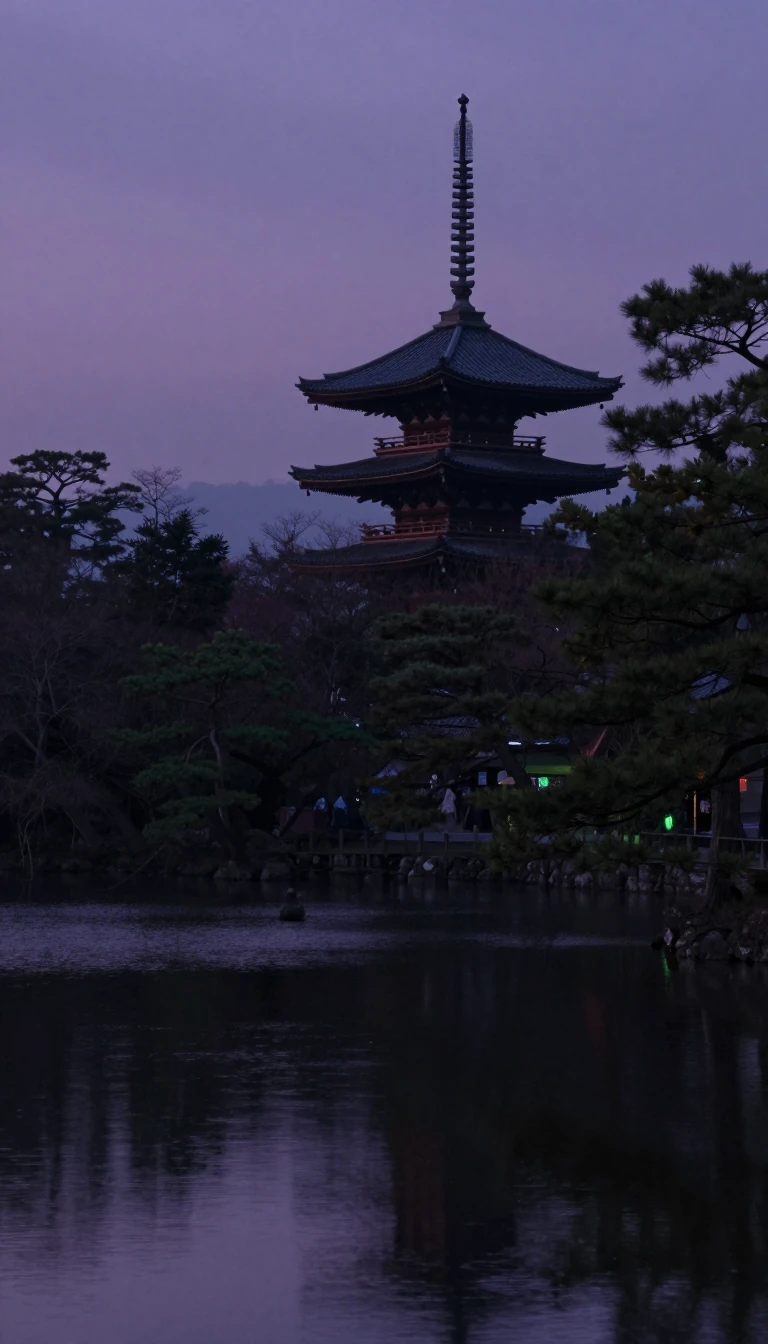
In short: Date Masamune was a legendary samurai leader known for his iconic crescent-moon helmet and missing eye. Beyond his fearsome reputation as a tactician, he founded the city of Sendai and orchestrated one of Japan's earliest diplomatic missions to Rome, leaving a legacy that still echoes in modern-day Spain.
Born in 1567, Date Masamune rose to prominence during the Azuchi-Momoyama period. Blinded in his right eye by smallpox as a child, he earned the moniker 'One-Eyed Dragon of Ōshu.' His early years were defined by intense regional warfare, including the tragic death of his father, Terumune, during a kidnapping incident in 1585. Masamune’s subsequent rise to power was marked by a series of brutal campaigns against rival clans, eventually securing his hegemony over southern Mutsu Province by 1589.
Masamune’s political survival required navigating the volatile transition of power under Toyotomi Hideyoshi and later Tokugawa Ieyasu. Despite his initial defiance of Hideyoshi, he was spared and eventually rewarded with the massive Sendai Domain. In 1604, he relocated his base to a small fishing village, transforming it into the prosperous city of Sendai. His administration was characterized by ambitious infrastructure projects and a unique, albeit cautious, openness to foreign trade and technology.
Perhaps his most remarkable endeavor was the 1613 expedition of the San Juan Bautista. Seeking to establish direct diplomatic ties with the Pope in Rome, Masamune dispatched a mission led by Hasekura Tsunenaga. The voyage reached the Philippines, Mexico, Spain, and Rome. While the subsequent Tokugawa ban on Christianity forced Masamune to suppress the faith within his own borders, the mission left a lasting mark; hundreds of descendants of the expedition members still reside in Spain today, bearing the surname 'Japón'.
Masamune died in 1636 at age 68, leaving behind a legacy of both martial prowess and cultural sophistication. He was a patron of the arts and a student of Zen, famously warning that benevolence without restraint could lead to weakness. His life bridged the chaotic era of the warring states and the relative stability of the Edo period, securing his place as one of the most influential figures in Japanese history.
Opens the Intellect+ feed with this card first. Swipe up for the next one.
Sources
- Summary by Intellect · source: Date Masamune
- Also: Wikidata — Date Masamune · CC0
- Also: Wikidata — Date Masamune · CC0
To cite this card, link to https://intellectplus.co.uk/app/places-date-masamune.
How we source, check and correct cards: Editorial standards.
General information, not professional advice. Spotted an error? Flag the card or see corrections and complaints.
Intellect Plus is a visual educational discovery platform for exploring fascinating facts and ideas. Brain Food, Not Brain Rot. What is Intellect Plus?
Related
More in Cities · More in Countries & Cities · Latest · A–Z · All topics
