In Metro Vancouver, the majority of the population is non-European
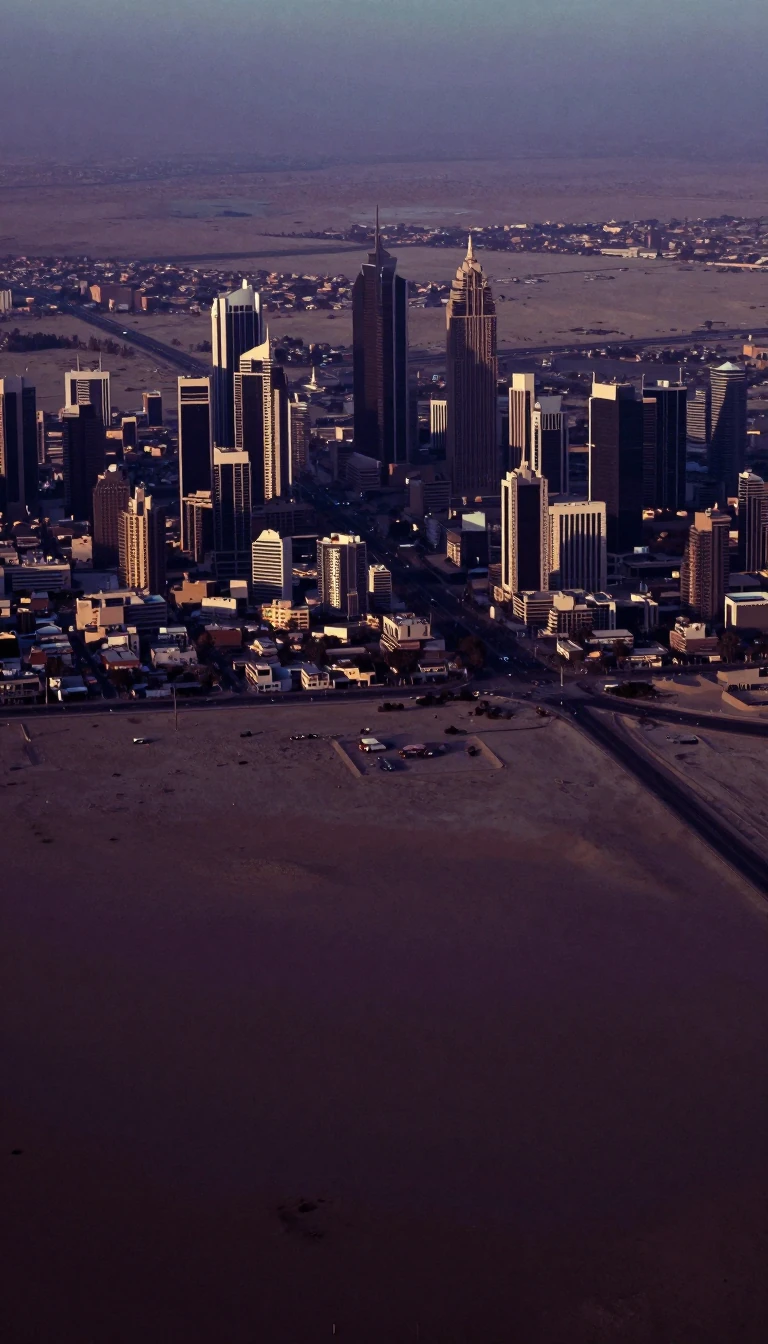
In short: While Canada is often viewed as predominantly European, Metro Vancouver has flipped the script. In this region, over half the residents identify with non-European ethnic groups, creating a unique demographic landscape where multiculturalism isn't just a policy—it is the primary social reality.
According to the 2021 census, the demographic shift in Metro Vancouver is stark: 54.5% of the population identifies as members of non-European ethnic groups, while 43.1% identify as European. Vancouver and its four neighbouring areas—Coquitlam, Richmond, Burnaby, and Surrey—form a region lacking a clear majority population. This contrasts with the broader Canadian population, which remains predominantly of European descent. The regional district is composed of 23 local authorities, including 21 municipalities. This area encompasses the same territory as the Vancouver census metropolitan area. Statistics Canada notes that Indigenous peoples are not considered a visible minority group in this specific context.
The region's diversity is rooted in distinct historical waves. While British and Irish immigrants formed the largest ethnic grouping from the 19th century onward, the 1980s saw a significant influx of people from Hong Kong. This period transformed the city's Chinese-speaking community into one of the most diverse in the world, featuring the second-largest Chinatown in North America. Other major groups include Indians, Germans, and a significant Korean population that grew by 3,000% between the mid-1960s and 1975. The first Chinese immigrants arrived during the 1858 Fraser Canyon Gold Rush. By 2014, the Korean community reached approximately 70,000 people. The region also hosts a notable Punjabi Market and a historic Greektown.
Social dynamics in the region also reflect this diversity. Greater Vancouver reports higher rates of interracial marriage than Toronto or Montreal, with 9.6% of married and common-law couples being interracial in 2011—double the Canadian average. Furthermore, the region shows less residential segregation of ethnic minorities than cities like Montreal, though some patterns of segregation persist in specific areas of the metropolitan district. In 2021, over 1.5 million people immigrated to the metro area between 2016 and 2021. The city also contains a significant Muslim minority of 4.2 percent. Additionally, 33.1 percent of the population identifies as Christian.
Opens the Intellect+ feed with this card first. Swipe up for the next one.
Sources
- Summary by Intellect · source: Demographics of Metro Vancouver
To cite this card, link to https://intellectplus.co.uk/app/places-demographics-of-metro-vancouver.
How we source, check and correct cards: Editorial standards.
General information, not professional advice. Spotted an error? Flag the card or see corrections and complaints.
Intellect Plus is a visual educational discovery platform for exploring fascinating facts and ideas. Brain Food, Not Brain Rot. What is Intellect Plus?
Related
More in Cities · More in Countries & Cities · Latest · A–Z · All topics
