This Nevada desert pool is a deep-earth skylight that reacts to global earthquakes
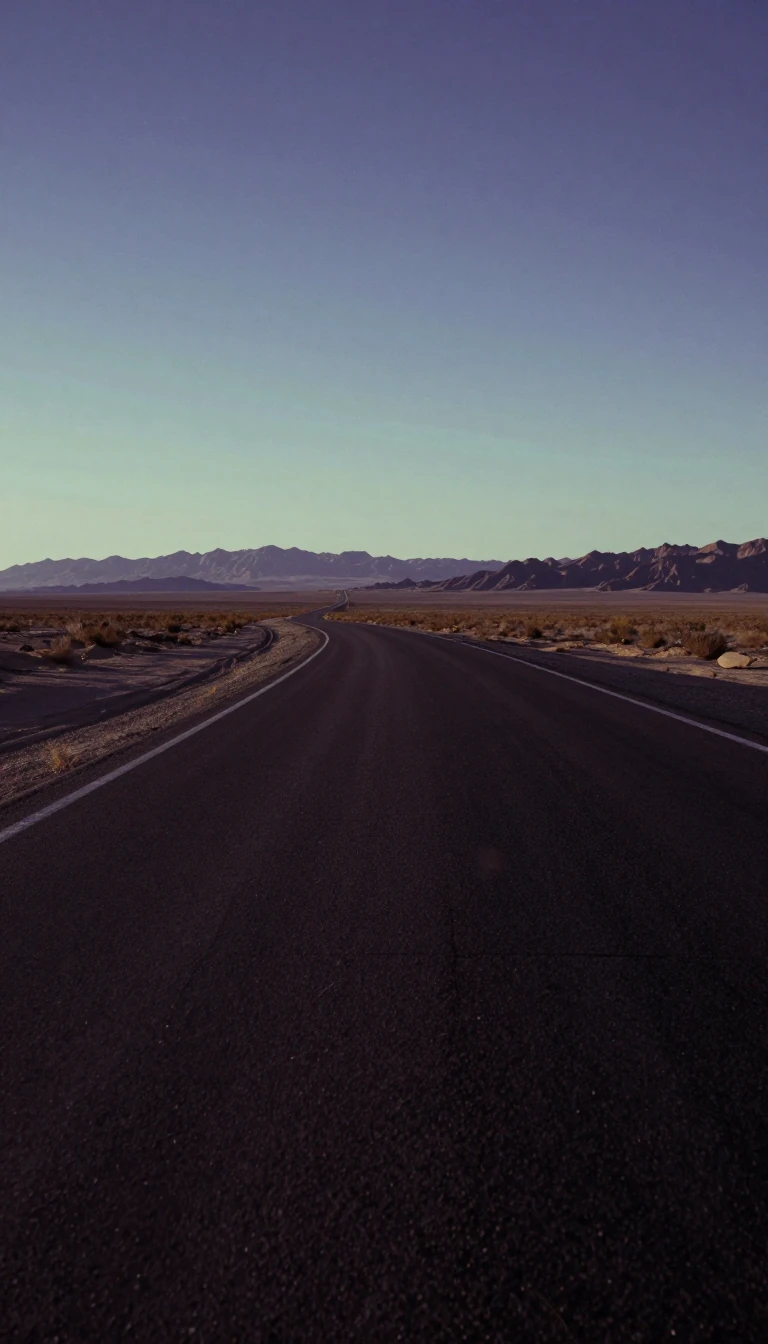
In short: Hidden within a limestone cavern in the Amargosa Desert, Devils Hole is a geothermal pool that serves as the only natural home for the critically endangered Devils Hole pupfish. This mysterious, water-filled abyss reaches depths exceeding 1,200 feet, acting as a sensitive indicator for seismic activity occurring thousands of miles away.
Devils Hole is a unique geological feature situated in Nye County, Nevada, within a detached unit of Death Valley National Park. Formed over 500,000 years ago, the site consists of a surface pool measuring roughly 22 meters by 3.5 meters that opens into an extensive, largely unmapped cavern system. The water maintains a constant temperature of 33 degrees Celsius, and the site is often described by researchers as a skylight into the regional water table.
The cavern's depth is immense, with explorations confirming it extends at least 380 meters below the surface. Divers have navigated through narrow passages like the funnel and Acree's Chasm, encountering complex features such as Brown's Room and a deep, current-heavy opening known as the ojo de agua. Because of its connection to vast underground water systems, the pool frequently experiences seiche activity—undulating water movements triggered by major earthquakes in places like Japan, Chile, and Mexico.
Beyond its geological intrigue, the site is biologically significant as the sole habitat for the Devils Hole pupfish. This vertebrate species, which may occupy the smallest range of any such animal on Earth, has existed for about 60,000 years. Despite its resilience in hot, oxygen-depleted water, the population has dwindled to just 263 individuals as of 2022. Scientists are currently investigating potential threats to their survival, including the impact of non-indigenous diving beetles on pupfish eggs.
Human access to the site is strictly regulated to protect this fragile ecosystem. Following past tragedies involving divers and the subsequent implementation of stringent decontamination protocols for research equipment, most underwater exploration has ceased. Today, the site remains a protected sanctuary, offering paleoclimatologists a rare window into environmental history through the study of calcite mineral deposits that have accumulated within the cavern over millennia.
Opens the Intellect+ feed with this card first. Swipe up for the next one.
Sources
- Summary by Intellect · source: Devils Hole
- Also: Wikidata — Devils Hole · CC0
- Also: Wikidata — Devils Hole · CC0
To cite this card, link to https://intellectplus.co.uk/app/places-devils-hole.
How we source, check and correct cards: Editorial standards.
General information, not professional advice. Spotted an error? Flag the card or see corrections and complaints.
Intellect Plus is a visual educational discovery platform for exploring fascinating facts and ideas. Brain Food, Not Brain Rot. What is Intellect Plus?
Related
More in Vegetation features · More in Countries & Cities · Latest · A–Z · All topics
