Is a docudrama a record of the past or a performance of memory?
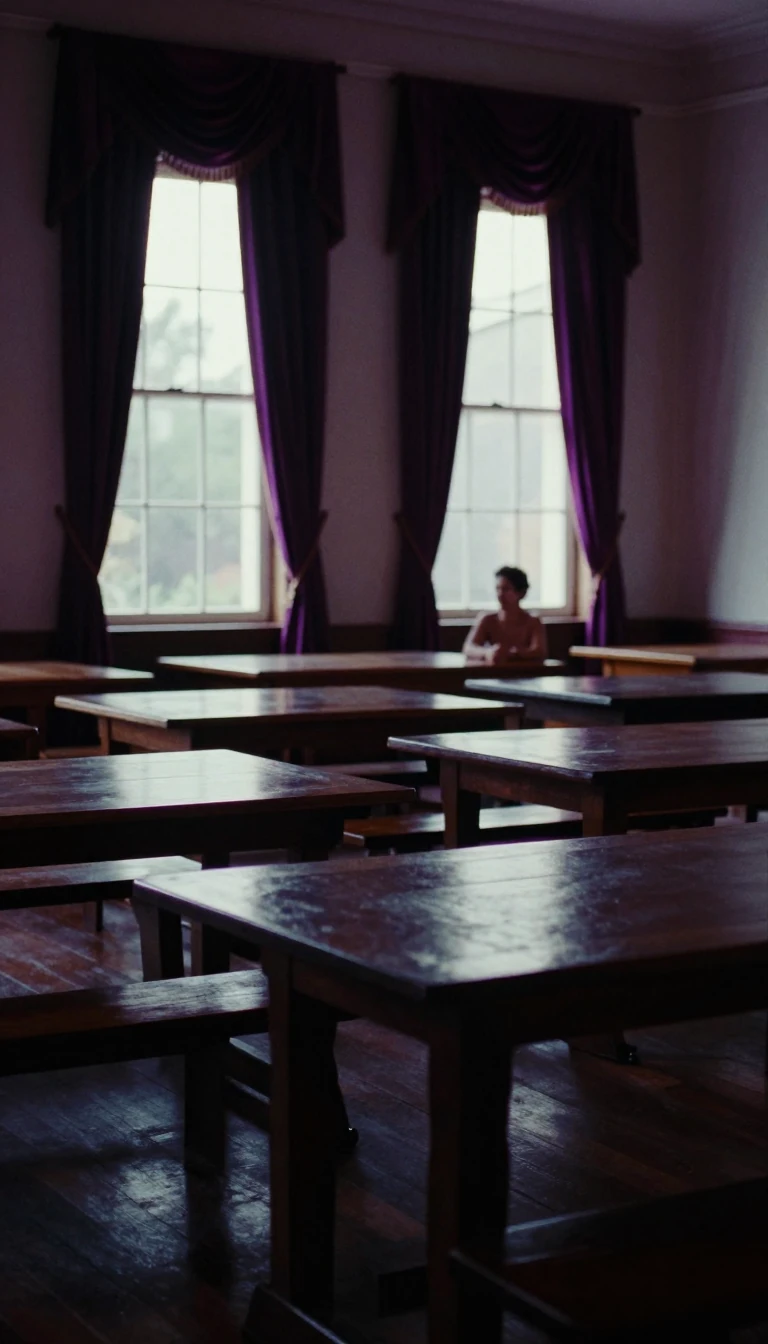
In short: Docudrama blurs the line between historical fact and dramatic invention. By reenacting real events, these films do more than just inform; they shape our collective memory. But where does journalism end and storytelling begin? Understanding this hybrid genre reveals how we construct our shared understanding of history on screen.
Docudrama is a hybrid genre that dramatizes actual events, often filling gaps in the historical record with creative license. While it strives for historical fidelity, it is distinct from historical fiction, which uses history merely as a backdrop for invented characters. Instead, docudrama operates on a spectrum, ranging from journalistic reconstruction to imaginative drama. Filmmakers may use actual locations to ground their narratives, yet the final product remains a subjective interpretation, heavily influenced by the creator's own perspective and production constraints.
The term itself was coined in 1957 by Philip C. Lewis, a former vaudevillian who used it to describe a production about education. However, the genre's roots trace back to the semidocumentary style popularized in the 1940s by producer Louis de Rochemont at 20th Century Fox. Films like The House on 92nd Street and He Walked by Night brought a newsreel aesthetic to cinema, a style that eventually inspired Jack Webb to create the iconic series Dragnet. By the late 20th century, the influence of New Journalism further encouraged authors to apply literary techniques to factual material, as seen in Truman Capote's In Cold Blood.
Scholars like Steven N. Lipkin argue that docudrama functions as a performance through recollection, actively shaping how we perceive the past. Because it blends fact and fiction, it resists a single, tidy definition. Whether it is investigative journalism or dramatic storytelling, the genre remains a powerful tool for representation. It does not promise total accuracy, but rather offers a way to flesh out bare historical facts into compelling narratives, ultimately turning the past into a persuasive practice.
Opens the Intellect+ feed with this card first. Swipe up for the next one.
Sources
To cite this card, link to https://intellectplus.co.uk/app/places-docudrama.
How we source, check and correct cards: Editorial standards.
General information, not professional advice. Spotted an error? Flag the card or see corrections and complaints.
Intellect Plus is a visual educational discovery platform for exploring fascinating facts and ideas. Brain Food, Not Brain Rot. What is Intellect Plus?
Related
More in UK & Ireland: places · More in Countries & Cities · Latest · A–Z · All topics
