The silver-scaled tree that mimics olives and invades continents
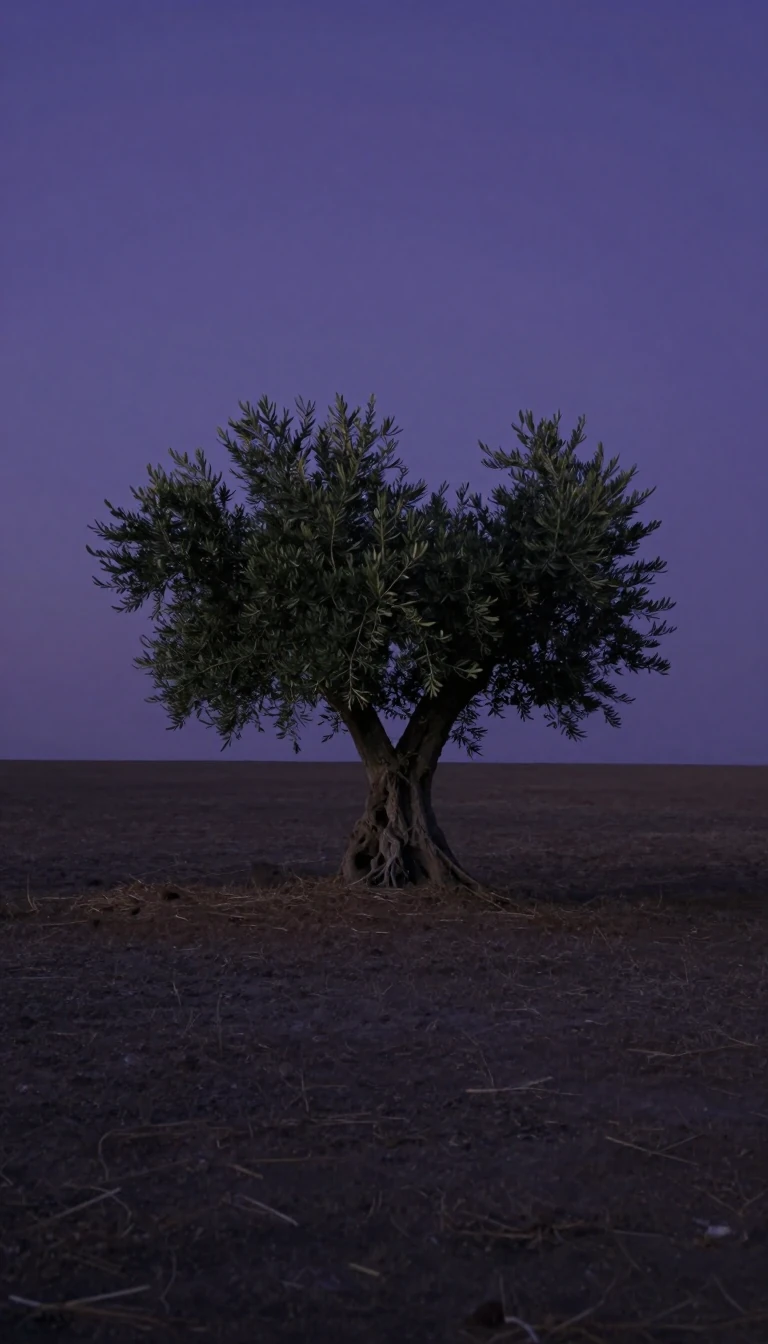
In short: It looks like an olive, smells like a dream, and behaves like a conqueror. From the high altitudes of the Himalayas to the riparian zones of North America, the Russian olive has mastered the art of thriving where others perish, using a unique chemistry and a ruthless growth strategy.
Native to the Irano-Turanian region of Asia, Elaeagnus angustifolia—also known as the Russian olive or silver berry—is a hardy, thorny tree reaching up to 11 meters in height. While it shares a visual resemblance to the true olive (Olea europaea), it belongs to an entirely different botanical family. Its most striking physical feature is a dense covering of silvery to rusty scales that coat its stems, buds, and leaves. These scales, combined with its ability to tolerate high salinity, allow it to colonize bare mineral substrates and poor, eroded soils that would be inhospitable to most vegetation.
The species is a master of biological adaptation. In its native range, which stretches across Afghanistan, Iran, Kazakhstan, and China, it serves as a vital host for alpine moths and a food source for various birds. However, its introduction to North America by the late 19th century transformed it into a formidable invasive species. It matures in just a few years and possesses a quick-spreading root system that can outcompete native plants. In the United States, it is particularly notorious for invading riparian habitats where cottonwood canopies have died, effectively hijacking the ecosystem.
Beyond its ecological impact, the Russian olive holds deep cultural and medicinal significance. In Iran, the dried fruit powder, known as senjed, is mixed with milk to treat rheumatoid arthritis, with some evidence suggesting its aqueous extract may reduce osteoarthritis symptoms with an efficacy comparable to acetaminophen or ibuprofen. It is also a staple of the Nowruz spring celebration, appearing in traditional table settings and fruit salads. Even in modern urban planning, its physical traits are utilized strategically; landscapers sometimes plant it specifically to discourage people from resting or sleeping in certain areas due to its thorns.
Opens the Intellect+ feed with this card first. Swipe up for the next one.
Sources
- Summary by Intellect · source: Elaeagnus angustifolia
- Also: Wikidata — Elaeagnus angustifolia · CC0
- Also: Wikidata — Elaeagnus angustifolia var. orientalis · CC0
To cite this card, link to https://intellectplus.co.uk/app/places-elaeagnus-angustifolia.
How we source, check and correct cards: Editorial standards.
General information, not professional advice. Spotted an error? Flag the card or see corrections and complaints.
Intellect Plus is a visual educational discovery platform for exploring fascinating facts and ideas. Brain Food, Not Brain Rot. What is Intellect Plus?
Related
More in Historical cities · More in Countries & Cities · Latest · A–Z · All topics
