The Ethiopian fortress that broke a centuries-old tradition of nomadic imperial rule
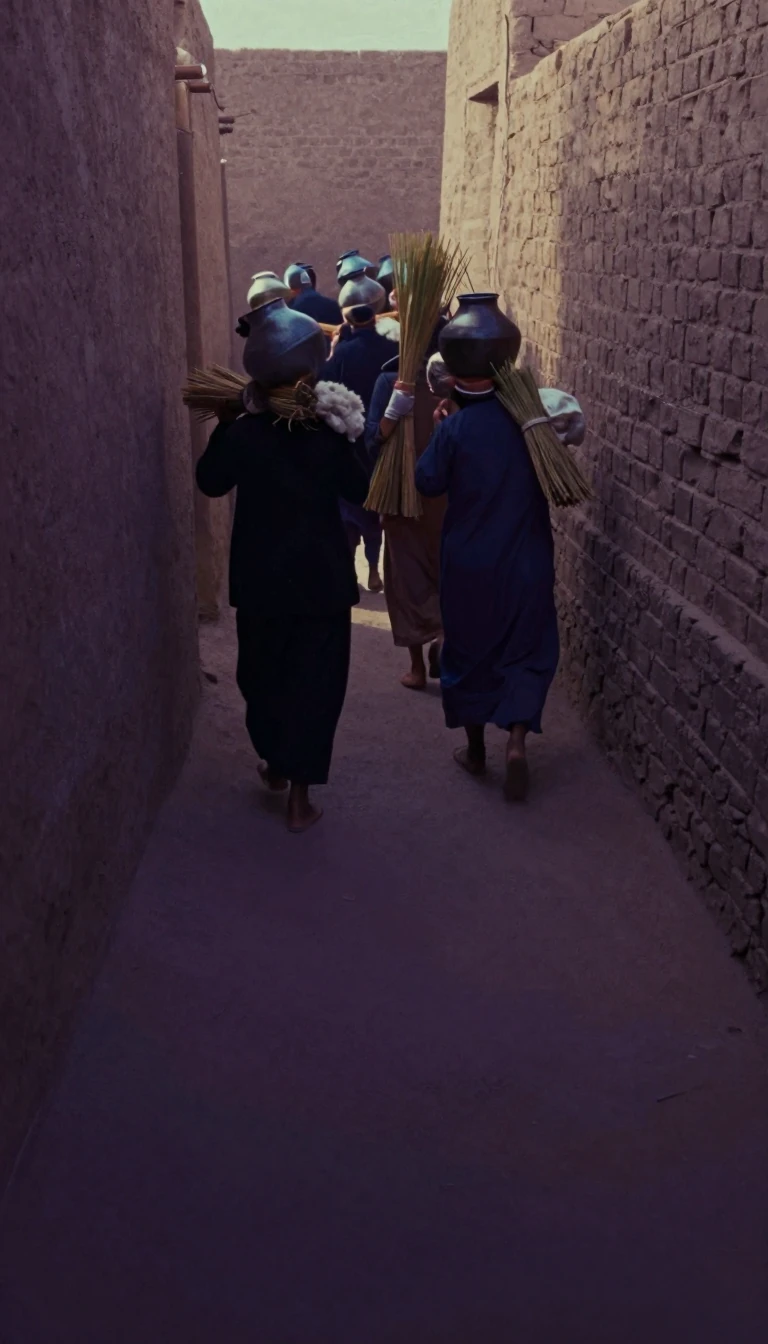
In short: For generations, Ethiopian emperors lived in tents, constantly traveling to manage their lands. In the 17th century, Emperor Fasilides abandoned this nomadic lifestyle to establish a permanent capital in Gondar. He built the Fasil Ghebbi, a massive stone fortress that became the enduring heart of the Ethiopian empire.
The Fasil Ghebbi, meaning enclosure or compound in Amharic, represents a radical shift in Ethiopian governance. Before Fasilides founded Gondar as his capital, rulers operated from temporary camps known as katama. By constructing a permanent, fortified residence, Fasilides transformed the nature of imperial power. The site, which spans roughly 70,000 square metres, is enclosed by a 900-metre curtain wall featuring twelve distinct gates, each historically serving specific functions ranging from judicial proceedings to ceremonial access.
The architecture of the complex is a striking synthesis of global influences, blending Portuguese, Hindu, and Arab design elements. Construction relied on the expertise of diverse figures, including an Indian architect named Abdal Kerim, who designed Fasilides' original castle, and the Ethiopian builder Walda Giyorgis, credited with later palaces. Much of the physical labor was performed by the local Beta Israel community, specifically the Kayla clan, who were skilled as masons and carpenters. The structures themselves were built from brown basalt, accented with local wine-coloured tuff.
Over time, the compound expanded as successive rulers, such as Yohannes I, Iyasu I, and Dawit III, added their own palaces, libraries, and churches. The site also includes the Fasilides Baths and the Kuskam complex of Empress Mentewab. Despite suffering damage during various historical conflicts, the fortress remains a testament to the civilization that flourished north of Lake Tana. Recognized for its unique architectural legacy, the Fasil Ghebbi was designated a UNESCO World Heritage Site in 1979, with ongoing preservation efforts continuing into 2025.
Opens the Intellect+ feed with this card first. Swipe up for the next one.
Sources
- Summary by Intellect · source: Fasil Ghebbi
- Also: Wikidata — Fasil Ghebbi · CC0
To cite this card, link to https://intellectplus.co.uk/app/places-fasil-ghebbi.
How we source, check and correct cards: Editorial standards.
General information, not professional advice. Spotted an error? Flag the card or see corrections and complaints.
Intellect Plus is a visual educational discovery platform for exploring fascinating facts and ideas. Brain Food, Not Brain Rot. What is Intellect Plus?
Related
More in World Heritage Sites · More in Countries & Cities · Latest · A–Z · All topics
