A jagged, Alpine-sized mountain range lies hidden beneath two miles of Antarctic ice
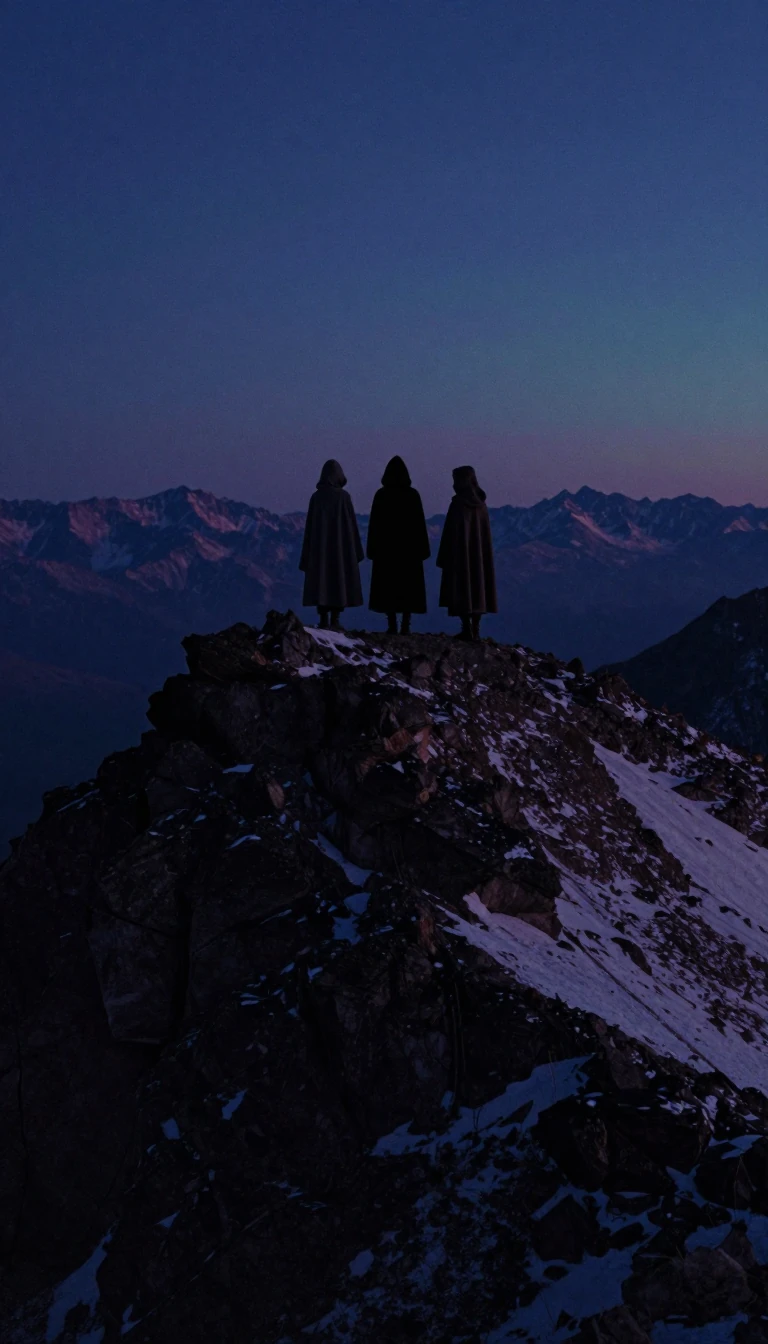
In short: Deep under the frozen expanse of East Antarctica sits the Gamburtsev Mountain Range, a massive, jagged landscape discovered in 1958. Though buried by over 600 metres of ice, these peaks rival the European Alps in size and structure, challenging our understanding of how ancient mountain ranges survive beneath massive ice sheets.
The Gamburtsev range was first identified by the 3rd Soviet Antarctic Expedition in 1958, named after geophysicist Grigoriy A. Gamburtsev. For decades, the range remained a mystery due to its extreme isolation beneath Dome A. It was not until the 2007–2009 International Polar Year that the multinational AGAP project—involving teams from seven nations including the UK, US, and China—deployed aircraft with ice-penetrating radar to map the terrain. By flying 120,000 kilometres, researchers revealed a landscape of sharp peaks and deep valleys remarkably similar to the Alps.
Geological analysis suggests the range is ancient, with origins dating back roughly one billion years to the formation of the supercontinent Rodinia. Tectonic collisions created a deep, cold root extending into the Earth's mantle. Between 250 and 100 million years ago, rifting events warmed this root, providing the buoyancy necessary for the massif to rise again. Subsequent erosion carved deep valleys, further lightening the system and contributing to its uplift. Remarkably, liquid water has been detected in valleys three kilometres beneath the ice surface, despite temperatures at the base camps hovering around −30 °C.
The formation of the East Antarctic Ice Sheet, which began around 35 million years ago, effectively entombed the mountains. This preservation is a subject of intense scientific interest, as the ice prevented the erosion that typically levels such ancient structures. While researchers have successfully mapped the range and confirmed its tectonic origins, they have yet to collect physical rock samples. Scientists like Dr. Robin Bell note that while we possess samples from the moon, the Gamburtsevs remain untouched, leaving the precise timing of their rejuvenation as a primary goal for future drilling expeditions.
Opens the Intellect+ feed with this card first. Swipe up for the next one.
Sources
- Summary by Intellect · source: Gamburtsev Mountain Range
- Also: Wikidata — Gamburtsev Mountain Range · CC0
To cite this card, link to https://intellectplus.co.uk/app/places-gamburtsev-mountain-range.
How we source, check and correct cards: Editorial standards.
General information, not professional advice. Spotted an error? Flag the card or see corrections and complaints.
Intellect Plus is a visual educational discovery platform for exploring fascinating facts and ideas. Brain Food, Not Brain Rot. What is Intellect Plus?
Related
More in Land relief · More in Countries & Cities · Latest · A–Z · All topics
