How a German Chancellor redefined national power and sparked a global political firestorm
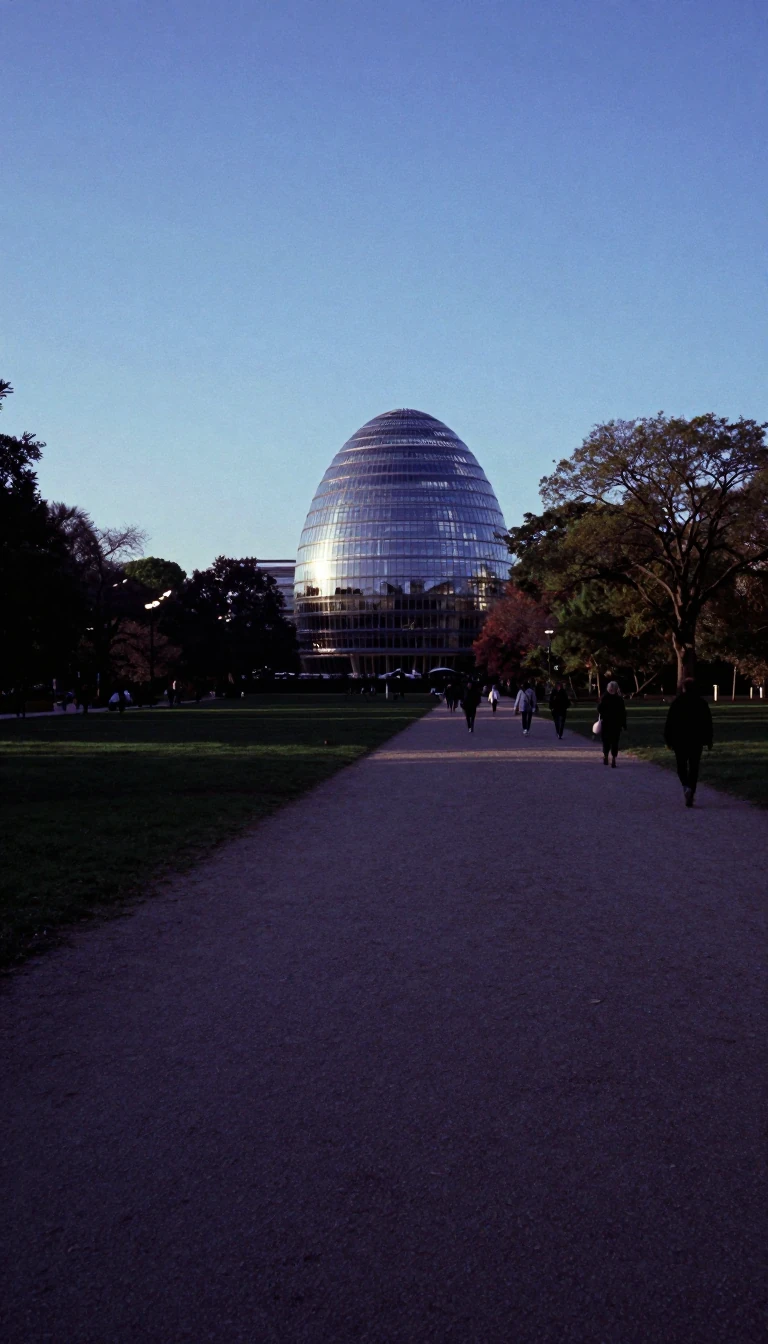
In short: Gerhard Schröder governed Germany from 1998 to 2005, navigating the transition to a new capital and the complexities of post-Cold War diplomacy. His tenure was marked by controversial labor reforms, a defiant stance against the 2003 Iraq invasion, and deep, enduring ties to Russian energy interests that continue to resonate.
Born in 1944, Gerhard Schröder rose from humble beginnings as a hardware shop apprentice to become the Chancellor of Germany in 1998. His political career was defined by a pragmatic, ambitious style that saw him move the seat of government from Bonn to Berlin. As a leader, he championed the Agenda 2010 reforms, which sought to modernize the German labor market and welfare system, though these policies proved deeply unpopular and contributed to significant electoral friction within his own party.
Schröder’s foreign policy represented a distinct shift in German post-war identity. He famously declared Germany a great power that would pursue its national interests, a stance exemplified by his refusal to join the 2003 invasion of Iraq. This decision, while popular with the German public during his 2002 re-election campaign, caused significant diplomatic strain with the United States. His approach to international relations also included a strategic focus on Russia, which he sought to cultivate as a partner, eventually leading to his post-chancellorship roles in Russian state-owned energy firms like Nord Stream AG and Rosneft.
The legacy of his administration remains a subject of intense debate. While he successfully navigated complex European fiscal negotiations and expanded Germany's role in international military operations, his later professional associations with the Russian government drew severe criticism following the invasion of Ukraine. Legal proceedings and calls for sanctions have marked his recent years, highlighting the enduring controversy surrounding his political and business choices. Despite these challenges, he remains a pivotal figure in modern German history, having bridged the gap between the traditional social democratic past and a more assertive, globalized future.
Opens the Intellect+ feed with this card first. Swipe up for the next one.
Sources
- Summary by Intellect · source: Gerhard Schröder
- Also: Wikidata — Gerhard Schröder · CC0
- Also: Wikidata — Gerhard Schröder · CC0
To cite this card, link to https://intellectplus.co.uk/app/places-gerhard-schr-der.
How we source, check and correct cards: Editorial standards.
General information, not professional advice. Spotted an error? Flag the card or see corrections and complaints.
Intellect Plus is a visual educational discovery platform for exploring fascinating facts and ideas. Brain Food, Not Brain Rot. What is Intellect Plus?
Related
More in Cities · More in Countries & Cities · Latest · A–Z · All topics
