The battleship that proved even 'impregnable' naval bases could fall
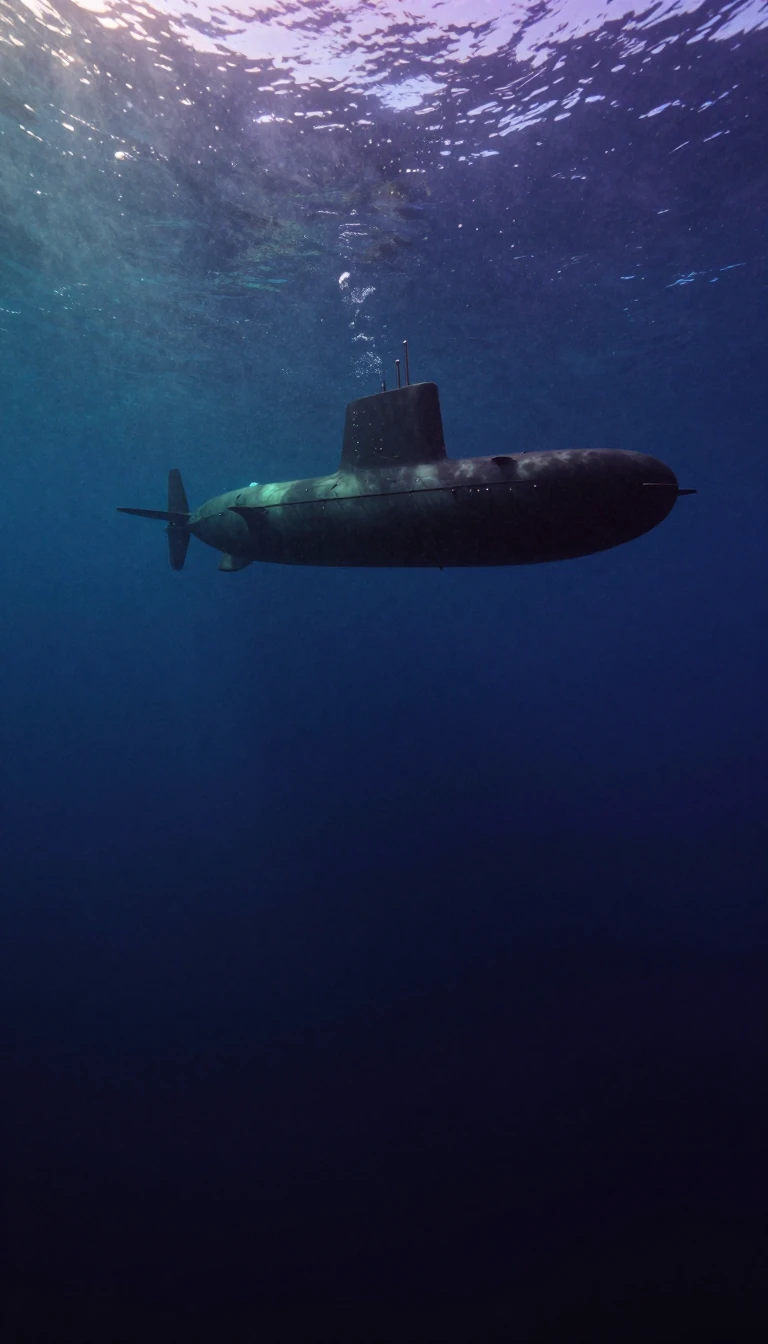
In short: In 1939, the Royal Navy believed the Scottish base at Scapa Flow was untouchable by submarines. That confidence shattered in a single night when a German U-boat struck the HMS Royal Oak. This raid didn't just sink a ship; it forced a total redesign of British coastal security.
Launched in 1916, the HMS Royal Oak was a Revenge-class battleship designed as a slower, more heavily armored alternative to the Queen Elizabeth-class. Despite numerous refits between 1922 and 1936—including the addition of anti-torpedo bulges that widened her beam to 102 feet 1 inch—she struggled with a fundamental lack of speed. During her 1916 sea trials, she reached a top speed of only 22 knots, falling short of her 23-knot design goal.
The ship's fate was sealed on October 14, 1939, while anchored at Scapa Flow. The German submarine U-47 launched a torpedo attack that killed 835 of the 1,234 men and boys on board. The strike was a profound psychological blow to the British, as it proved the German navy could strike deep into home waters. This event turned U-boat commander Günther Prien into a celebrity and led to the immediate construction of the Churchill Barriers to protect the harbor.
Today, the Royal Oak remains a designated war grave, lying almost upside down 100 feet underwater. While the loss of this outdated vessel did not significantly shift the numerical balance of the war, it remains a somber reminder of the transition in naval warfare. The wreck is protected by the Protection of Military Remains Act 1986, with the Royal Navy still conducting annual ceremonies to honor those lost.
The ship's history is marked by technical evolution: she was originally intended to use coal but was converted to oil-fired boilers in 1914. Her armament grew from eight 15-inch guns to include various anti-aircraft mounts and even flying-off platforms for aircraft before they were replaced by a catapult in 1934. Her career spanned 25 years, from the Battle of Jutland to her final resting place. Bearing the name of the Royal Oak, a ship where Charles II sought refuge after losing the 1651 Battle of Worcester, this craft became the eighth to use that title.
Opens the Intellect+ feed with this card first. Swipe up for the next one.
Sources
- Summary by Intellect · source: HMS Royal Oak (08)
- Also: Wikidata — HMS Royal Oak · CC0
To cite this card, link to https://intellectplus.co.uk/app/places-hms-royal-oak-08.
How we source, check and correct cards: Editorial standards.
General information, not professional advice. Spotted an error? Flag the card or see corrections and complaints.
Intellect Plus is a visual educational discovery platform for exploring fascinating facts and ideas. Brain Food, Not Brain Rot. What is Intellect Plus?
Related
More in Islands · More in Countries & Cities · Latest · A–Z · All topics
