Ibaraki Prefecture: The Industrial Powerhouse Shaping Japan's Past and Future
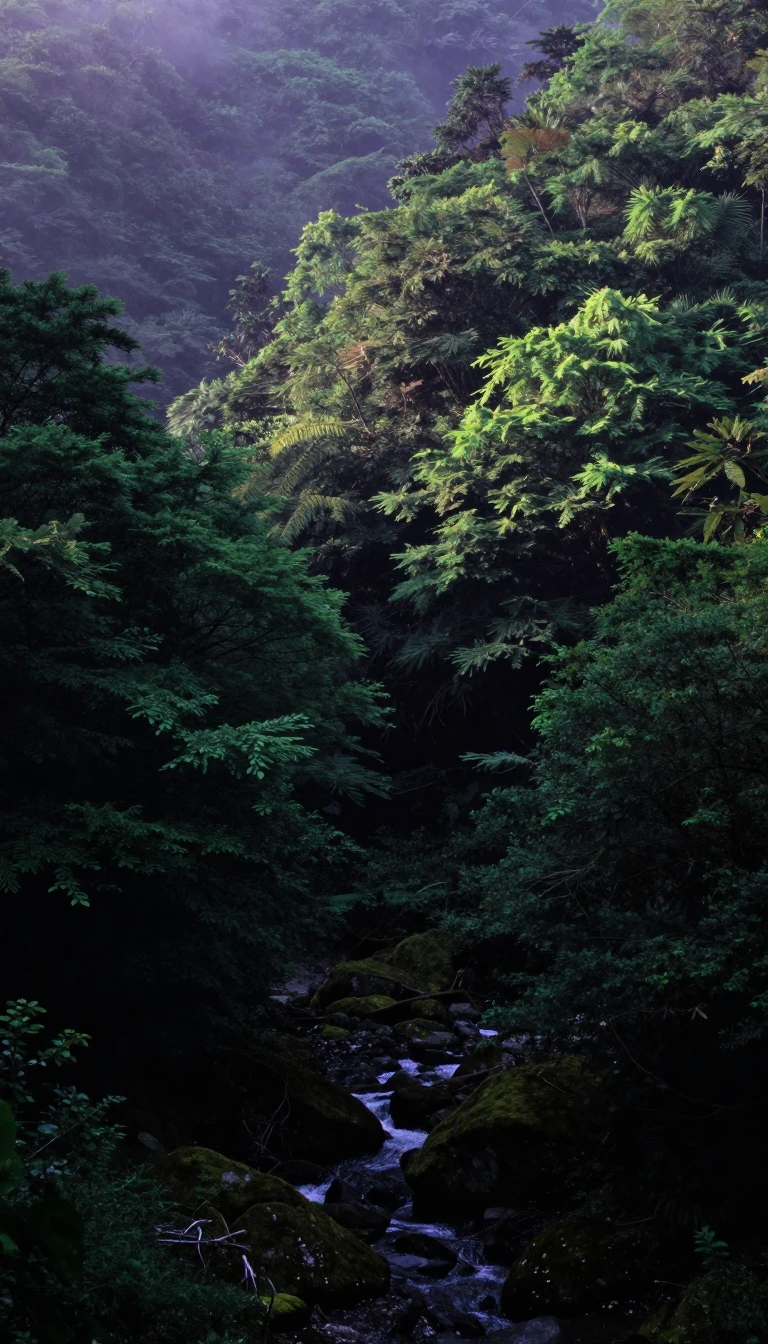
In short: Located just northeast of Tokyo, Ibaraki is a vital engine of Japanese industry and agriculture. From the birthplace of Hitachi to the cutting-edge research hubs of Tsukuba, this region blends ancient traditions, such as the martial art of Aikido, with the high-tech innovation powering the nation's modern economy.
Ibaraki Prefecture, situated in the Kantō region of Honshu, is a landscape defined by both its geography and its profound historical influence. Covering 6,097.19 square kilometres, the prefecture is largely a flat plain, home to Lake Kasumigaura—Japan's second-largest lake—and the Tone River, which serves as a major drainage basin. The northern reaches rise into the Tsukuba Mountains, where Mount Yamizo peaks at 1,022 metres. This terrain has supported human habitation since the Japanese Paleolithic, with evidence of early stone tools found beneath volcanic ash layers dating back about 24,000 years.
Historically known as Hitachi Province, the region became a seat of significant political and intellectual power during the Edo period. The Mito Domain was governed by the Mito Tokugawa family, one of the three prestigious houses descended from Tokugawa Ieyasu. In 1657, Tokugawa Mitsukuni commissioned the Dai Nihonshi, a monumental history of Japan, which sparked the Mitogaku intellectual movement. This legacy of scholarship persists today in Tsukuba, which hosts 32 research and education institutes specializing in fields ranging from nanotechnology to space exploration.
Today, Ibaraki is a critical industrial and agricultural hub. It serves as a primary food supplier for the Tokyo metropolitan area, producing 25% of Japan's bell peppers and Chinese cabbage as of 2011. Its industrial backbone is equally robust, featuring over 1,300 companies in the Hitachi area and a massive materials sector in Kashima. Beyond industry, the prefecture remains a cultural touchstone, housing Kairaku-en—one of Japan's three great gardens—and the Aiki Shrine, established by Morihei Ueshiba, the founder of Aikido, who spent his final years in the town of Iwama.
The prefecture's modern identity is inseparable from its strategic engineering. In the 17th century, the Tokugawa shogunate diverted the Tone River to protect Edo from flooding, fundamentally altering the region's hydrology. This legacy of large-scale infrastructure continues with modern facilities like the J-PARC proton accelerator, cementing Ibaraki's status as a nexus where Japan's historical roots and future-facing technological ambitions converge.
Opens the Intellect+ feed with this card first. Swipe up for the next one.
Sources
- Summary by Intellect · source: Ibaraki Prefecture
- Also: Wikidata — Ibaraki Prefecture · CC0
- Also: Wikidata — flag of Ibaraki prefecture · CC0
To cite this card, link to https://intellectplus.co.uk/app/places-ibaraki-prefecture.
How we source, check and correct cards: Editorial standards.
General information, not professional advice. Spotted an error? Flag the card or see corrections and complaints.
Intellect Plus is a visual educational discovery platform for exploring fascinating facts and ideas. Brain Food, Not Brain Rot. What is Intellect Plus?
Related
More in Regions and country subdivisions · More in Countries & Cities · Latest · A–Z · All topics
