Why Allied sailors renamed a stretch of the Solomon Islands to Ironbottom Sound
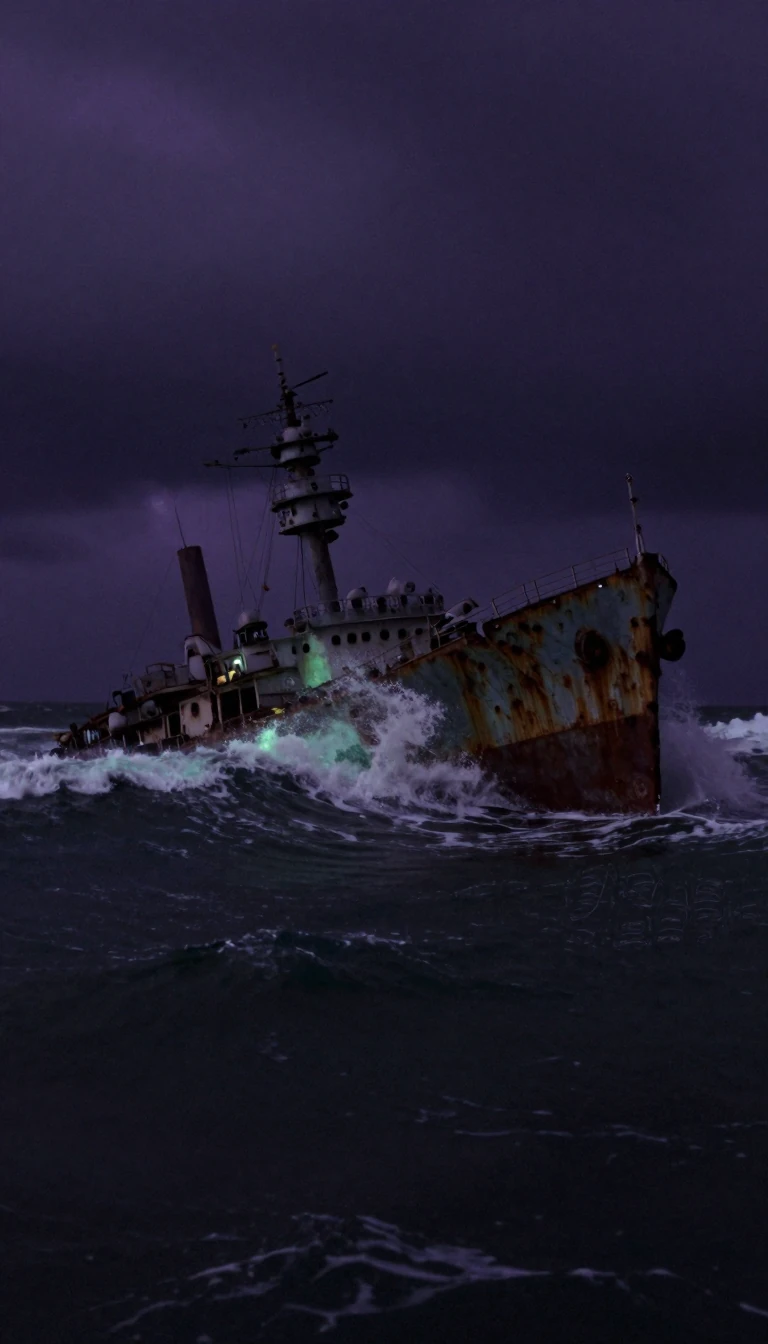
In short: During the intense naval clashes of the Guadalcanal Campaign, the waters between Guadalcanal, Savo Island, and the Nggela Islands became a final resting place for over 50 ships and numerous aircraft. This grim reality led Allied sailors to abandon the name Savo Sound for the far more descriptive Ironbottom Sound.
The name Ironbottom Sound emerged as a direct consequence of the brutal naval warfare that defined the Guadalcanal Campaign between 1942 and 1943. Situated at the southern end of The Slot, this body of water served as the stage for a series of high-stakes engagements, including the Battle of Cape Esperance and the two Naval Battles of Guadalcanal. The sheer density of wreckage—comprising over 50 vessels—transformed the seabed into a massive, submerged graveyard of military hardware.
The diversity of the wrecks reflects the varied nature of the conflict. The sound holds everything from heavy cruisers like the Astoria, Quincy, and Vincennes to specialized military transports such as the Hirokawa Maru and the Kinugawa Maru. Some vessels met their end through surface combat, while others were claimed by aerial torpedoes, dive-bombing attacks, or mines. Submarines, including the Type J1 I-3 and I-1, also found their final resting places here, often after being hunted by PT boats or rammed by anti-submarine corvettes.
Beyond its role as a maritime cemetery, the sound became a site for experimental military history. In September and October 1944, the beached wreck of the troop transport Yamatsuki Maru served as a target for the TDR-1 drone, a top-secret project that tested America's first guided missile technology. Today, the legacy of the sound is maintained through solemn tradition; every year on the anniversary of the battle, a United States ship enters these waters to drop a wreath, honoring the thousands of lives lost during the campaign.
The site remains a poignant reminder of the human and material cost of the Pacific War. While the name Ironbottom Sound serves as a stark historical marker, the physical reality beneath the waves continues to be studied and remembered as a testament to the intensity of the 1942–1943 naval actions.
Opens the Intellect+ feed with this card first. Swipe up for the next one.
Sources
- Summary by Intellect · source: Ironbottom Sound
- Also: Wikidata — Ironbottom Sound · CC0
- Also: Wikidata — Ironbottom Sound · CC0
To cite this card, link to https://intellectplus.co.uk/app/places-ironbottom-sound.
How we source, check and correct cards: Editorial standards.
General information, not professional advice. Spotted an error? Flag the card or see corrections and complaints.
Intellect Plus is a visual educational discovery platform for exploring fascinating facts and ideas. Brain Food, Not Brain Rot. What is Intellect Plus?
Related
More in Bodies of water · More in Countries & Cities · Latest · A–Z · All topics
