The legendary peaks that were once considered an unknown, uncharted country
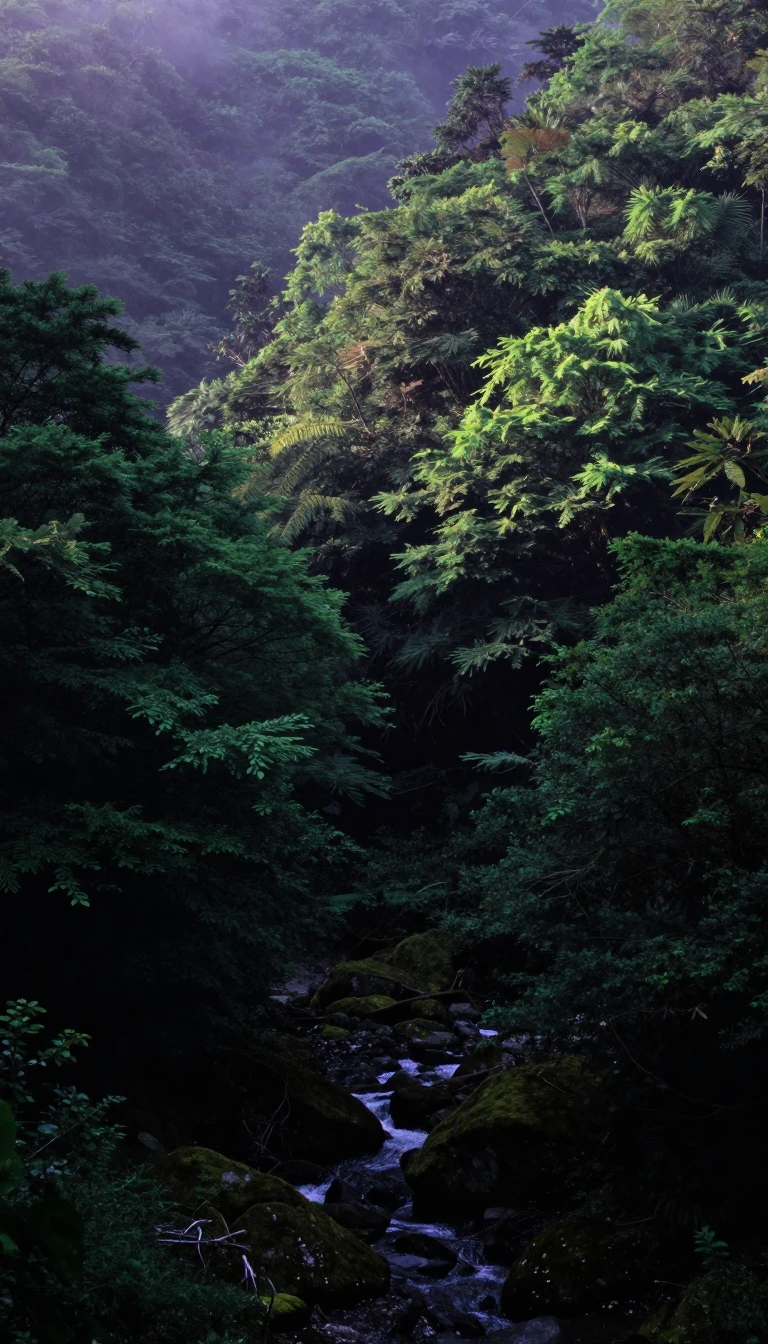
In short: Long before modern ropeways, the Japanese Alps were a realm of spiritual pilgrimage and military feats. While English explorers later gave them their name, these mountains held deep secrets, from ancient ascetic practices to the surprising discovery of active glaciers hidden in their heights.
The Japanese Alps, a series of ranges bisecting Honshu, comprise the Hida, Kiso, and Akaishi mountains. While the name was coined by English archaeologist William Gowland in the 1860s, the landscape has a much older history. For centuries, the mountains served as a site for Buddhist monks and Shugenja practitioners. In fact, when Mount Tsurugi was climbed in 1907 by Yoshitaro Shibasaki and others, researchers found metal ornaments from the late Nara to early Heian periods, proving the peak had been ascended by ascetics over 1,000 years prior.
The mountains were also a theater of historical movement. In the winter of 1584, the forces of daimyō Sassa Narimasa achieved the rare feat of crossing the range via Zara and Harinoki Passes, an event known as 'Sarasara-goe'. Later, between the 1600s and 1800s, samurai officers from the Kaga domain conducted the 'Okuyama-mawari' surveys, using local hunters to map ridges and valleys to protect timber resources.
The transition to modern mountaineering was marked by a lack of geographical certainty. Early geological surveys in 1890 relied heavily on guesswork, and for decades, Japanese climbers lacked comprehensive guidebooks. It was not until the mid-20th century, specifically between the 1960s and 1970s, that infrastructure like the Komagatake Ropeway (1967) and the Tateyama Kurobe Alpine Route (1971) transformed the region from a rugged frontier into a accessible destination. Recently, science has even redefined our understanding of the terrain; in 2012, researchers discovered that certain perennial snow patches on Mount Tsurugi are actually active glaciers, bringing the total number of active glaciers in all of Japan to seven as of 2019.
Opens the Intellect+ feed with this card first. Swipe up for the next one.
Sources
- Summary by Intellect · source: Japanese Alps
- Also: Wikidata — Japanese Alps · CC0
To cite this card, link to https://intellectplus.co.uk/app/places-japanese-alps.
How we source, check and correct cards: Editorial standards.
General information, not professional advice. Spotted an error? Flag the card or see corrections and complaints.
Intellect Plus is a visual educational discovery platform for exploring fascinating facts and ideas. Brain Food, Not Brain Rot. What is Intellect Plus?
Related
More in Land relief · More in Countries & Cities · Latest · A–Z · All topics
