Why the garden of children is a global metaphor for early human growth
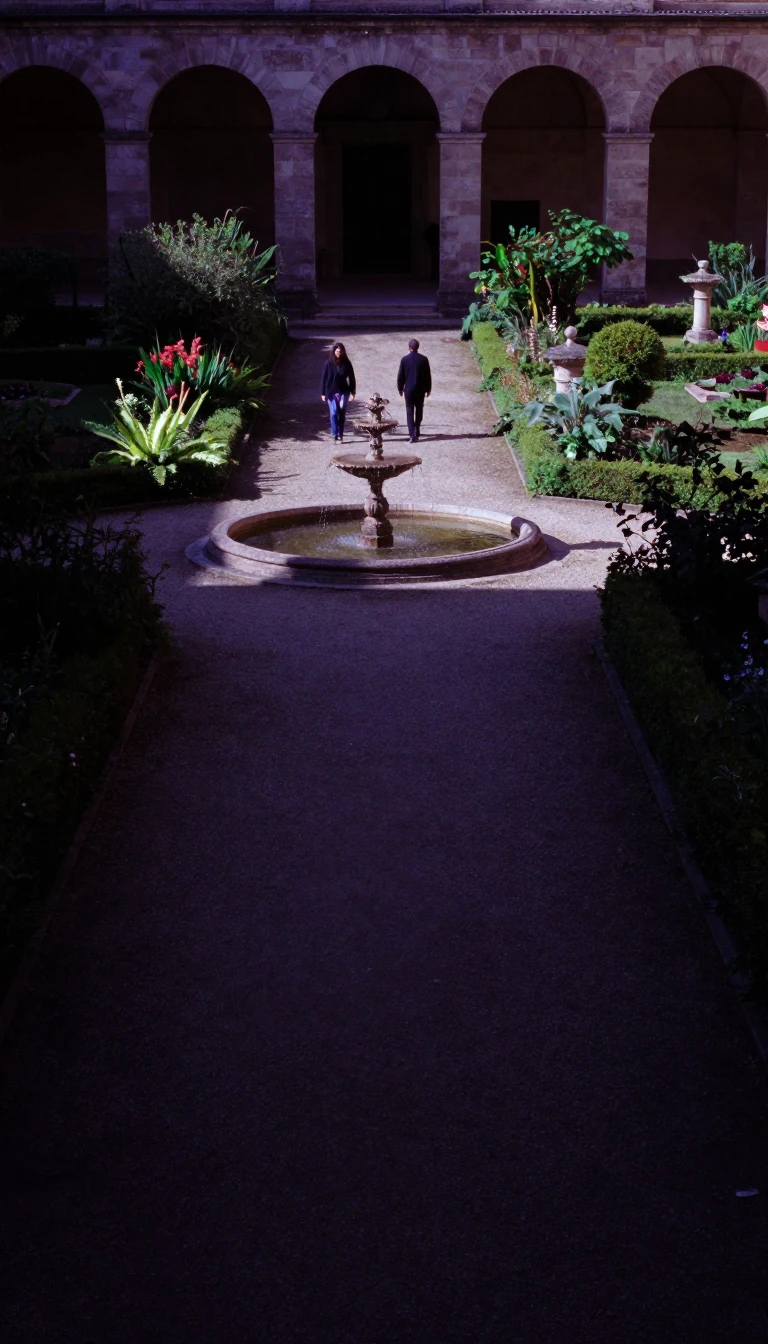
In short: Coined in 1840 by Friedrich Fröbel, the term kindergarten literally means garden of children. It reflects a philosophy that young minds should be nurtured like plants in a natural environment. While the concept began in Germany, it has evolved into a diverse array of global systems for early childhood education.
The origins of the kindergarten trace back to the late 18th century, when early establishments in Germany and Alsace emerged to support working parents. Friedrich Fröbel, a German pedagogue, formalized the movement by opening an experimental institute in 1837. By 1840, he had renamed it Kindergarten, emphasizing a pedagogical environment centered on play, song, and self-directed learning. This approach contrasted sharply with earlier infant schools, such as those founded by Robert Owen in Scotland in 1816 or Samuel Wilderspin in London in 1819, which focused more on moral education and basic literacy for the poor.
As the concept spread, it adapted to local cultures and needs. In Hungary, Countess Theresa Brunszvik opened an angel garden in 1828, while the United States saw its first German-language kindergarten in 1856, followed by the first English-language version in 1860. Today, the term carries vastly different meanings depending on the region. In some Australian states, it serves as the first year of primary school, whereas in China, it is often divided into three specific age-based stages. In Denmark, the model has even expanded to include forest kindergartens, where children spend their days learning in natural outdoor settings.
The implementation of these programs often reflects broader societal values. In Afghanistan, for instance, the Soviet occupation introduced urban preschools in 1980, which peaked at over 270 facilities by 1990. However, these programs faced significant opposition from families who feared they would undermine the central role of the home. Following the Soviet withdrawal and subsequent civil wars, the system collapsed, illustrating how early childhood education is deeply intertwined with political stability and cultural acceptance. Whether mandatory or optional, public or private, the kindergarten remains a vital, if varied, global institution for the transition from home to formal schooling.
Opens the Intellect+ feed with this card first. Swipe up for the next one.
Sources
- Summary by Intellect · source: Kindergarten
- Also: Wikidata — kindergarten · CC0
To cite this card, link to https://intellectplus.co.uk/app/places-kindergarten.
How we source, check and correct cards: Editorial standards.
General information, not professional advice. Spotted an error? Flag the card or see corrections and complaints.
Intellect Plus is a visual educational discovery platform for exploring fascinating facts and ideas. Brain Food, Not Brain Rot. What is Intellect Plus?
Related
More in Countries and other regions · More in Countries & Cities · Latest · A–Z · All topics
