Korma is a masterclass in braising that evolved from Mughal courts to global kitchens
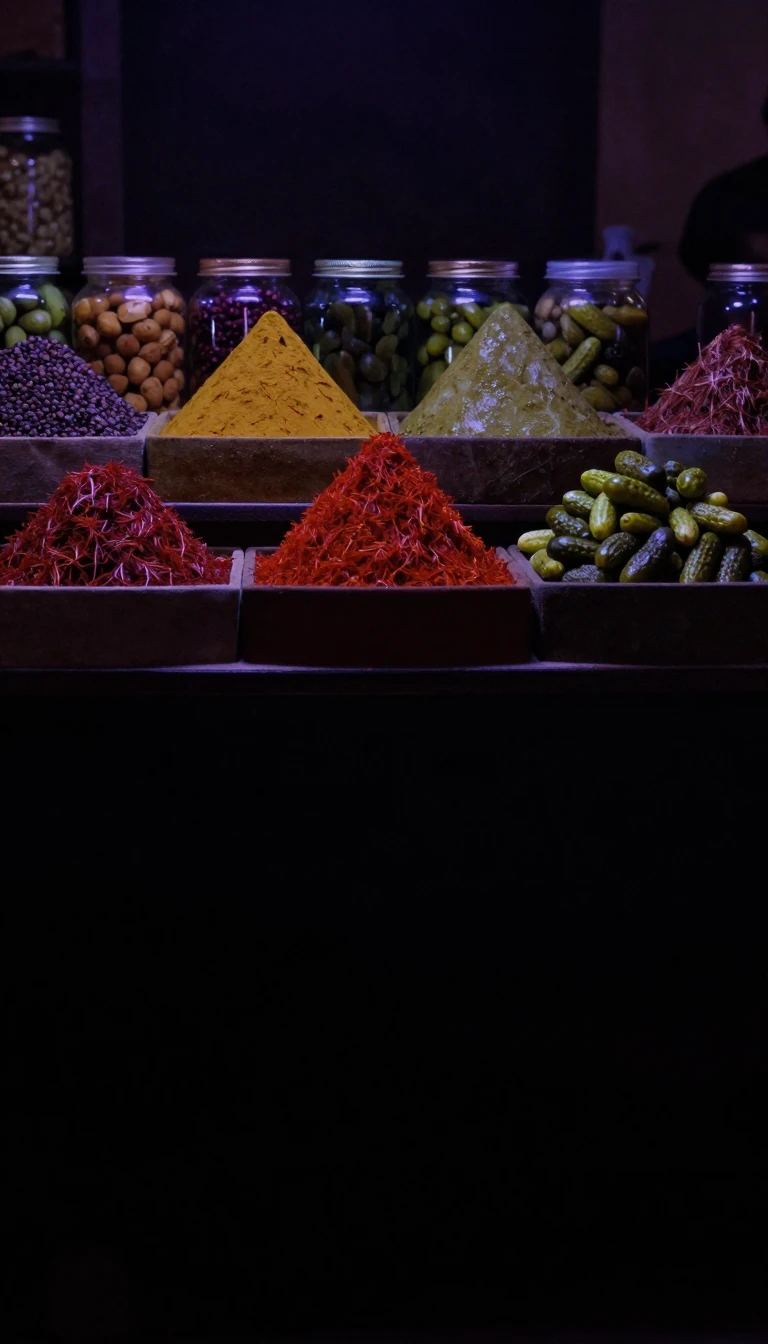
In short: The rich, aromatic korma is far more than a mild curry. Originating in the royal kitchens of the Mughal Empire, this technique of braising meat or vegetables in yogurt and spices has traveled across centuries and continents, transforming from a sophisticated courtly stew into a global culinary staple.
The word korma is an anglicisation of the Hindi-Urdu term qormā, which translates to braising. This cooking method involves searing ingredients in ghee before subjecting them to long, slow heat. Historically, the dish emerged from the Mughal court, with the first written references appearing during the reign of Shah Alam between 1643 and 1712. By the 18th century, court cooks had refined the Persian-style stew by enriching it with almonds, garlic, spices, and yogurt.
The dish's evolution reflects shifting cultural tastes. In 19th-century India, cooks adapted recipes for British palates, often stripping away traditional ingredients like saffron and cream in favor of standard British curry spices such as ginger and coriander. This trend continued into the 20th century; in 1954, Myra Waldo introduced an Americanized chicken korma that relied on generic curry powder, a version quite distinct from the original Indian preparations. Meanwhile, in the United Kingdom, the korma has become a staple of curry houses, frequently featuring coconut and nuts.
Regional variations demonstrate the dish's versatility. In Indonesia, the dish fuses Indian techniques with local traditions, substituting yogurt with coconut milk and sometimes using tamarind for acidity. In the Indian subcontinent, korma remains central to social life, appearing at Muslim wedding banquets and the traditional wazwan. Whether it is the nine-gem vegetarian navratan korma or a mutton dish served with saffron-flavored sheermal bread, the korma remains a testament to the enduring influence of Mughal culinary techniques.
It is worth noting that the name korma is shared by other entities, including a village in Indonesia and a constellation in the southern celestial hemisphere, though these are unrelated to the culinary dish. The culinary term itself shares linguistic roots with the Turkic word qawirma, meaning a fried thing, though modern korma and Turkish kavurma are distinct dishes.
Opens the Intellect+ feed with this card first. Swipe up for the next one.
Sources
To cite this card, link to https://intellectplus.co.uk/app/places-korma.
How we source, check and correct cards: Editorial standards.
General information, not professional advice. Spotted an error? Flag the card or see corrections and complaints.
Intellect Plus is a visual educational discovery platform for exploring fascinating facts and ideas. Brain Food, Not Brain Rot. What is Intellect Plus?
Related
More in Cities · More in Countries & Cities · Latest · A–Z · All topics
