How a sacred Buddha statue defined the destiny of a royal Laotian city
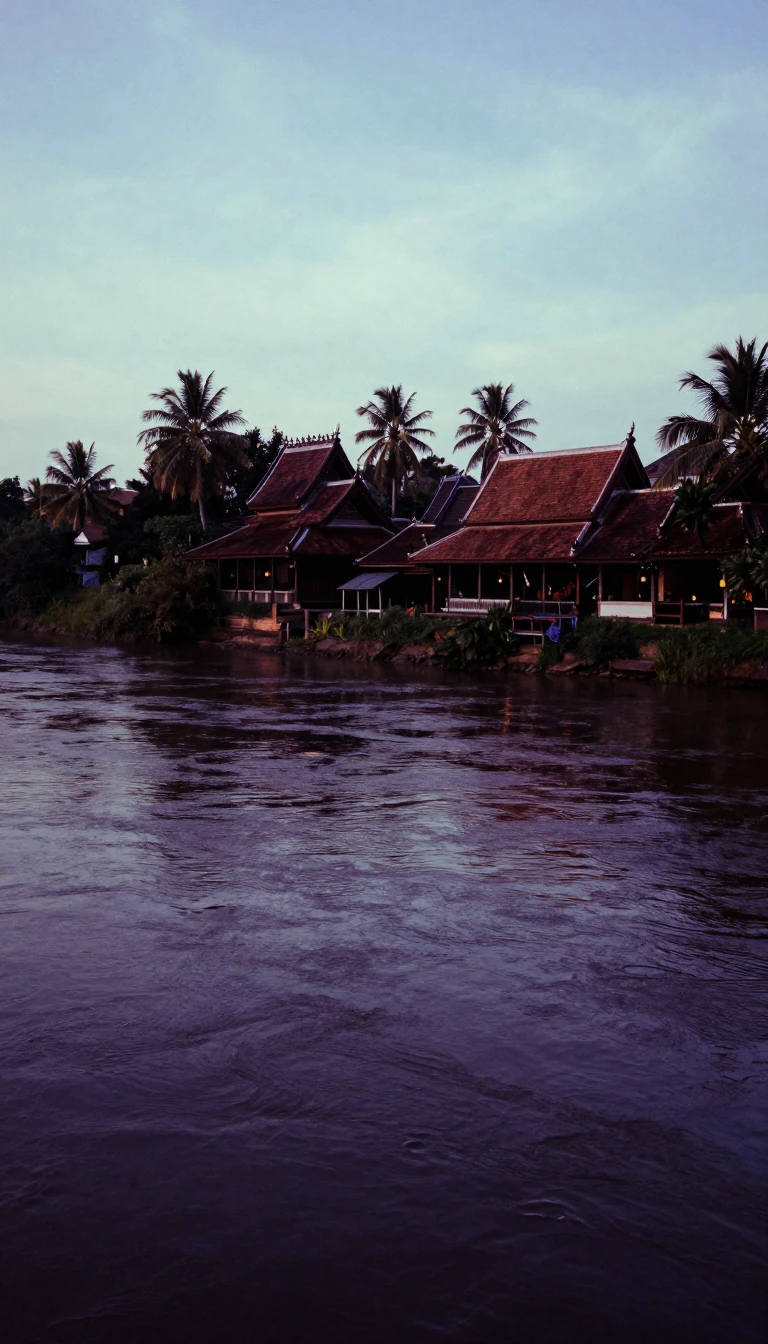
In short: Luang Prabang, a UNESCO World Heritage site in north-central Laos, is more than a blend of colonial architecture and Buddhist temples. Its very name, meaning Royal Buddha Image, stems from the Phra Bang statue, a symbol of sovereignty that has anchored the city’s identity through centuries of shifting regional power.
Historically known as Xieng Thong, the city emerged as a significant settlement by the 8th century. Its strategic importance grew as it became the capital of the Lan Xang kingdom in 1353. The city’s spiritual and political trajectory was cemented in 1359 when the Khmer king gifted the Phra Bang statue to the first Lan Xang monarch, Fa Ngum. This relic provided the necessary Buddhist legitimacy to unify the kingdom and spread Theravada Buddhism throughout the region, eventually leading to the city being renamed Luang Prabang in honor of the icon.
The city's history is a complex tapestry of foreign influence and resilience. It endured Khmer suzerainty, Vietnamese military expeditions in the late 15th century, and a fragmented existence following the collapse of Lan Xang in 1707. During the 20th century, the city became a focal point of geopolitical maneuvering. Throughout World War II, it was occupied by various forces, including Thai, Japanese, and French troops. Despite these pressures, the local monarchy remained a central figurehead, with King Sisavang Vong navigating the transition from a French protectorate to an independent state.
Today, Luang Prabang serves as a living museum of this layered past. The UNESCO-protected area encompasses 33 of its 58 villages, preserving daily rituals like the morning alms-giving ceremony. Beyond its historical significance, the city remains a hub of cultural and natural activity, from the Haw Kham Royal Palace Museum to the nearby Kuang Si Falls. Whether through its unique culinary traditions—such as Kaipen made from Mekong River moss—or its role as a modern transit node connecting Laos to China via rail, the city continues to balance its ancient royal heritage with the demands of the contemporary world.
Opens the Intellect+ feed with this card first. Swipe up for the next one.
Sources
- Summary by Intellect · source: Luang Prabang
- Also: Luang Prabang
- Also: Wikidata — Luang Prabang Province · CC0
To cite this card, link to https://intellectplus.co.uk/app/places-luang-prabang.
How we source, check and correct cards: Editorial standards.
General information, not professional advice. Spotted an error? Flag the card or see corrections and complaints.
Intellect Plus is a visual educational discovery platform for exploring fascinating facts and ideas. Brain Food, Not Brain Rot. What is Intellect Plus?
Related
More in World Heritage Sites · More in Countries & Cities · Latest · A–Z · All topics
