The Soviet warship that flew just above the waves but could not handle storms
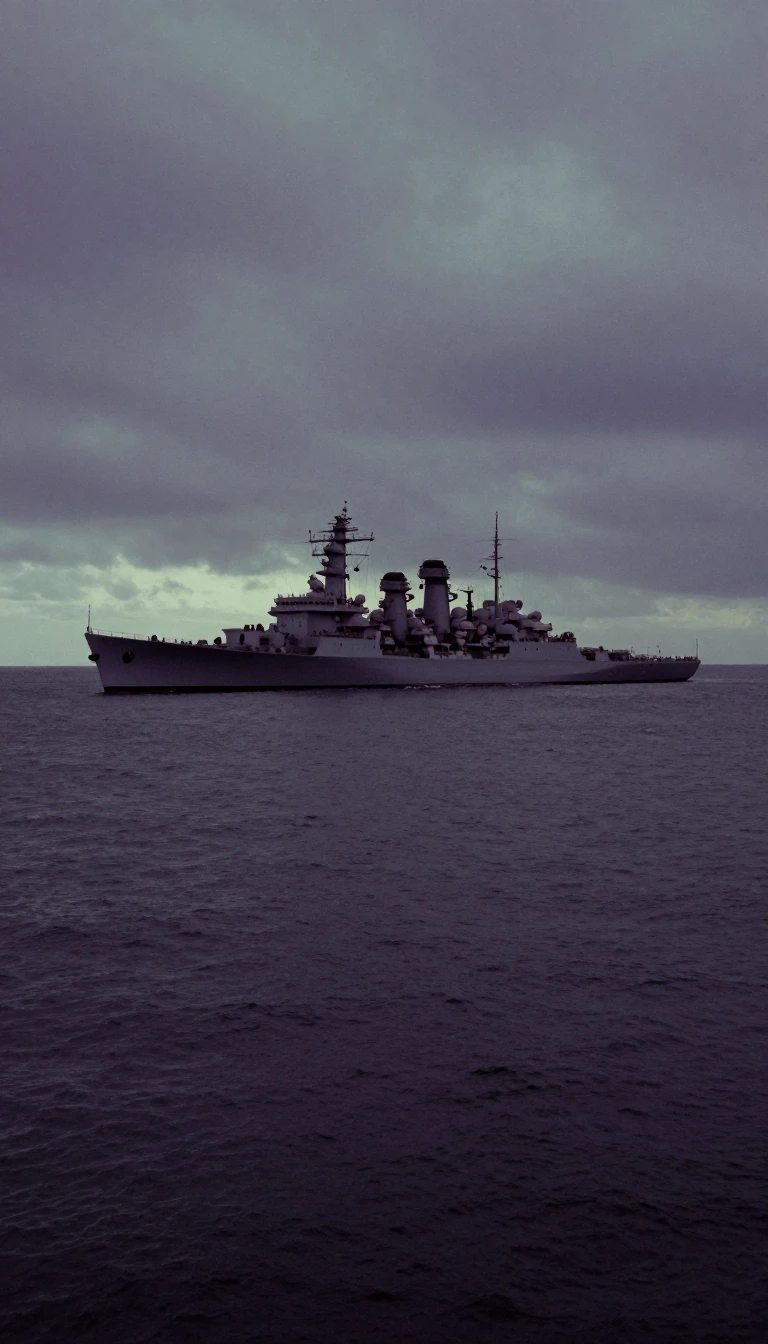
In short: The Lun-class ekranoplan was a unique maritime hybrid, designed to glide inches above the Caspian Sea at high speeds. Neither a ship nor a plane, this massive ground effect vehicle carried anti-ship missiles, yet its reliance on calm waters and low altitude ultimately grounded its military career for good.
Designed by Rostislav Alexeyev in 1975, the Lun-class ekranoplan—or Project 903—represented a bold attempt to merge aviation speed with naval utility. By utilizing the ground effect, where air pressure builds between a wing and the surface, the craft could achieve high efficiency and speeds of 550 kilometres per hour. Unlike traditional aircraft, it was classified by the International Maritime Organization as a ship, as it was never intended to fly at high altitudes. Its operational life was brief; the only completed unit, the MD-160, entered service with the Soviet Caspian Flotilla in 1987 and was retired by the late 1990s.
The vehicle's design was inherently limited by its reliance on the ground effect. To maintain lift, it had to operate at an altitude of only 1.5 to 3.0 metres above the water. This made it exceptionally vulnerable to rough seas, as even mild waves could disrupt its flight path or damage the hull. Furthermore, it lacked the ability to climb to higher altitudes to bypass weather, restricting its deployment to specific, calm conditions. While a second unit, the Spasatel, was planned as a mobile hospital, construction halted following the 1991 collapse of the Soviet Union.
After decades of sitting unused in Kaspiysk, the MD-160 became a viral curiosity in 2020 during a failed towing operation to Derbent. The massive craft became beached in the surf, where it remained exposed to wave damage for months. It was finally hauled ashore in December 2021, suffering structural damage during the process. Today, the ekranoplan is undergoing restoration to serve as the centerpiece of a new Patriot Park in Derbent, marking its transition from a Cold War weapon to a static museum exhibit.
Opens the Intellect+ feed with this card first. Swipe up for the next one.
Sources
- Summary by Intellect · source: Lun-class ekranoplan
- Also: Wikidata — Lun-class ekranoplan · CC0
To cite this card, link to https://intellectplus.co.uk/app/places-lun-class-ekranoplan.
How we source, check and correct cards: Editorial standards.
General information, not professional advice. Spotted an error? Flag the card or see corrections and complaints.
Intellect Plus is a visual educational discovery platform for exploring fascinating facts and ideas. Brain Food, Not Brain Rot. What is Intellect Plus?
Related
More in Cities · More in Countries & Cities · Latest · A–Z · All topics
