Why the McMansion became the most controversial architectural trend in modern suburban history
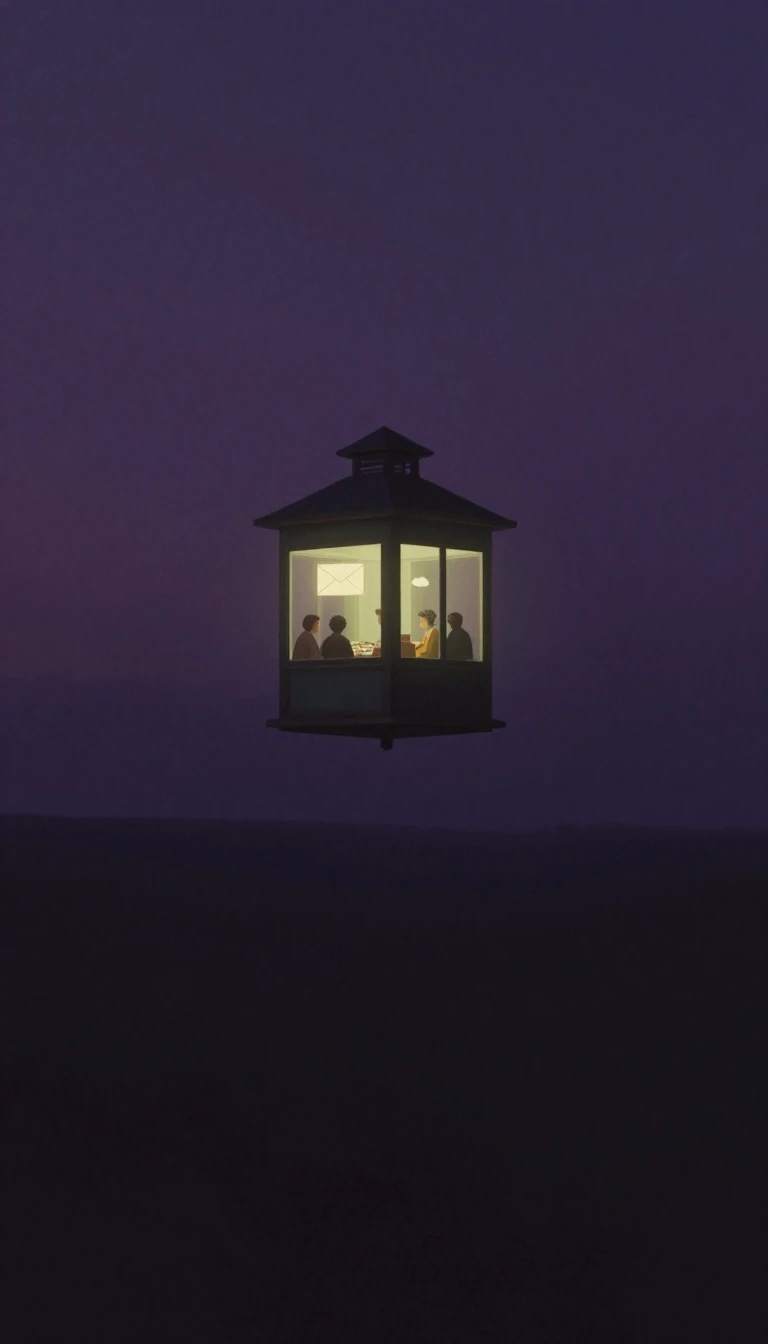
In short: Coined in the 1980s, the term McMansion describes a massive, mass-produced home that prioritizes sheer size over quality or architectural integrity. Often built in homogeneous developments, these structures have become symbols of excess, sparking intense debate over their aesthetic, environmental impact, and the volatile nature of speculative real estate.
The McMansion emerged in California during the 1980s, designed to bridge the gap between modest tract housing and custom-built luxury estates. These homes typically feature at least 3,000 square feet of floor space, soaring ceilings, and expansive foyers, often incorporating a jumble of conflicting architectural elements like Palladian windows, multiple rooflines, and oversized garages. Despite their grand appearance, they are frequently constructed with cheap, superficial materials—such as faux stucco or styrofoam molding—to maximize profit margins for developers.
Critics argue that these houses are inherently wasteful, as they are rarely designed with energy efficiency or long-term sustainability in mind. Because they are often built en masse on agricultural land rezoned for residential use, they contribute to suburban sprawl and increased commute times. Their design process often prioritizes interior layout over the exterior envelope, leading to asymmetrical, bloated facades that many find visually jarring. In some cases, the proximity of these large homes to smaller, older structures has led to significant friction within established neighborhoods.
The popularity of the McMansion has fluctuated alongside economic cycles. While the Great Recession of 2008–2012 briefly stabilized home sizes, the upward trend resumed as the economy recovered. However, by the 2010s, the style began to lose favor, particularly among younger generations who gravitated toward 'McModern' designs that emulate modernist principles. Today, the McMansion remains a polarizing fixture of the landscape, representing a specific era of consumer ambition that valued the appearance of luxury over the substance of design.
Opens the Intellect+ feed with this card first. Swipe up for the next one.
Sources
- Summary by Intellect · source: McMansion
- Also: Wikidata — McMansion · CC0
- Also: Wikidata — McMansion · CC0
To cite this card, link to https://intellectplus.co.uk/app/places-mcmansion.
How we source, check and correct cards: Editorial standards.
General information, not professional advice. Spotted an error? Flag the card or see corrections and complaints.
Intellect Plus is a visual educational discovery platform for exploring fascinating facts and ideas. Brain Food, Not Brain Rot. What is Intellect Plus?
Related
More in Cities · More in Countries & Cities · Latest · A–Z · All topics
