Why Germany's least populated state is a landscape shaped by ice and history
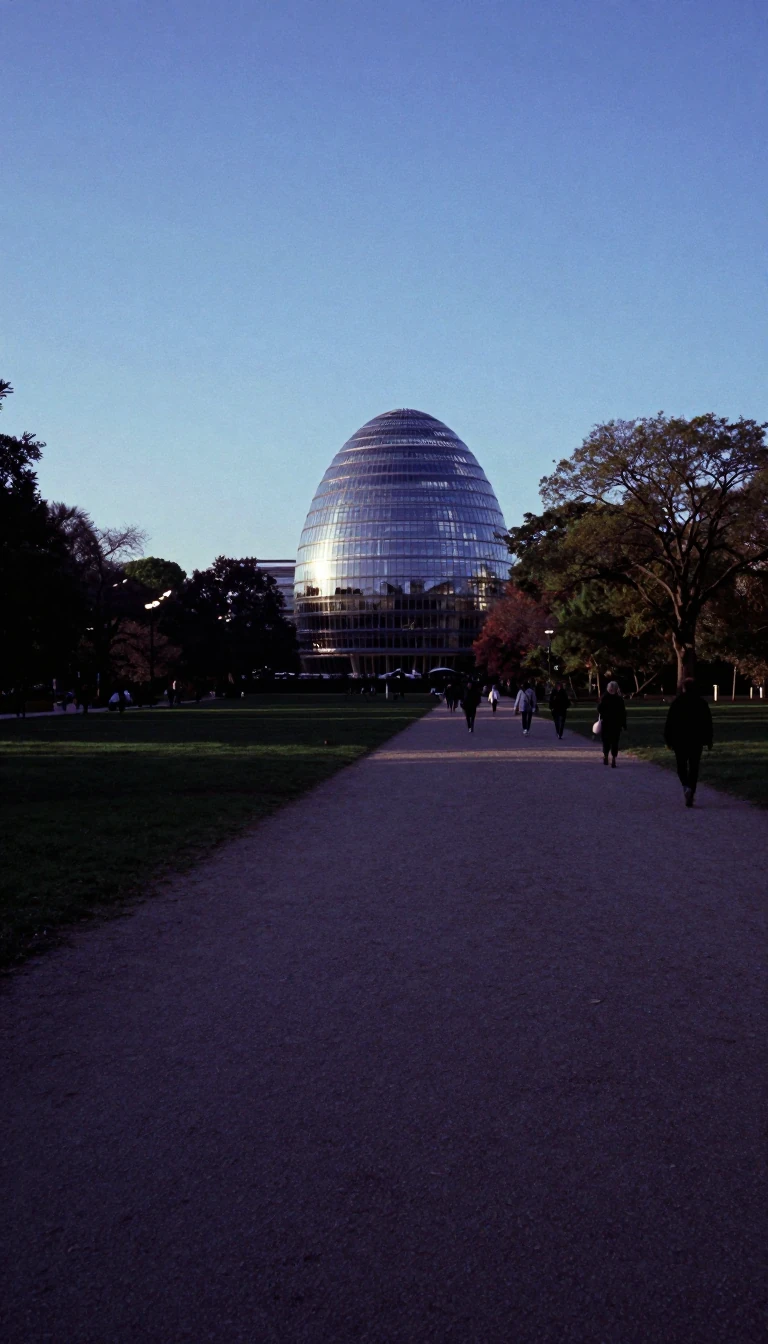
In short: Mecklenburg-West Pomerania is a quiet, coastal expanse defined by its glacial past and a complex political evolution. Once part of East Germany, this northeastern state remains one of the country's least densely populated regions, offering a unique blend of Baltic shorelines, historic Hanseatic architecture, and vast, rural agricultural landscapes.
Geographically, the state is a product of ancient glacial forces that carved its hilly terrain, wetlands, and over 1,700 lakes, including Lake Müritz. Stretching from the Bay of Lübeck to the Szczecinski Lagoon, the region is dominated by the North European Plain. Its coast features dramatic chalk cliffs on the island of Rügen and extensive beaches, protected by national parks like Jasmund and the West Pomeranian Boddenlandschaft.
The state's modern identity was forged in the 20th century. Established in 1945 by the Soviet military administration, it was later dissolved in 1952 during East German administrative reforms. It was only re-established in 1990 following German reunification. This history of collectivized farming during the East German era left a legacy of unusually large farm units, which today focus on crops like rapeseed, wheat, and rye, even as agriculture plays a smaller role in the modern economy.
Economically, the region has faced significant challenges since 1990, including high unemployment and a lack of large industrial centers. However, its tourism sector has become a vital performer, drawing visitors to its historic Hanseatic towns like Rostock and Stralsund. These cities, characterized by their distinctive North German Gothic brick architecture, serve as cultural hubs alongside the capital, Schwerin, and the university towns of Rostock and Greifswald.
Despite its natural beauty and rich history, the state remains relatively poor by German standards, hampered by a lack of major manufacturing and historically limited land-based infrastructure. While waterborne transport remains strong, the state has worked to improve its rail and highway connections, including the completion of an east-west autobahn in 2005 to better integrate the region into the broader European market.
Opens the Intellect+ feed with this card first. Swipe up for the next one.
Sources
- Summary by Intellect · source: Mecklenburg–West Pomerania | History, Map, Population, Capital, & Facts | Britannica
- Also: Mecklenburg-Vorpommern
To cite this card, link to https://intellectplus.co.uk/app/places-mecklenburg-vorpommern.
How we source, check and correct cards: Editorial standards.
General information, not professional advice. Spotted an error? Flag the card or see corrections and complaints.
Intellect Plus is a visual educational discovery platform for exploring fascinating facts and ideas. Brain Food, Not Brain Rot. What is Intellect Plus?
Related
More in Regions and country subdivisions · More in Countries & Cities · Latest · A–Z · All topics
