Why the bridge between childhood and high school looks different across the globe
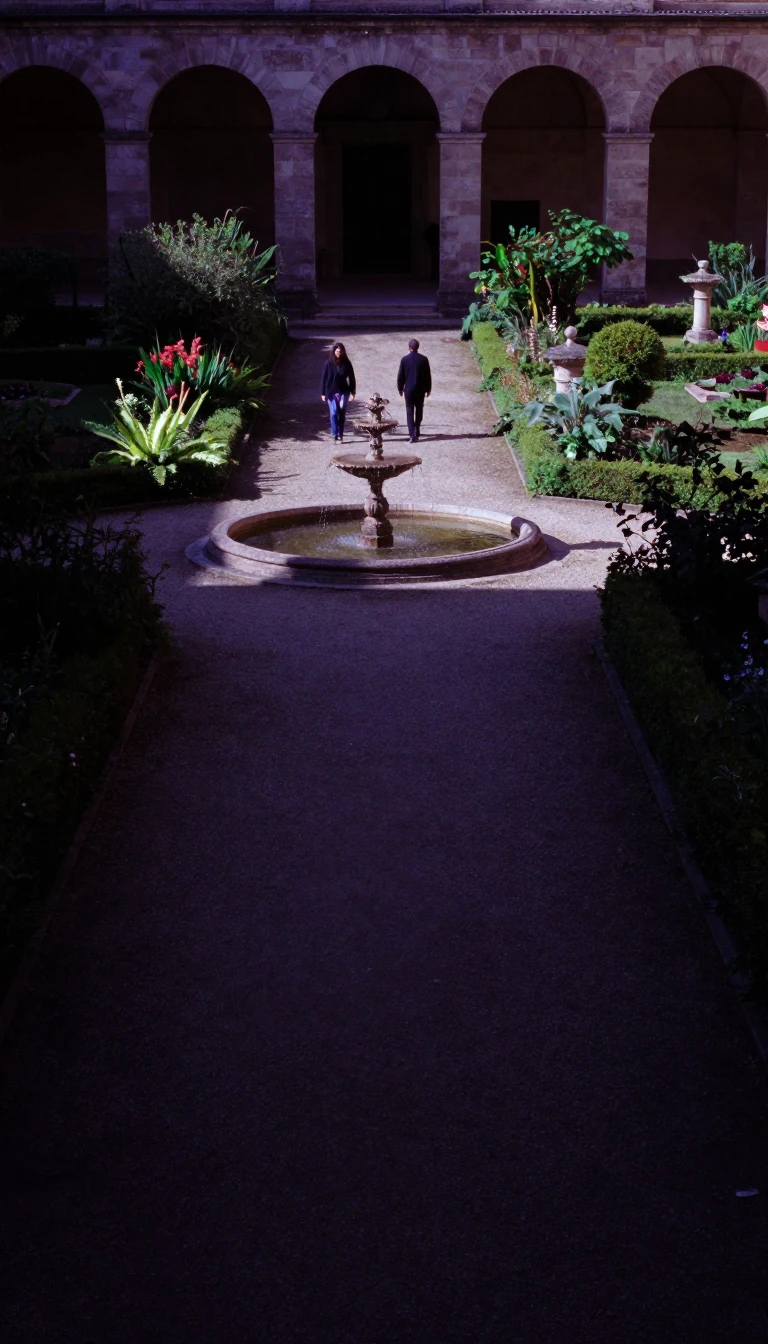
In short: Middle school is a global educational stage, yet its definition is remarkably fluid. While some nations treat it as a distinct three-year period, others integrate it into primary or secondary systems. From the French collège to the Indonesian SMP, the transition between childhood and adolescence varies wildly by geography.
The concept of middle school—an educational bridge between primary and secondary levels—is far from universal. In many countries, the structure is dictated by local tradition and administrative convenience rather than a standardized global model. For instance, in France, the four-year collège accommodates students aged 11 to 15, culminating in the brevet des collèges. Conversely, in countries like Bangladesh, the middle years are often absorbed into a broader 10-year schooling block, where grades 6 through 8 are conceptually grouped as middle school despite lacking a separate institutional identity.
Regional variations often reflect how a nation defines compulsory education. In China, the junior high stage (grades 7–9) provides the final three years of a mandatory nine-year cycle, with students often facing a high-stakes entrance exam to progress to senior high. Meanwhile, some regions have abandoned the middle school model entirely. Bolivia abolished its middle schools in 1994, redistributing those years into the end of elementary or the start of secondary education. Similarly, Australia lacks a unified national approach, with some states integrating middle years into secondary campuses while others experiment with specialized programs.
The nomenclature is equally diverse, ranging from 'junior high' and 'intermediate school' to 'guidance school' in Iran or 'gymnasio' in Greece and Cyprus. In Canada, the structure is highly localized, shifting based on building capacity and population density, leading to models that span grades 5–8 or 7–9. Whether it is called 'Ensino Fundamental II' in Brazil or 'preparatory stage' in Egypt, the middle school experience remains a pivotal, yet structurally inconsistent, phase of global development.
Opens the Intellect+ feed with this card first. Swipe up for the next one.
Sources
- Summary by Intellect · source: Middle school
- Also: middle school
To cite this card, link to https://intellectplus.co.uk/app/places-middle-school.
How we source, check and correct cards: Editorial standards.
General information, not professional advice. Spotted an error? Flag the card or see corrections and complaints.
Intellect Plus is a visual educational discovery platform for exploring fascinating facts and ideas. Brain Food, Not Brain Rot. What is Intellect Plus?
Related
More in Cities · More in Countries & Cities · Latest · A–Z · All topics
