How a 1990s stadium move was driven by safety fears and royal visits
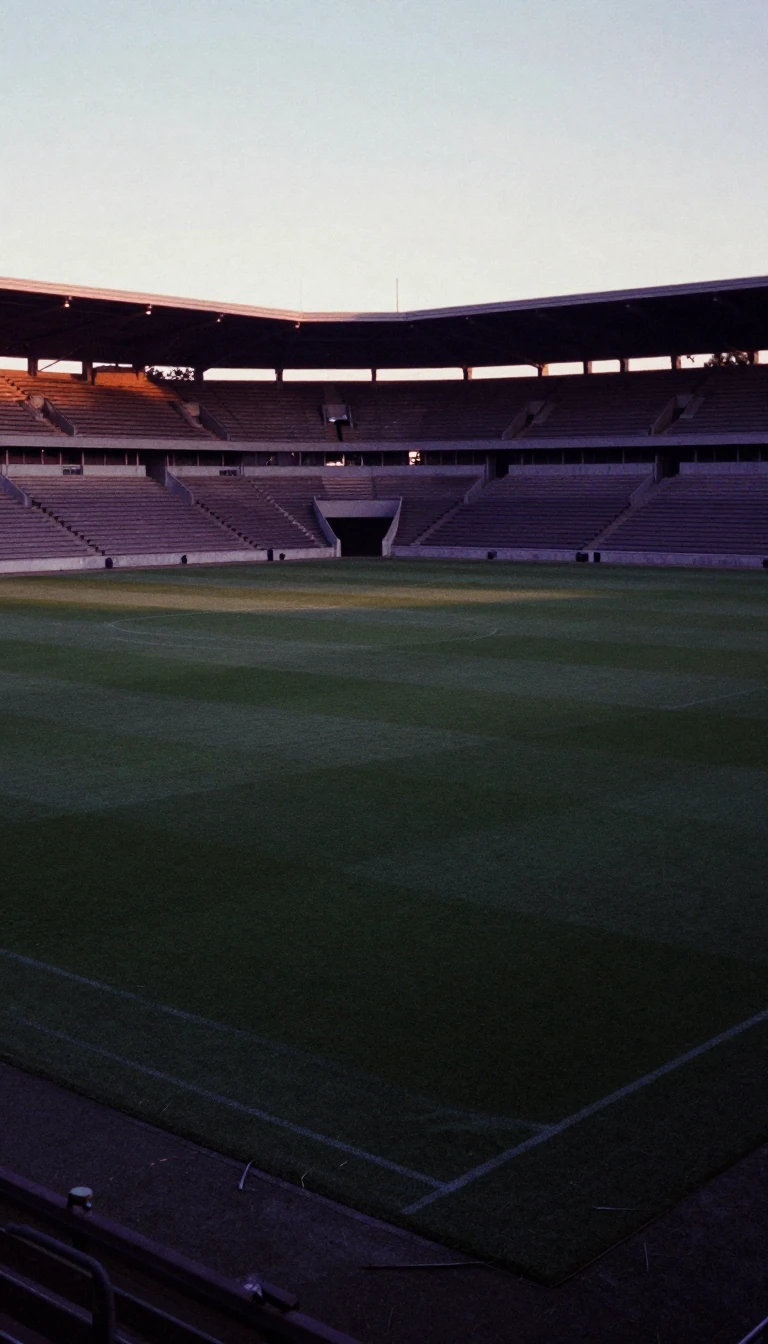
In short: When Derby County left the historic Baseball Ground in 1997, they weren't just seeking a modern home. They were escaping the era of wooden stands and dwindling capacities, racing against a royal deadline to build a £22 million arena that would host the world.
The transition from the Baseball Ground to Pride Park Stadium was born from necessity. Following the 1989 Hillsborough Disaster, new regulations required English stadiums to become all-seater by the 1994–95 season. At the Baseball Ground, capacity had plummeted to 17,500, and the presence of wooden structures—deemed unsafe after the 1985 Bradford City fire—made a move inevitable. By February 1996, chairman Lionel Pickering committed to a new £16 million project. The club's leadership had considered relocating as early as 1991. Initially, the directors even contemplated naming the new venue the New Baseball Ground.
The construction of the new stadium was a massive engineering feat, involving over 1,000 pre-cast concrete piles and 6,500 tonnes of concrete. The project was under immense pressure because the Queen was scheduled to open the ground. This royal deadline forced contractors to accelerate work to ensure the stadium was ready for her visit on 18 July 1997. The pitch itself was designed to meet international standards, measuring 105 metres in length and 6 8 metres in width. To complete the structure, engineers utilized more than 2,100 tonnes of steelwork.
While the stadium has since hosted international matches involving Brazil and Mexico, its history is marked by both ambition and financial turbulence. Plans for a massive 10,000-seat indoor arena were scaled back, and later, the club faced a financial crisis in 2002, leading to temporary receivership. Despite these shifts, the stadium remains a significant venue, currently holding 33,597 spectators and standing as the 16th-largest football ground in England. The stadium's capacity eventually grew to 33,597 following various ground expansions. It has also served as a venue for significant women's international fixtures, including a match against Australia in 2025.
Opens the Intellect+ feed with this card first. Swipe up for the next one.
Sources
- Summary by Intellect · source: Pride Park Stadium
- Also: Wikidata — Pride Park Stadium · CC0
To cite this card, link to https://intellectplus.co.uk/app/places-pride-park-stadium.
How we source, check and correct cards: Editorial standards.
General information, not professional advice. Spotted an error? Flag the card or see corrections and complaints.
Intellect Plus is a visual educational discovery platform for exploring fascinating facts and ideas. Brain Food, Not Brain Rot. What is Intellect Plus?
Related
More in Cities · More in Countries & Cities · Latest · A–Z · All topics
