How a Chilean lakeside town became a bastion of German culture and roses
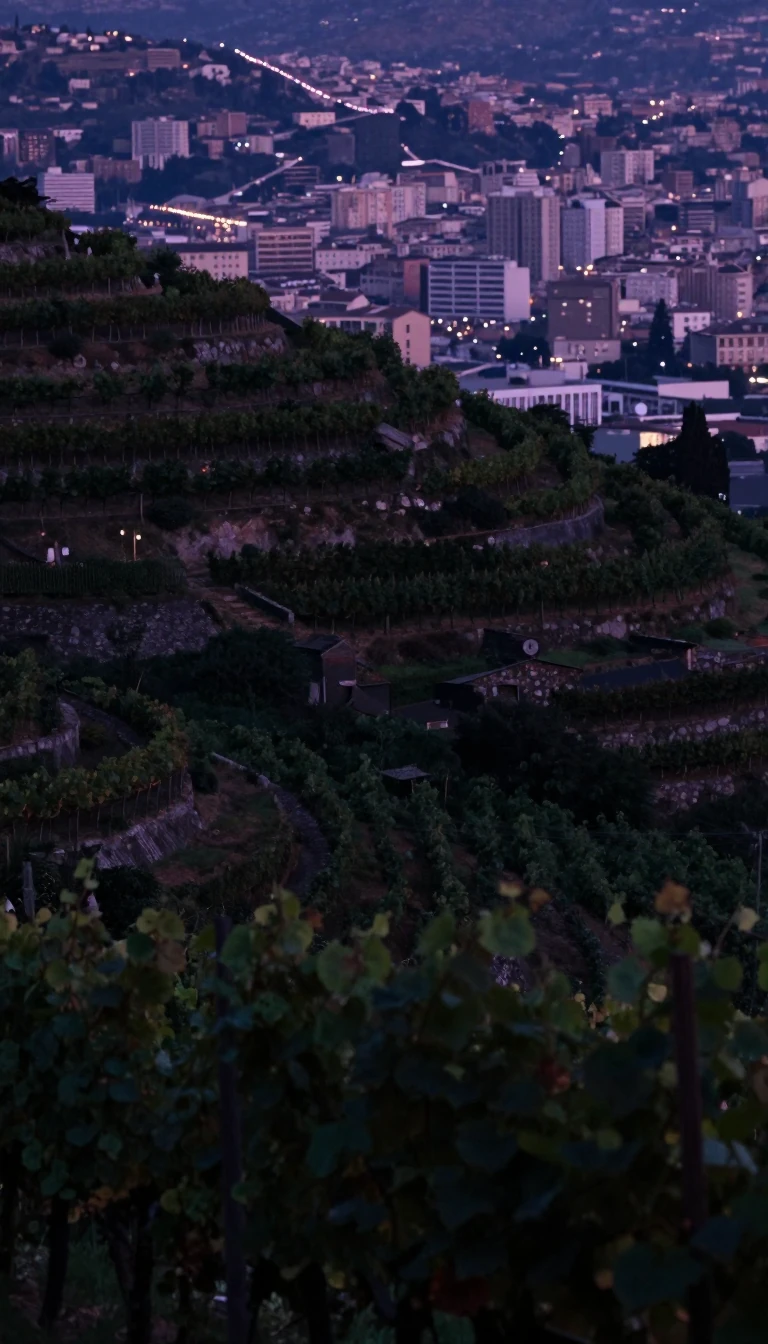
In short: Nestled against the backdrop of the Andes and the expansive Llanquihue Lake, Puerto Varas is a unique blend of South American geography and 19th-century European heritage. Known as the City of Roses, this Chilean commune preserves a distinct architectural and culinary identity shaped by waves of German settlers since 1853.
The city’s foundation is rooted in a mid-19th-century government colonization initiative. In 1853, the Chilean state, under President Manuel Montt, encouraged immigration to the Llanquihue Lake region. The town was christened in honor of Antonio Varas, who served as the Minister of the Interior during that period. The initial settlers arrived in 1853, comprising 212 families from various German regions, including Bavaria, Saxony, and Westphalia. These pioneers established a new life on the lake's western shore, bringing with them European tools and building techniques that would define the region's aesthetic.
This German influence remains deeply embedded in the local landscape. The city is celebrated for its traditional wooden architecture, characterized by steep roofs and neo-gothic elements, often constructed from local alerce wood. A 13-hectare heritage zone, designated in 1992, protects these structures, including the iconic 1918 Sacred Heart of Jesus Church. Beyond the architecture, the city’s identity is tied to the 1950s initiative by Mayor Teobaldo Kuschel Kneer, who introduced rose bushes throughout the streets, parks, and private gardens, earning the town its floral moniker.
Today, Puerto Varas functions as a vibrant cultural and tourist hub. Its culinary scene highlights this dual heritage, blending regional meats like lamb and salmon with German staples such as kuchen, marzipan, and sausages. The city maintains its connection to its roots through festivals like the annual Kuchen Day and the preservation of historical institutions, such as the German school founded in 1857. Surrounded by the Osorno and Calbuco volcanoes, the city serves as a gateway for outdoor exploration, offering access to national parks and the scenic route toward the Andes mountains.
Opens the Intellect+ feed with this card first. Swipe up for the next one.
Sources
- Summary by Intellect · source: Puerto Varas
- Also: Wikidata — Puerto Varas · CC0
- Also: Wikidata — Puerto Varas East Airport · CC0
To cite this card, link to https://intellectplus.co.uk/app/places-puerto-varas.
How we source, check and correct cards: Editorial standards.
General information, not professional advice. Spotted an error? Flag the card or see corrections and complaints.
Intellect Plus is a visual educational discovery platform for exploring fascinating facts and ideas. Brain Food, Not Brain Rot. What is Intellect Plus?
Related
More in Bodies of water · More in Countries & Cities · Latest · A–Z · All topics
