How a single storyteller transforms into a full sitcom using only a fan and cloth.
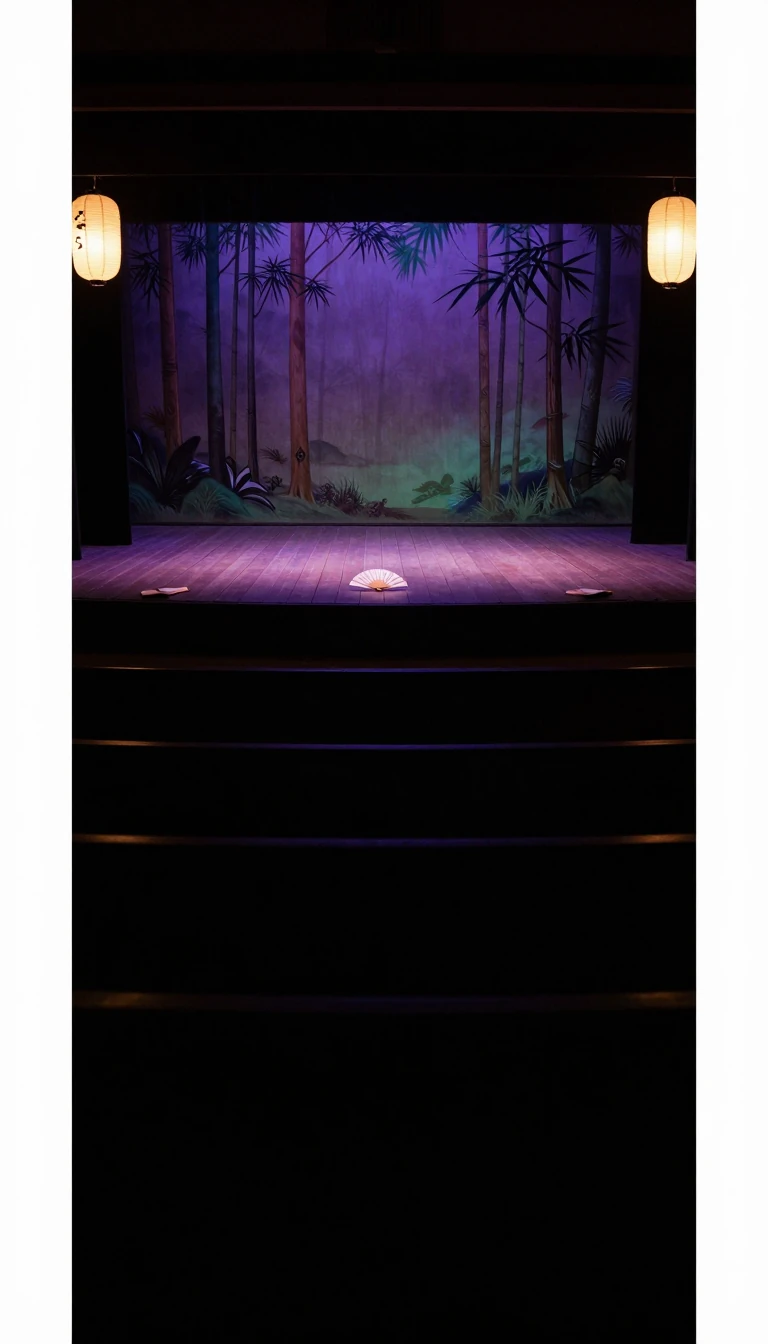
In short: Rakugo is a centuries-old Japanese art of verbal comedy where one performer plays every character in a story. Sitting motionless on a raised platform, the artist uses only a paper fan and a small cloth to signal shifts in personality, tone, and perspective, creating a complex, hilarious, and sometimes sentimental performance.
The essence of rakugo, or 'falling word,' lies in its minimalist mastery. A performer, known as a rakugoka, remains in the traditional seiza sitting position throughout the show. By subtly altering their pitch, tone, and head angle, they distinguish between multiple characters in a dialogue. This art form is often described as a one-person sitcom, where the narrative builds toward a sudden, clever conclusion known as an ochi or sage—a punchline that disrupts the flow of the story.
The roots of this tradition stretch back to the Heian period, when Buddhist monks used humorous stories from collections like the Konjaku Monogatarishū to engage their audiences. By the Sengoku period, professional storytellers called otogishū served as companions and lecturers to feudal lords. Anrakuan Sakuden, a 17th-century monk, is frequently credited as the originator of the form; his 1628 collection, Seisuishō, contains over 1,000 stories that laid the groundwork for the classical repertoire.
During the Edo period, the art form moved from private chambers to the public sphere. Around 1670, performers like Tsuyuno Gorobe and Shikano Buzaemon began telling stories for a price in simple huts. While the tradition faced a century-long decline, it was revived in 1786 by Utei Emba, who helped establish the yose, or dedicated rakugo theaters. Today, the repertoire is split between koten rakugo—traditional tales like the famous 'Jugemu' or 'Mt. Head'—and shinsaku rakugo, which are original works created by modern performers.
The craft remains highly codified, with twelve distinct types of punchlines recognized, ranging from puns to physical gestures. Even as the art evolves, with some performers now presenting stories in English to bridge cultural gaps, the core requirement remains the same: the ability to evoke a world of characters through nothing more than voice, gesture, and the audience's imagination.
Opens the Intellect+ feed with this card first. Swipe up for the next one.
Sources
- Summary by Intellect · source: Rakugo
- Also: Wikidata — rakugo · CC0
To cite this card, link to https://intellectplus.co.uk/app/places-rakugo.
How we source, check and correct cards: Editorial standards.
General information, not professional advice. Spotted an error? Flag the card or see corrections and complaints.
Intellect Plus is a visual educational discovery platform for exploring fascinating facts and ideas. Brain Food, Not Brain Rot. What is Intellect Plus?
Related
More in Cities · More in Countries & Cities · Latest · A–Z · All topics
