How a dream and a rigorous standard created the most authentic Islamic text.
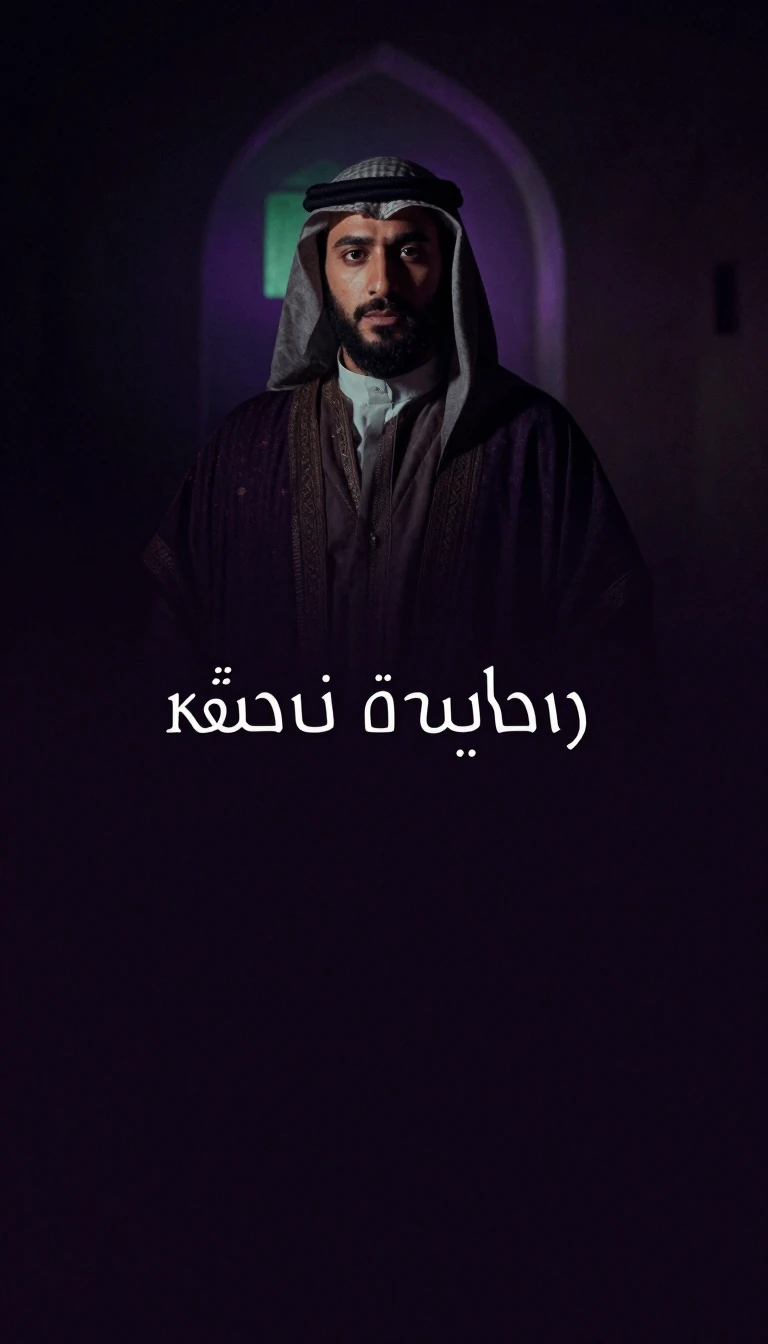
In short: Compiled by al-Bukhari in the 9th century, Sahih al-Bukhari is revered as the most authentic Islamic text after the Qur'an. Driven by a vision of protecting the Prophet from falsehoods, al-Bukhari established strict criteria for narrators, creating a monumental collection that has shaped Sunni law and theology for centuries.
Al-Bukhari began his massive undertaking in the sacred cities of Mecca and Medina, eventually completing the work in Bukhara around 846 CE. His motivation was deeply personal and spiritual; he reported a dream where he fanned the Prophet, which interpreters told him signified his future role in shielding the Prophet's legacy from lies. This resolve led him to travel extensively across the Abbasid Caliphate, seeking narrations that met his uncompromising standards for authenticity.
The collection is defined by four rigid conditions for every narrator: they must possess an exceptional memory, be recognized by peers for their reporting technique, provide a complete chain of transmission (isnad) without missing links, and have personally met the narrators preceding them in the chain. These rules ensured that the Sahih stood apart from earlier collections, which often mixed authentic reports with weaker ones. Upon completion, al-Bukhari submitted his work to prominent scholars like Ahmad ibn Hanbal, who verified its accuracy.
The structure of the Sahih is vast, containing thousands of hadith categorized into 78 chapters. While scholars have debated the exact count of reports due to differences in how suspended or repeated narrations are tallied, the work remains a cornerstone of Islamic scholarship. Its influence is so profound that Ibn Khaldun famously remarked that explaining the Sahih is a debt owed by the Muslim nation, a sentiment reflected in the roughly 400 commentaries produced over the centuries, including the celebrated Fath al-Bari by Ibn Hajar al-Asqalani.
Today, the version transmitted by al-Firabri serves as the standard for all modern printed editions. The preservation of this text is evidenced by thousands of extant manuscripts, with the oldest complete copy dating back to 1155 CE. From its origins in the 9th century to its continued study in the modern era, Sahih al-Bukhari remains a vital, meticulously curated record of the Prophet's traditions.
Opens the Intellect+ feed with this card first. Swipe up for the next one.
Sources
- Summary by Intellect · source: Sahih al-Bukhari
- Also: Wikidata — Sahih al-Bukhari · CC0
To cite this card, link to https://intellectplus.co.uk/app/places-sahih-al-bukhari.
How we source, check and correct cards: Editorial standards.
General information, not professional advice. Spotted an error? Flag the card or see corrections and complaints.
Intellect Plus is a visual educational discovery platform for exploring fascinating facts and ideas. Brain Food, Not Brain Rot. What is Intellect Plus?
Related
More in Cities · More in Countries & Cities · Latest · A–Z · All topics
