How a tiny island in Senegal became the laboratory for French colonial urbanism
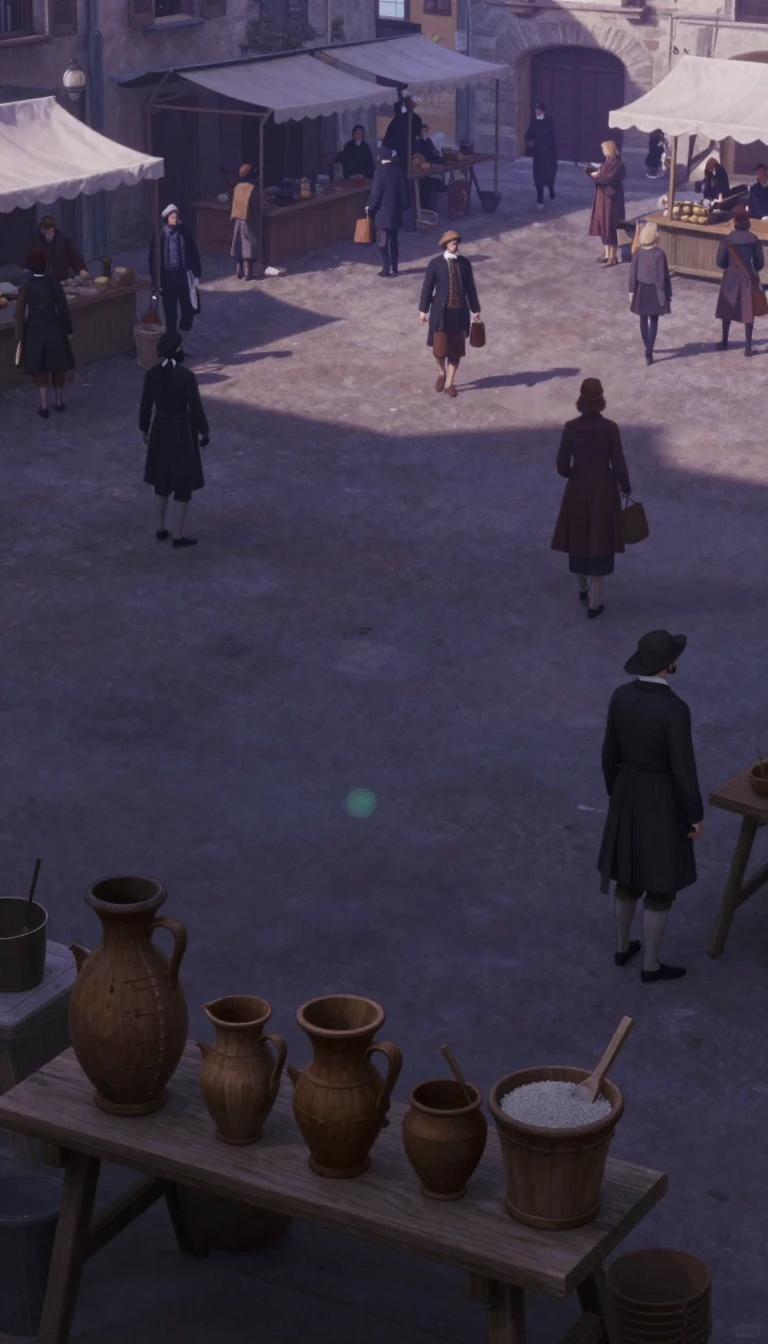
In short: Founded in 1659, the island of Saint-Louis served as the capital of French West Africa and a hub for global trade. Today, this UNESCO World Heritage site remains a unique architectural crucible, where colonial planning meets the shifting waters of the Senegal River in a fragile, historic landscape.
Established as the first French chartered company settlement on the African Atlantic coast in 1659, Saint-Louis was named to honor Louis IX and Louis XIV. The island, a narrow strip of land wedged between two arms of the Senegal River, evolved into a vital economic center for the trade of gold, leather, gum arabic, and enslaved people. By the mid-19th century, the city underwent significant urbanization, eventually serving as the capital of Senegal and Mauritania until 1957.
The city’s aesthetic identity is defined by its orthogonal urban grid, a vision imprinted by Governor Faidherbe. This layout features a regular plan centered on the Government Palace, which was built upon the site of the city’s ancient fort. The architecture is characterized by distinctive balcony and gallery houses, alongside rare Portuguese-style maison basses. The iconic Faidherbe Bridge, whose spans were imported from France in 1897, stands as the city's primary emblem, integrated into a town plan that has remained remarkably consistent for over a century.
Beyond its physical layout, Saint-Louis functioned as a cultural laboratory, fostering a hybrid society that influenced education, services, and craftsmanship across French West Africa. This legacy of cultural synthesis contributed to a new humanism in the region. Today, the island faces significant environmental challenges, including rising sea levels and flooding. To preserve its integrity, the city has implemented rigorous safeguarding plans, including the 2008 Safeguarding and Valorisation Plan, which has trained hundreds of local craftsmen in traditional restoration techniques to protect the city's unique colonial heritage.
Opens the Intellect+ feed with this card first. Swipe up for the next one.
Sources
- Summary by Intellect · source: Island of Saint-Louis
- Also: Saint-Louis, Senegal
To cite this card, link to https://intellectplus.co.uk/app/places-saint-louis-senegal.
How we source, check and correct cards: Editorial standards.
General information, not professional advice. Spotted an error? Flag the card or see corrections and complaints.
Intellect Plus is a visual educational discovery platform for exploring fascinating facts and ideas. Brain Food, Not Brain Rot. What is Intellect Plus?
Related
More in Africa · More in Countries & Cities · Latest · A–Z · All topics
