The San Joaquin River was once a salmon paradise, now largely a dry channel.
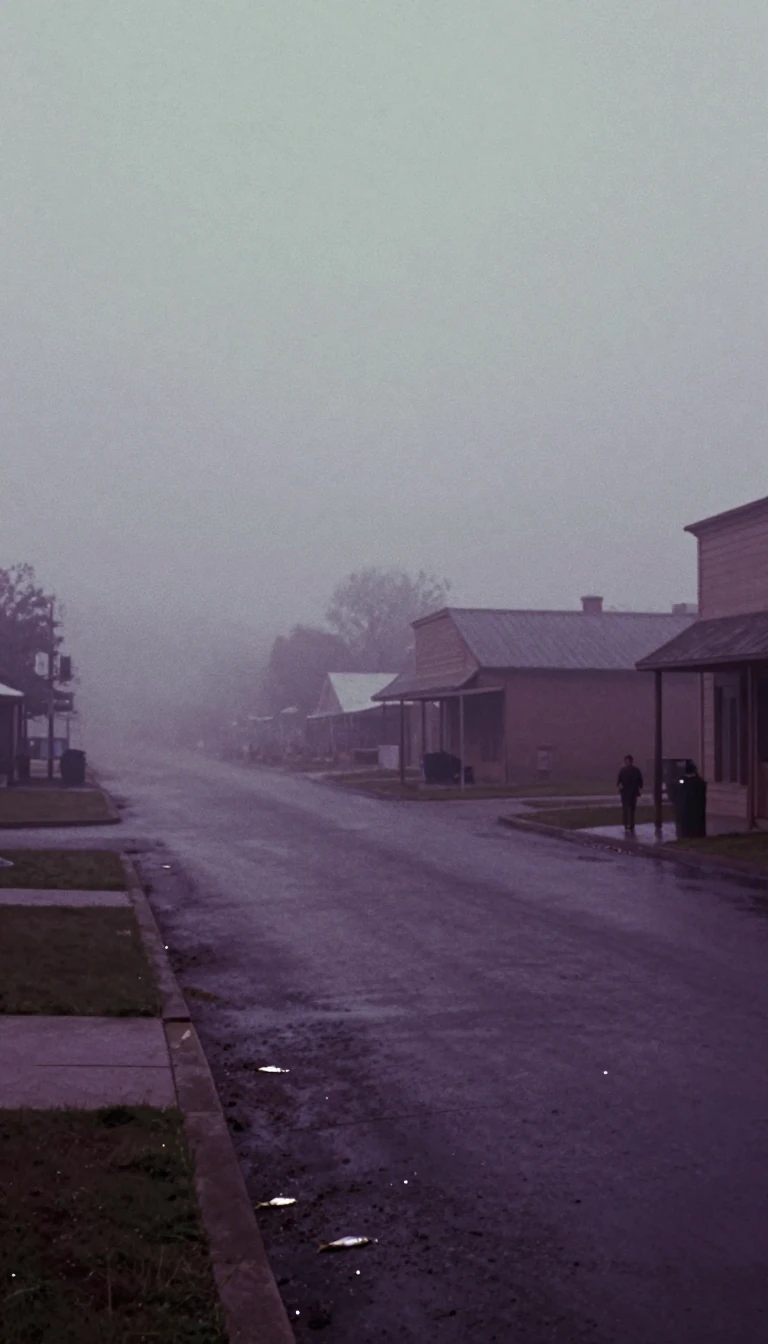
In short: Originating in the high Sierra Nevada, the San Joaquin River once supported California's largest Chinook salmon population. Today, extensive damming and water diversion have left much of the riverbed dry, blocking fish from 90% of their historical spawning grounds and pushing native species to the brink of local extinction.
The San Joaquin River system is a testament to the massive scale of 20th-century water engineering. Historically, the river was a vibrant corridor teeming with salmon and migratory birds. However, the construction of major dams on the mainstem and nearly all its tributaries—including the Merced, Tuolumne, and Stanislaus rivers—has fundamentally altered its natural flow. These structures, built for municipal supply, agriculture, and hydroelectric power, have effectively severed the river's connection to its upper watersheds.
The ecological consequences have been severe. By blocking access to historic spawning locations and channelizing streams, these modifications have caused the local extinction of Central Valley spring-run Chinook salmon across most of their range. Similarly, Central Valley steelhead populations have been decimated by habitat degradation and water allocation issues. Both species were listed as threatened under the Endangered Species Act in the late 1990s. The river's functionality is further compromised by warm water temperatures, poor quality, and the loss of floodplains to urban and agricultural development.
A striking exception in this heavily engineered landscape is the Cosumnes River. As the only major Sierra Nevada stream system without a large dam on its mainstem or tributaries, it maintains a relatively natural flow regime. While other rivers in the basin are managed to the point of running dry for long stretches, the Cosumnes serves as a rare, functional reference point for what the region's hydrology once looked like. Recovery efforts for the San Joaquin now focus on addressing these stressors through habitat restoration, aiming to reconnect the fragmented ecosystems that remain.
The river's name itself reflects its complex history. While it was once known by various Indigenous names—such as the Yokuts' 'Tihshachu,' meaning 'salmon-spearing place'—the current name was applied by Spanish explorer Gabriel Moraga between 1805 and 1808. Today, the river remains a critical, if heavily regulated, artery of California, illustrating the profound tension between human demand for water and the survival of native aquatic life.
Opens the Intellect+ feed with this card first. Swipe up for the next one.
Sources
- Summary by Intellect · source: San Joaquin River Basin
- Also: San Joaquin River
To cite this card, link to https://intellectplus.co.uk/app/places-san-joaquin-river.
How we source, check and correct cards: Editorial standards.
General information, not professional advice. Spotted an error? Flag the card or see corrections and complaints.
Intellect Plus is a visual educational discovery platform for exploring fascinating facts and ideas. Brain Food, Not Brain Rot. What is Intellect Plus?
Related
More in Bodies of water · More in Countries & Cities · Latest · A–Z · All topics
