How a Welsh port city became the world's copper-smelting capital in the nineteenth century
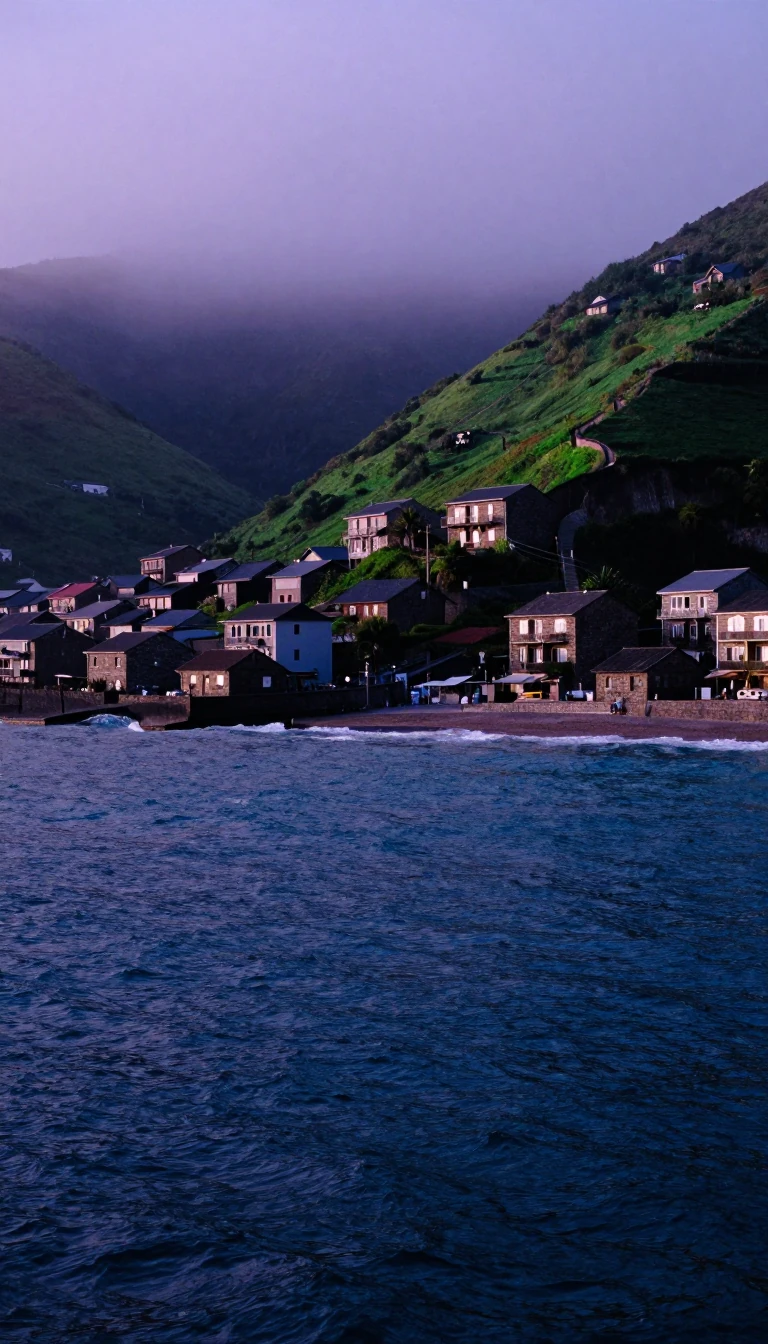
In short: Once known as Copperopolis, Swansea transformed from a quiet coastal settlement into a global industrial powerhouse. By leveraging local coal and international trade routes, this Welsh city dominated the production of refined metal, reshaping global markets and leaving behind a legacy that still defines its landscape and modern identity.
Swansea, a coastal city in south-west Wales, holds a history that stretches back to the Palaeolithic era. Archaeological evidence, including findings at Long Hole Cave and a ceremonial burial site at Paviland dated to 22,000 BC, highlights the area's ancient significance. By the 12th century, the settlement was established under Norman influence, with Henry de Beaumont constructing a castle around 1106. The city's name, likely of Old Norse origin, reflects its maritime roots at the mouth of the River Tawe.
The city's industrial zenith arrived in the 18th and 19th centuries. Following the invention of the reverberatory furnace, which allowed for the use of coal instead of expensive charcoal, Swansea became the global hub for copper smelting. Its strategic location near the South Wales coalfields and an excellent port made it more economical to ship raw ore from as far away as Africa, Australia, and the Americas than to transport coal elsewhere. At its peak in the 1850s, the city operated over 600 furnaces and maintained a fleet of 500 oceangoing vessels.
This rapid expansion earned the city the nickname Copperopolis, though the industry eventually declined in the late 1800s due to falling copper prices and the depletion of Cornish mines. The 20th century brought further challenges, including the Three Nights Blitz in 1941, which devastated the town centre. Today, the city has evolved beyond its heavy industrial past, reclaiming derelict sites for modern use while retaining its status as the second-largest city in Wales, officially designated as the City and County of Swansea.
The city's geography remains as diverse as its history, ranging from the moorlands of the Lliw uplands to the limestone cliffs of the Gower Peninsula, the first area in the United Kingdom to be named an Area of Outstanding Natural Beauty. With a 2024 estimated population of 251,304, Swansea continues to serve as a vital cultural and economic centre, balancing its ancient heritage with its modern role as a principal area of Wales.
Opens the Intellect+ feed with this card first. Swipe up for the next one.
Sources
- Summary by Intellect · source: Swansea
- Also: Wikidata — Swansea · CC0
- Also: Wikidata — Swansea · CC0
To cite this card, link to https://intellectplus.co.uk/app/places-swansea.
How we source, check and correct cards: Editorial standards.
General information, not professional advice. Spotted an error? Flag the card or see corrections and complaints.
Intellect Plus is a visual educational discovery platform for exploring fascinating facts and ideas. Brain Food, Not Brain Rot. What is Intellect Plus?
Related
More in History · Latest · A–Z · All topics
