Beyond mere furniture, the throne acts as a physical anchor for divine and secular authority.
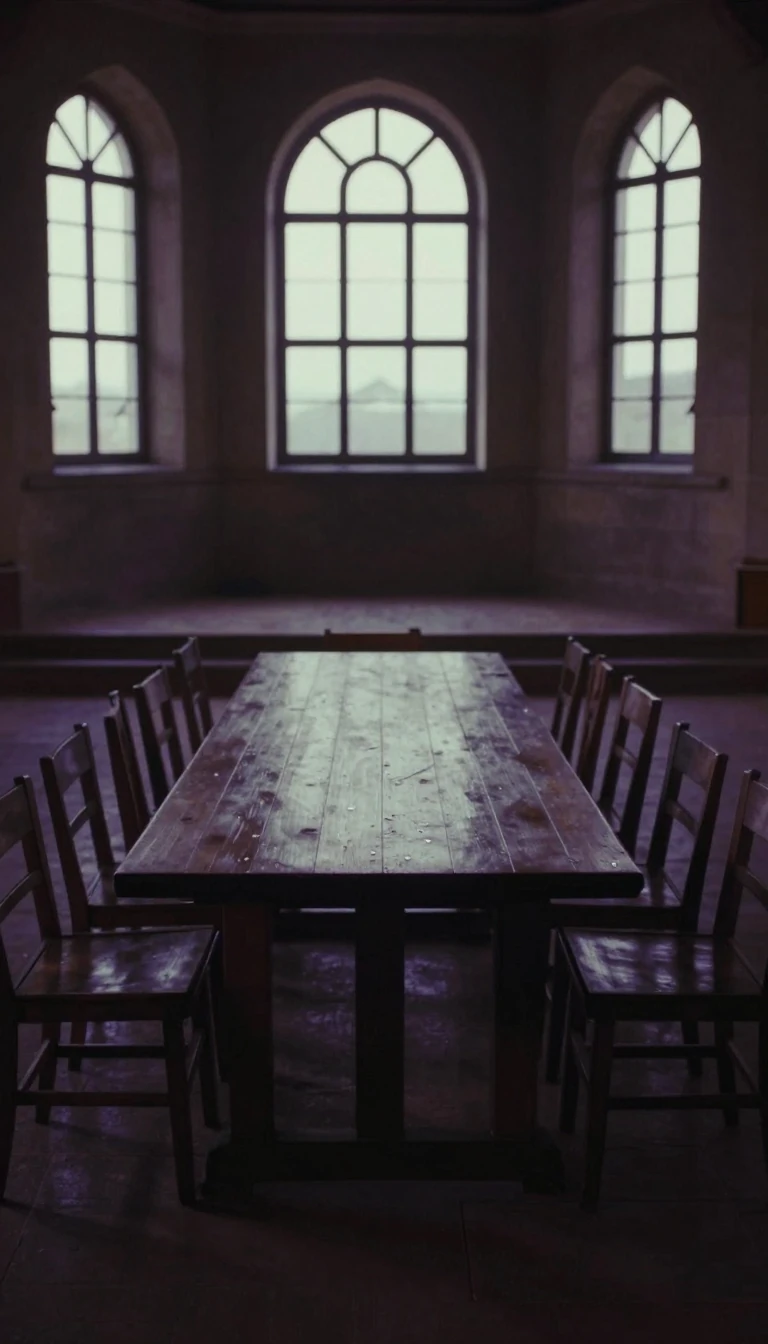
In short: A throne is far more than a chair. Whether an ornate gilded seat or a simple wooden stool, it serves as a powerful symbol of sovereignty. From the ancient gods of Greece to the modern halls of power, these elevated platforms define the very nature of rule and religious hierarchy.
The word throne originates from the Greek thronos, meaning seat or chair, derived from a Proto-Indo-European root related to support. In antiquity, these seats were not always symbols of power; for the Achaeans, empty thrones were placed in palaces and temples to invite gods to sit. As societies evolved, the throne became a defining sign of authority, often elevated on a dais or steps to physically manifest a ruler's status. This elevation is the origin of the phrase to ascend the throne.
Across cultures, thrones have served as instruments of national identity. In the Mughal Empire, the Peacock Throne was a masterpiece of luxury, while in China, the Dragon Throne represented the emperor as a living god. These seats were frequently fabricated from rare materials like gold, ivory, or walrus bone to signify the wealth and strength of a dynasty. Even when a ruler was absent, an empty throne could symbolize the enduring presence of monarchical authority, acting as a bridge between a current leader and their predecessors.
In religious contexts, the throne takes on a sacred dimension. Catholic bishops sit on a cathedra, a seat symbolizing their authority to govern and teach, which gives cathedrals their name. Similarly, many monotheistic and polytheistic traditions hold that deities themselves occupy thrones, such as the Throne of Yahweh in Abrahamic scriptures. Whether used by a secular monarch or a religious prelate, the throne remains a potent intersection of politics, philosophy, and faith, serving as a focal point for the collective identity of a people.
The design of these seats often reflects the specific ideology of the state. Thrones might feature heraldic animals, such as the lions found on Byzantine-influenced Greek Orthodox episcopal chairs or the dragon motifs exclusive to Vietnamese emperors. Whether it is the portable sedia gestatoria once used by popes or the elaborate automatons of the 10th-century Byzantine throne hall, these objects are meticulously crafted to command reverence and reinforce the legitimacy of the person seated upon them.
Opens the Intellect+ feed with this card first. Swipe up for the next one.
Sources
- Summary by Intellect · source: Throne
- Also: Wikidata — Throne · CC0
- Also: Wikidata — throne · CC0
To cite this card, link to https://intellectplus.co.uk/app/places-throne.
How we source, check and correct cards: Editorial standards.
General information, not professional advice. Spotted an error? Flag the card or see corrections and complaints.
Intellect Plus is a visual educational discovery platform for exploring fascinating facts and ideas. Brain Food, Not Brain Rot. What is Intellect Plus?
Related
More in Bodies of water · More in Countries & Cities · Latest · A–Z · All topics
