From Naval Arsenal to Luxury Yachting Hub: The Transformation of Montenegro's Youngest Coastal Town
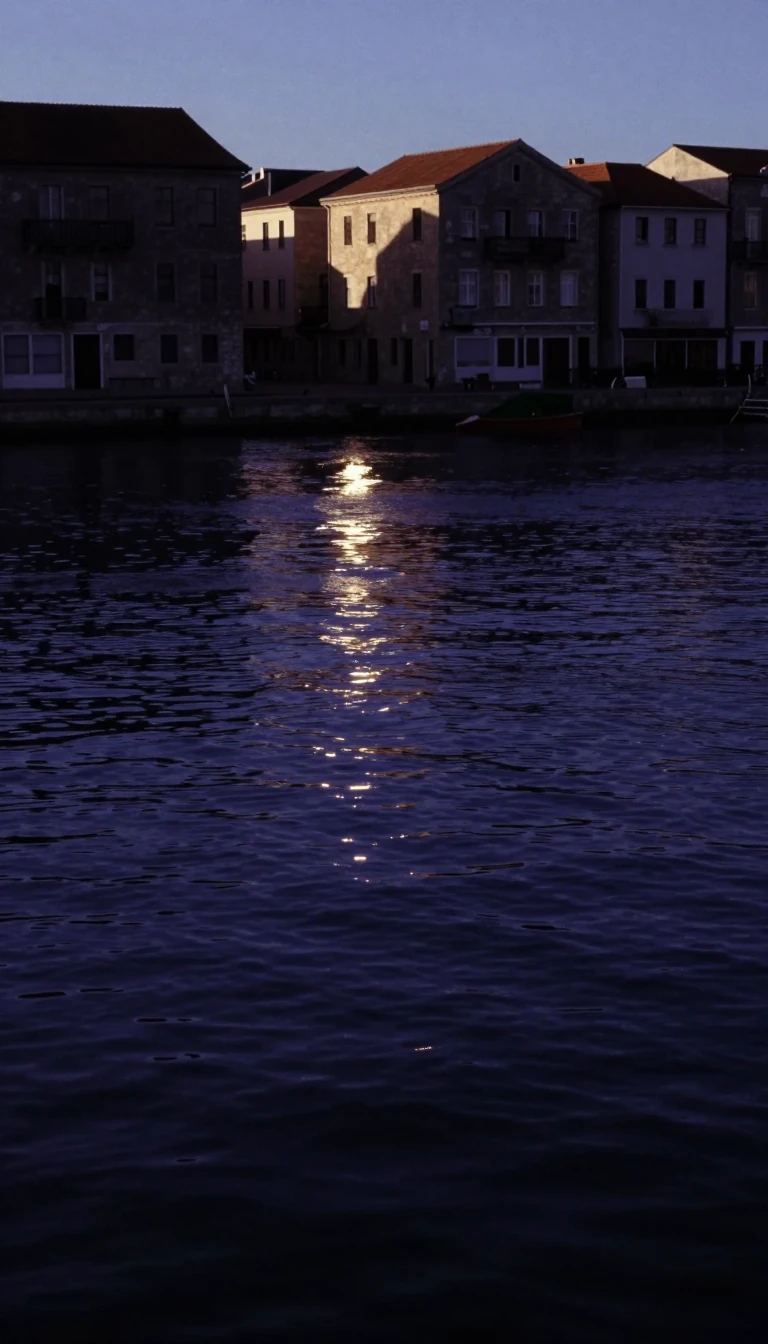
In short: Tivat, the youngest town in the Bay of Kotor, has evolved from a strategic military base into a premier nautical destination. Once home to an Austrian-built naval arsenal that served various international fleets, the town is now redefining itself through luxury tourism, modern infrastructure, and a unique, diverse cultural identity.
Tivat’s history is deeply tied to its geography and maritime utility. First mentioned in 14th-century records, the town sits at the base of the Vrmac mountain range. For centuries, its fertile lands were held by aristocrats from Kotor, Prčanj, and Dobrota. The town’s strategic position within the Bay of Kotor led to its long association with the Republic of Venice, which controlled the area from 1420 to 1797. During this period, the settlement—then known as Teodo—flourished, attracting refugees from Ottoman-held territories and developing a distinct architectural character that persists in some remaining Venetian-style buildings.
The modern identity of Tivat began to take shape in the late 19th century. In 1889, the Austrian Empire established a naval arsenal, which became the town's industrial heart. This facility remained a critical military asset through the 20th century, serving the Italian Navy, the Yugoslav People's Army, and eventually the Army of Montenegro. It even functioned as a technical maintenance and repair hub for ships from Russia and Libya. This military legacy defined the town's growth until the early 21st century, when Canadian businessman Peter Munk acquired the shipyard to develop Porto Montenegro, a luxury yachting marina and resort.
Today, Tivat is a cosmopolitan center with a population of 10,743 as of 2023. Its demographic landscape is increasingly international, shaped by historical migration and recent arrivals from Ukraine and Russia following the 2022 conflict. This diversity is reflected in the town's linguistic and religious makeup, where Montenegrin, Serbian, and Russian are spoken alongside a mix of Orthodox, Catholic, and Muslim traditions. With its modern airport—which handled over 1.3 million passengers in 2019—and its focus on nautical tourism, Tivat has successfully transitioned from a quiet, industry-focused port into a vibrant gateway for the southern Adriatic.
Opens the Intellect+ feed with this card first. Swipe up for the next one.
Sources
- Summary by Intellect · source: Tivat
- Also: Wikidata — Tivat · CC0
To cite this card, link to https://intellectplus.co.uk/app/places-tivat.
How we source, check and correct cards: Editorial standards.
General information, not professional advice. Spotted an error? Flag the card or see corrections and complaints.
Intellect Plus is a visual educational discovery platform for exploring fascinating facts and ideas. Brain Food, Not Brain Rot. What is Intellect Plus?
Related
More in Regions and country subdivisions · More in Countries & Cities · Latest · A–Z · All topics
