Bruce Springsteen turned inward on his 1987 album, exploring the complexities of mature love.
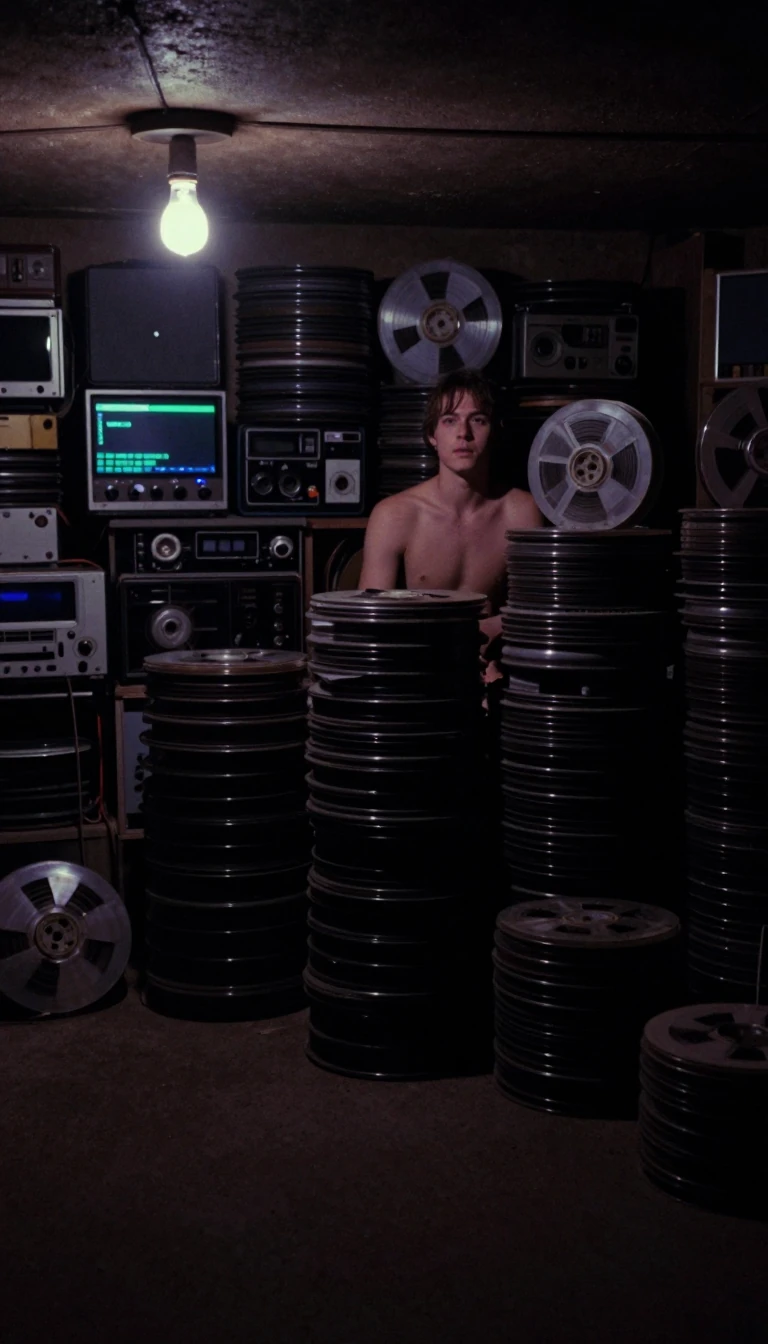
In short: Moving away from his signature arena rock anthems, Bruce Springsteen’s 1987 album Tunnel of Love captured the internal struggles of commitment and the fragility of marriage. Recorded largely solo using synthesizers and drum machines, the record remains a deeply personal, introspective work that critics often cite as his most underrated.
Released on October 9, 1987, Tunnel of Love marked a significant departure for Bruce Springsteen. While his previous work often focused on working-class narratives and grand rock anthems, this album turned toward the personal, specifically the challenges of mature relationships and the dissolution of his marriage to Julianne Phillips. Critics like Jon Pareles noted that the songwriter shifted his focus from the streets to the sheets, examining the internal demons that stifle romantic dreams. The album is frequently described as a collection of midtempo ballads and pop-rock hymns, characterized by a modern, polished production style that was distinct from his earlier, guitar-heavy sound.
The recording process was notably solitary. Although members of the E Street Band contributed to specific tracks, Springsteen recorded most of the instrumentation himself, relying on drum machines and synthesizers. This approach led to a more controlled, modest scale that some reviewers, such as Steve Pond, argued made it a pop album rather than a traditional rock record. Despite this, the album achieved significant commercial success, reaching triple Platinum status in the United States by April 1988. Singles like 'Brilliant Disguise' and 'Tunnel of Love' performed well on the charts, with the former's music video—a single, unedited shot—breaking new ground on MTV.
The legacy of the album remains a subject of critical appreciation. Steven Hyden, writing for Grantland in 2014, suggested that it stands as Springsteen’s best lyrical work, comparing its emotional weight to the stark relationship dramas of filmmaker Ingmar Bergman. While it was not officially marketed as an E Street Band album, the 1988 Tunnel of Love Express Tour brought the songs to life with expanded arrangements. Over the decades, it has maintained a respected position in music criticism, appearing on various 'greatest albums' lists, including those by Rolling Stone and Q magazine, serving as a testament to Springsteen's capacity for self-examination and artistic evolution.
Opens the Intellect+ feed with this card first. Swipe up for the next one.
Sources
- Summary by Intellect · source: Tunnel of Love (album)
- Also: Wikidata — Tunnel of Love · CC0
To cite this card, link to https://intellectplus.co.uk/app/places-tunnel-of-love-album.
How we source, check and correct cards: Editorial standards.
General information, not professional advice. Spotted an error? Flag the card or see corrections and complaints.
Intellect Plus is a visual educational discovery platform for exploring fascinating facts and ideas. Brain Food, Not Brain Rot. What is Intellect Plus?
Related
More in UK & Irish cities · More in Countries & Cities · Latest · A–Z · All topics
