Why cities are often significantly hotter than the countryside surrounding them
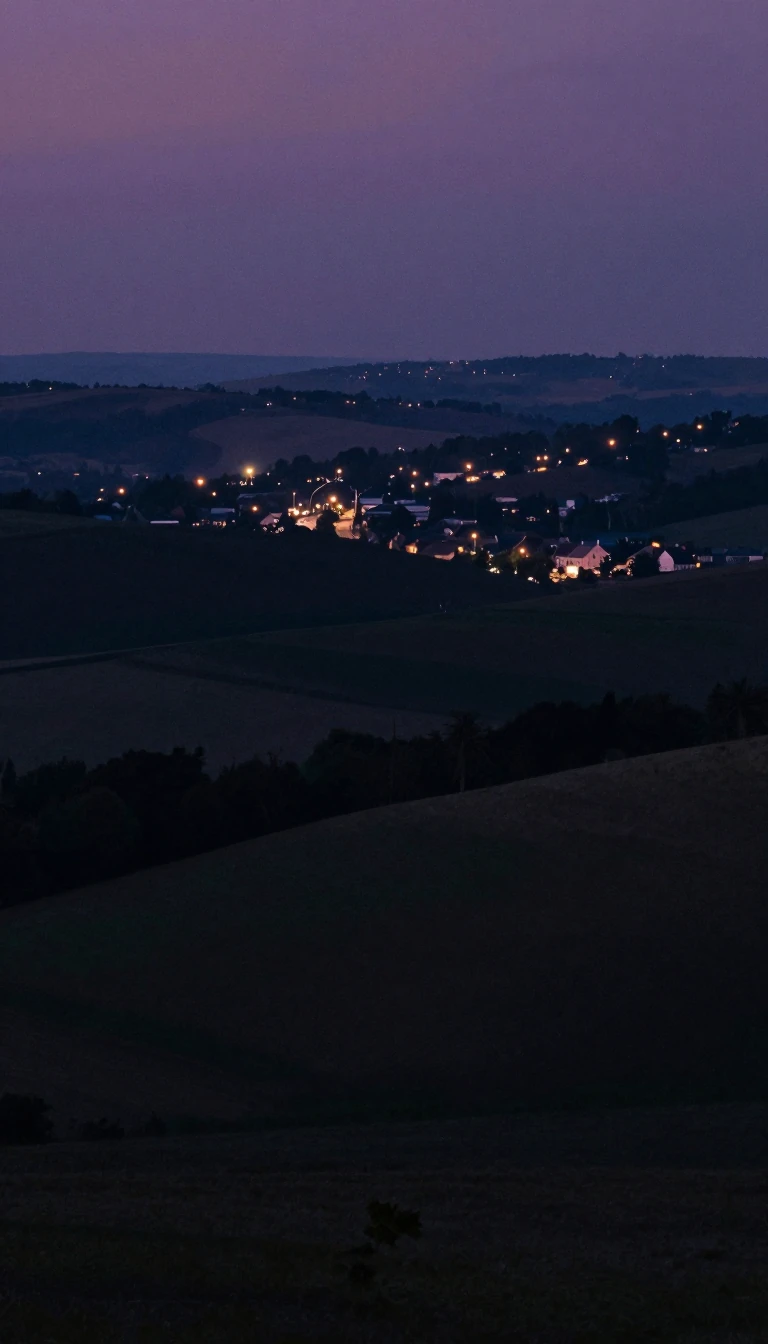
In short: Urban areas frequently act as reservoirs of heat, creating microclimates that remain warmer than nearby rural landscapes. This phenomenon, known as the urban heat island effect, is driven by human-altered surfaces and dense infrastructure, which trap solar energy during the day and release it slowly throughout the night.
The urban heat island effect occurs because cities replace natural landscapes with materials like concrete and asphalt. These substances possess high heat capacities, allowing them to absorb and store vast amounts of solar radiation during the day. While rural areas cool down efficiently after sunset, urban environments often remain stifling because buildings and street layouts block wind and trap heat near the ground. This inversion layer prevents cooling, leaving city residents without the temperature relief typically found in the countryside.
Beyond simple discomfort, this trapped heat has profound consequences for local ecosystems and human health. Stormwater running off hot city surfaces can spike the temperature of nearby streams by over 10 °C in an hour, causing thermal shock and mass fish deaths. For humans, the effect is even more severe. Extreme heat is the most lethal weather-related hazard in the United States, killing more people than floods, hurricanes, and tornadoes combined. The danger is compounded at night, as the lack of cooling prevents the body from recovering from daytime heat stress.
Inequality plays a significant role in who suffers most. Historically marginalized communities often reside in densely populated neighborhoods with minimal tree cover and high concentrations of heat-absorbing infrastructure. These residents frequently face 'space poverty' in cramped, poorly ventilated housing, making them especially vulnerable to heat-related illnesses. As climate change intensifies heat waves, the urban heat island effect acts as a powerful amplifier, turning already warm cities into dangerous environments for the elderly, children, and low-income populations who lack the resources to mitigate their exposure.
Opens the Intellect+ feed with this card first. Swipe up for the next one.
Sources
- Summary by Intellect · source: Urban heat island
- Also: Wikidata — urban heat island · CC0
- Also: Wikidata — Urban Heat Island (UHI) Effect in the Puget Sound Region: Adaptation and Biomimetic Strategies to Mitigate the Effects of Climate Change · CC0
To cite this card, link to https://intellectplus.co.uk/app/places-urban-heat-island.
How we source, check and correct cards: Editorial standards.
General information, not professional advice. Spotted an error? Flag the card or see corrections and complaints.
Intellect Plus is a visual educational discovery platform for exploring fascinating facts and ideas. Brain Food, Not Brain Rot. What is Intellect Plus?
Related
More in Cities · More in Countries & Cities · Latest · A–Z · All topics
