Urban renewal: A quest to fix city decay or a tool for displacement?
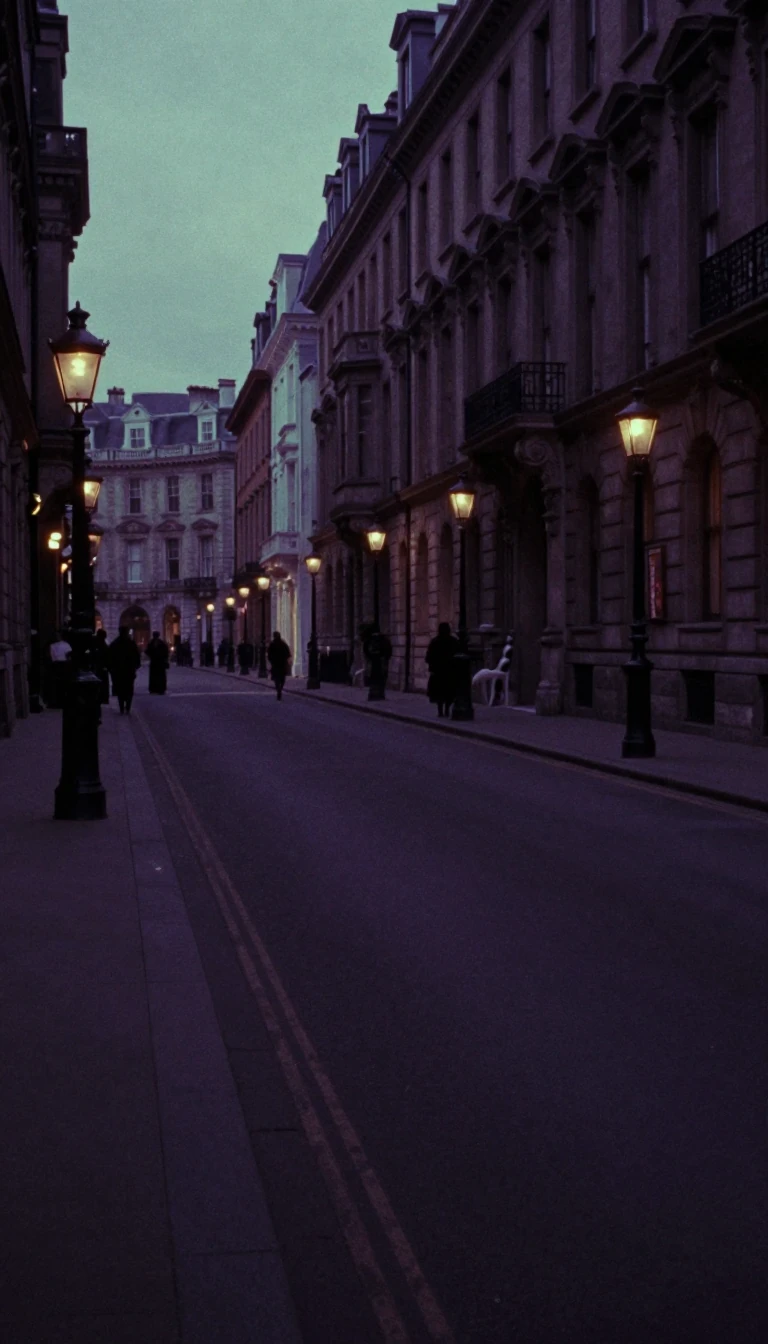
In short: Urban renewal aims to revitalize aging neighborhoods by upgrading infrastructure and clearing blight. While these initiatives promise economic growth and modern living, they frequently trigger the displacement of vulnerable communities. From nineteenth-century Paris to modern global hubs, the practice remains a contentious balance between progress and the preservation of heritage.
The concept of urban renewal emerged in the nineteenth century as a social reform movement, initially targeting the cramped, unsanitary conditions of the urban poor. Early state-led efforts, such as Haussmann’s renovation of Paris in 1853, prioritized aesthetics and efficiency. By the late 1940s, the focus shifted toward post-WWII reconstruction, where functionalist principles led to the demolition of older neighborhoods in favor of high-rise housing and expanded road networks. In the United States, the Housing Act of 1949 became a primary vehicle for slum clearance, often targeting dense minority neighborhoods. The results were mixed: while some areas saw new development, others were left as vacant land or surface parking lots after planned projects failed to materialize.
Modern urban renewal has evolved to emphasize economic revitalization, social regeneration, and environmental sustainability. Today, stakeholders known as culturepreneurs often collaborate with governments to transform underutilized sites into vibrant public venues, such as pop-up cultural spaces or urban parks. These projects frequently leverage economic incentives like tax increment financing or land value capture to attract private investment. However, critics argue that these efforts often mask gentrification, where rising property values force out long-standing residents. In some cases, such as the 2005 Kelo v. City of New London ruling, eminent domain has allowed the state to transfer private property to other private entities, further complicating the ethics of redevelopment.
Global approaches vary significantly. In China, rapid urbanization has shifted from large-scale sprawl toward micro-renovation and ecological restoration. Israel utilizes programs like TAMA 38 to retrofit aging tenement buildings for earthquake safety and modern standards, while Hong Kong continues to consolidate property interests to address land shortages. Despite these diverse strategies, the core tension remains: the state’s vision for a world-class city often clashes with the needs of existing communities. Whether through the destruction of historic fabric or the creation of exclusive, high-end districts like Buenos Aires’ Puerto Madero, urban renewal continues to reshape the social and physical landscape of the modern world.
Opens the Intellect+ feed with this card first. Swipe up for the next one.
Sources
- Summary by Intellect · source: Urban renewal
- Also: Wikidata — urban renewal · CC0
- Also: Wikidata — Urban Renewal · CC0
To cite this card, link to https://intellectplus.co.uk/app/places-urban-renewal.
How we source, check and correct cards: Editorial standards.
General information, not professional advice. Spotted an error? Flag the card or see corrections and complaints.
Intellect Plus is a visual educational discovery platform for exploring fascinating facts and ideas. Brain Food, Not Brain Rot. What is Intellect Plus?
Related
More in Society · Latest · A–Z · All topics
