Why did Neil Armstrong name a remote Bolivian canyon after the moon?
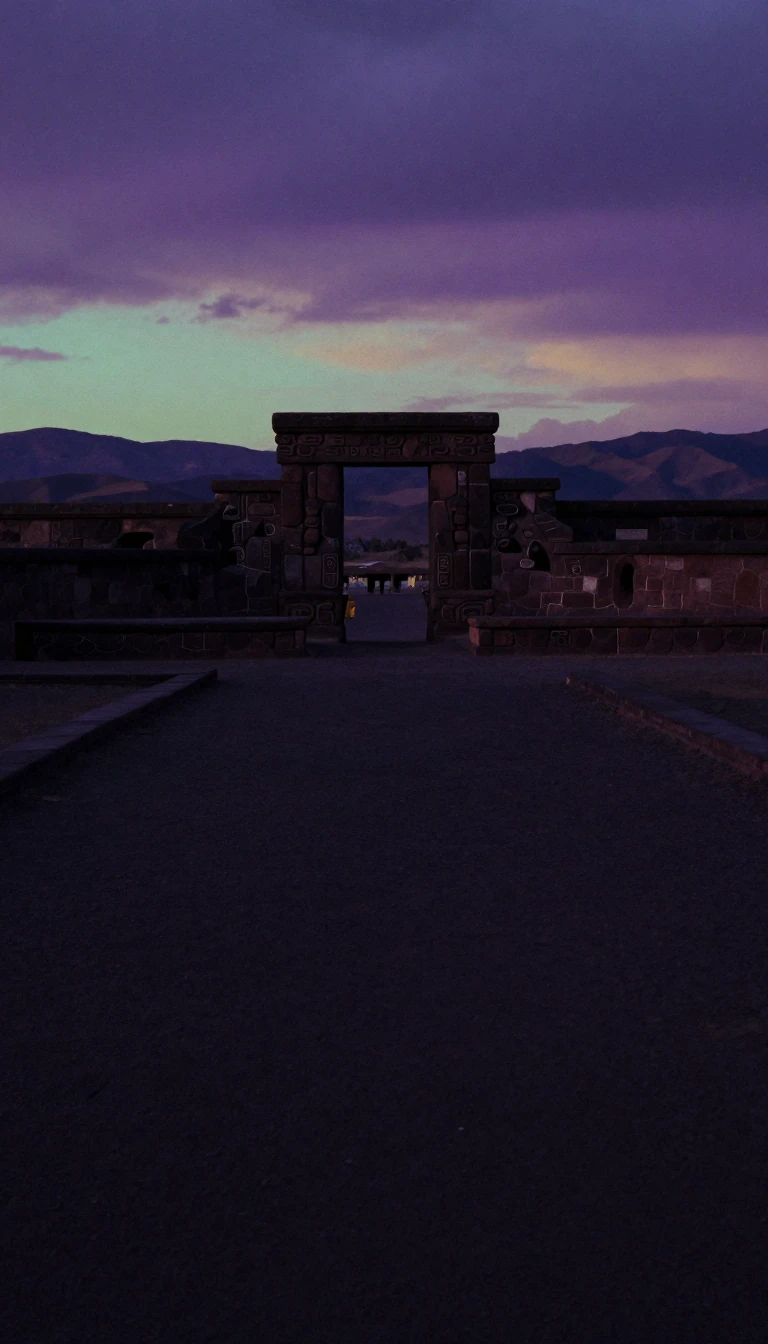
In short: Ten kilometers south of La Paz lies a surreal landscape of clay spires and craters. This protected municipal area, known as Valle de la Luna, earned its celestial moniker from Neil Armstrong himself. Following his 1969 lunar mission, the astronaut visited this eroded desert, forever linking the Andes to space.
Valle de la Luna, or Killa Qhichwa, spans 15 hectares between Mallasa and Aranjuez in the Pedro Domingo Murillo Province. Unlike typical mountain ranges formed of solid rock, this terrain is composed primarily of sandstone and clay. Over time, relentless erosion has carved the soft earth into a labyrinth of ditches, caves, and towering chimneys that resemble a desert of stalagmites.
The visual experience of the valley is defined by its dramatic mineral composition. Because the mineral content varies significantly between individual formations, the mountains display a spectrum of colors ranging from light beige and brown to deep red and dark violet. These variations create striking optical illusions that have long captivated observers, including the Bolivian painter Cecilio Guzmán de Rojas, who featured the landscape in his work.
Beyond its geological oddities, the valley serves as a unique cultural and ecological hub. It supports wildlife adapted to the semiarid Andean climate, such as viscachas and lizards, alongside hardy cacti and thorny bushes. The site is also a center for local tradition and modern spectacle; it hosts annual Day of the Dead celebrations on November 2 and Saint John's Eve events on June 23. In recent years, the municipality has leaned into its cosmic reputation, hosting symphony performances and constructing large-scale Star Wars spaceship replicas to celebrate the site's otherworldly aesthetic.
The valley is frequently compared to El Valle de las Ánimas, another nearby geological wonder in La Paz. While the area was already a striking natural feature, local authorities strategically leveraged Armstrong's 1969 visit to elevate the site's profile, successfully transforming a local curiosity into a globally recognized landmark. Today, it remains a testament to how natural erosion, when combined with human narrative, can create a space that feels truly extraterrestrial.
Opens the Intellect+ feed with this card first. Swipe up for the next one.
Sources
- Summary by Intellect · source: Valle de la Luna (Bolivia)
To cite this card, link to https://intellectplus.co.uk/app/places-valle-de-la-luna-bolivia.
How we source, check and correct cards: Editorial standards.
General information, not professional advice. Spotted an error? Flag the card or see corrections and complaints.
Intellect Plus is a visual educational discovery platform for exploring fascinating facts and ideas. Brain Food, Not Brain Rot. What is Intellect Plus?
Related
More in Land relief · More in Countries & Cities · Latest · A–Z · All topics
