Is this ancient Thai temple older than its own founding legends claim?
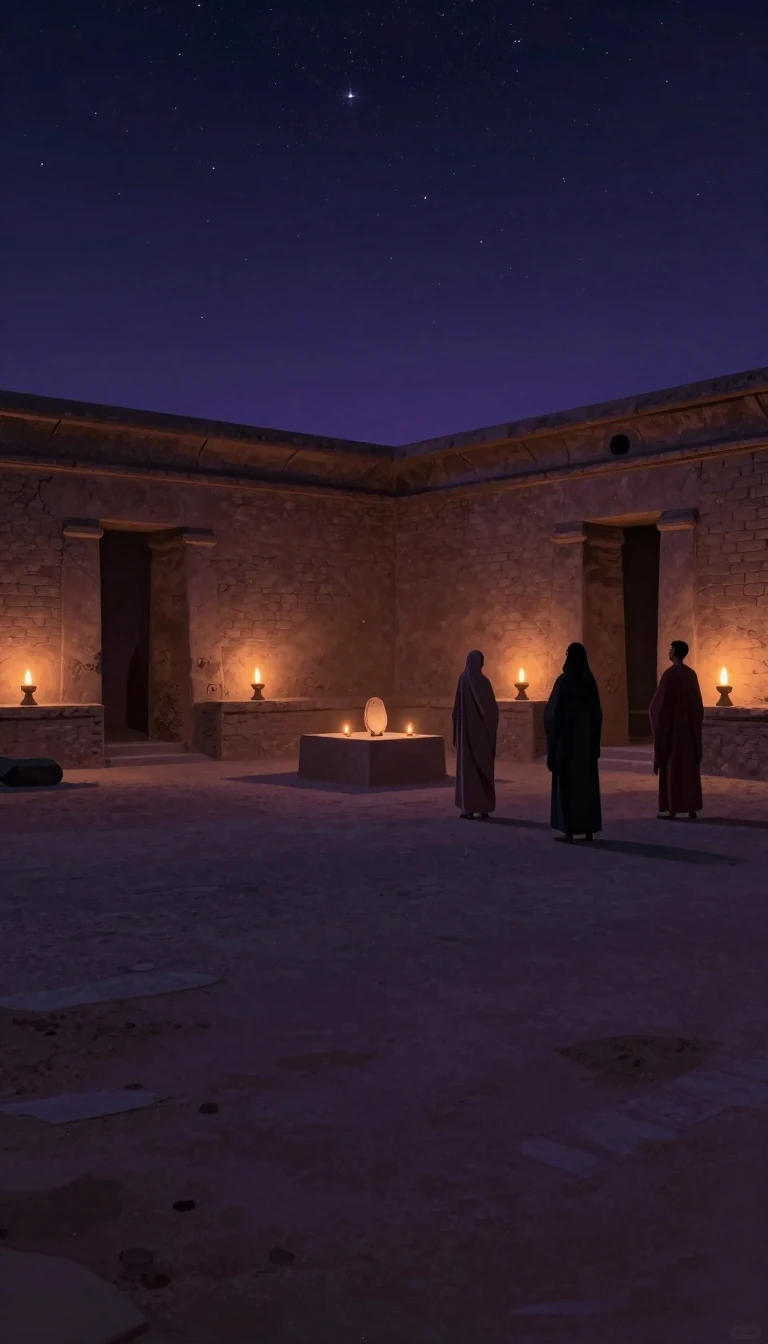
In short: Wat Phra Mahathat in southern Thailand is a monumental Buddhist site, but modern science suggests its origins predate the local chronicles. While legends attribute the temple to a 13th-century king, recent excavations and thermoluminescence dating reveal a much deeper, more complex history hidden beneath the gilded stupa.
Wat Phra Mahathat Woramahawihan, the primary Buddhist temple of Nakhon Si Thammarat, has served as a religious center for over 1,500 years. The site sits on land that once hosted Hindu shrines between the 5th and 8th centuries. While local chronicles claim the main stupa, Phra Borommathat Chedi, was established in the early 13th century by King Sri Dhammasokaraja to anchor Theravada Buddhism, archaeological evidence challenges this timeline. Excavations conducted in 2016 by the Fine Arts Department returned dating ranges as early as 846–958 CE, suggesting the monument’s foundations are significantly older than the traditional accounts imply.
The temple’s architecture is a dense symbolic map of Buddhist philosophy. The 78-meter-tall complex features a bell-shaped stupa surrounded by 22 stucco elephants representing spiritual faculties, while its 52-ring spire symbolizes mental factors. The proportions of the stupa—28 wa in height to 14 wa in width—are intentionally calibrated to represent 28 corporeality aspects and 14 functions of consciousness. This design reflects a deep synthesis of Sri Lankan artistic influence and local tradition, intended to solidify the city’s role as a regional hub for Theravada practice.
The chronicles themselves are now viewed by scholars like Wannasarn Noonsuk as cultural artifacts rather than strict historical records. These texts, likely composed by local monks between the 17th and 19th centuries, were heavily influenced by Sri Lankan sources like the Dāṭhāvaṁsa. Rather than dismissing these stories, researchers study them to understand the worldview of the people who maintained the site. Today, the temple remains a living monument, hosting the annual Hae Pha Khuen That festival, where a long robe is wrapped around the stupa, a tradition believed to have begun in 1230.
The site’s significance was formally recognized in 2026 when it was inscribed as a UNESCO World Heritage Site. Beyond its religious function, the temple has served as a symbol of regional identity, appearing on Thai currency and inspiring the creation of popular amulets. It remains a testament to the enduring influence of the Tambralinga kingdom and the subsequent patronage of the Ayutthaya Kingdom, which helped shape the site into the cultural landmark it is today.
Opens the Intellect+ feed with this card first. Swipe up for the next one.
Sources
- Summary by Intellect · source: Wat Phra Mahathat
- Also: Wikidata — Wat Phra Mahathat · CC0
- Also: Wikidata — Wat Mahathat · CC0
To cite this card, link to https://intellectplus.co.uk/app/places-wat-phra-mahathat.
How we source, check and correct cards: Editorial standards.
General information, not professional advice. Spotted an error? Flag the card or see corrections and complaints.
Intellect Plus is a visual educational discovery platform for exploring fascinating facts and ideas. Brain Food, Not Brain Rot. What is Intellect Plus?
Related
More in Buddhism · More in History · Latest · A–Z · All topics
