Before the mechanical era, civilizations measured the passage of time by stealing water.
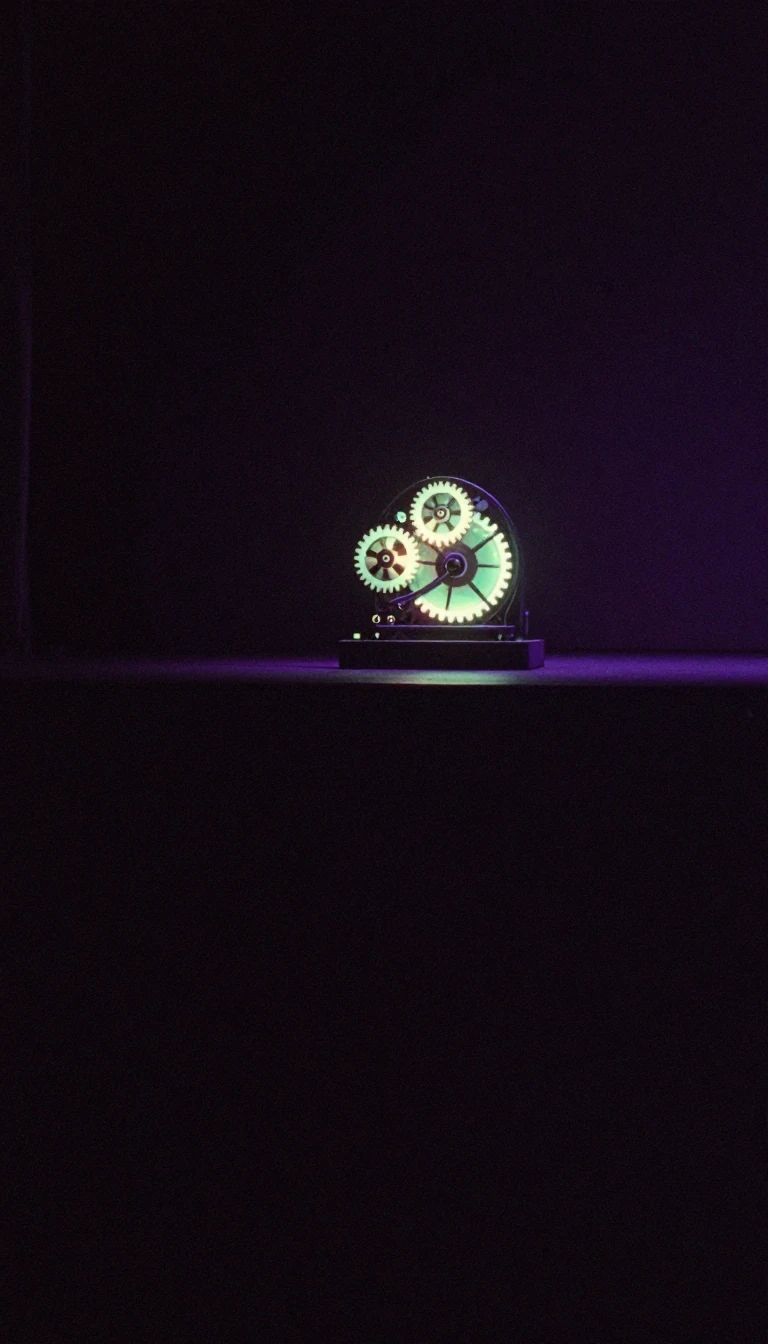
In short: Known as the clepsydra, or water thief, this ancient device tracked time by regulating the flow of liquid into or out of a vessel. Used from Babylon to China, these clocks were essential for everything from timing courtroom speeches and medical pulses to managing irrigation rights and astronomical observations.
The water clock, or clepsydra, represents one of humanity's oldest methods for tracking time. While early versions appeared in regions like Babylon, Egypt, and Persia as far back as the 16th century BC, their design evolved significantly across cultures. The simplest models were stone or earthenware vessels that drained water through a small hole, with markings inside to indicate the passage of hours. Because the flow rate naturally slows as the water level drops, engineers eventually developed sophisticated solutions, such as vessels with sloping sides or interconnected tanks, to maintain a more constant pressure and consistent flow.
Beyond simple timekeeping, these devices became marvels of early automation. By the 1st century AD, Greek and Roman designers were incorporating gears, dials, and feedback systems to create elaborate displays. In the medieval Islamic world, engineers like Al-Jazari pushed this technology further, creating programmable devices like the 1206 castle clock, which featured moving mannequins and musical automata. Similarly, in China, inventors like Zhang Heng and later Su Song integrated water wheels and escapement mechanisms into massive astronomical clock towers, while in Korea, the 1434 Borugak water clock introduced a dual-time system that could announce time both visually and audibly.
Despite their ingenuity, water clocks faced physical limitations, primarily the impact of temperature on water viscosity. As temperatures fluctuate, the speed of water flow changes, which could lead to significant daily errors if not carefully calibrated. To mitigate this, ancient users frequently reset their clocks against sundials. Even with these challenges, the clepsydra remained a vital tool for millennia. It served practical needs, such as managing irrigation in arid Persian landscapes, and scientific ones, such as Galileo’s use of a mercury-based version to time falling bodies, before eventually being superseded by mechanical clocks in Europe around 1300.
Opens the Intellect+ feed with this card first. Swipe up for the next one.
Sources
- Summary by Intellect · source: Water clock
- Also: Clepsydra | Water Clock, Ancient Timepiece, & Sundial | Britannica
- Also: Wikidata — water clock · CC0
- Also: Wikidata — Water clock · CC0
To cite this card, link to https://intellectplus.co.uk/app/places-water-clock.
How we source, check and correct cards: Editorial standards.
General information, not professional advice. Spotted an error? Flag the card or see corrections and complaints.
Intellect Plus is a visual educational discovery platform for exploring fascinating facts and ideas. Brain Food, Not Brain Rot. What is Intellect Plus?
Related
More in Basics · More in Countries & Cities · Latest · A–Z · All topics
