How New York City's pedestrian bridges evolved to reconnect a fractured urban landscape
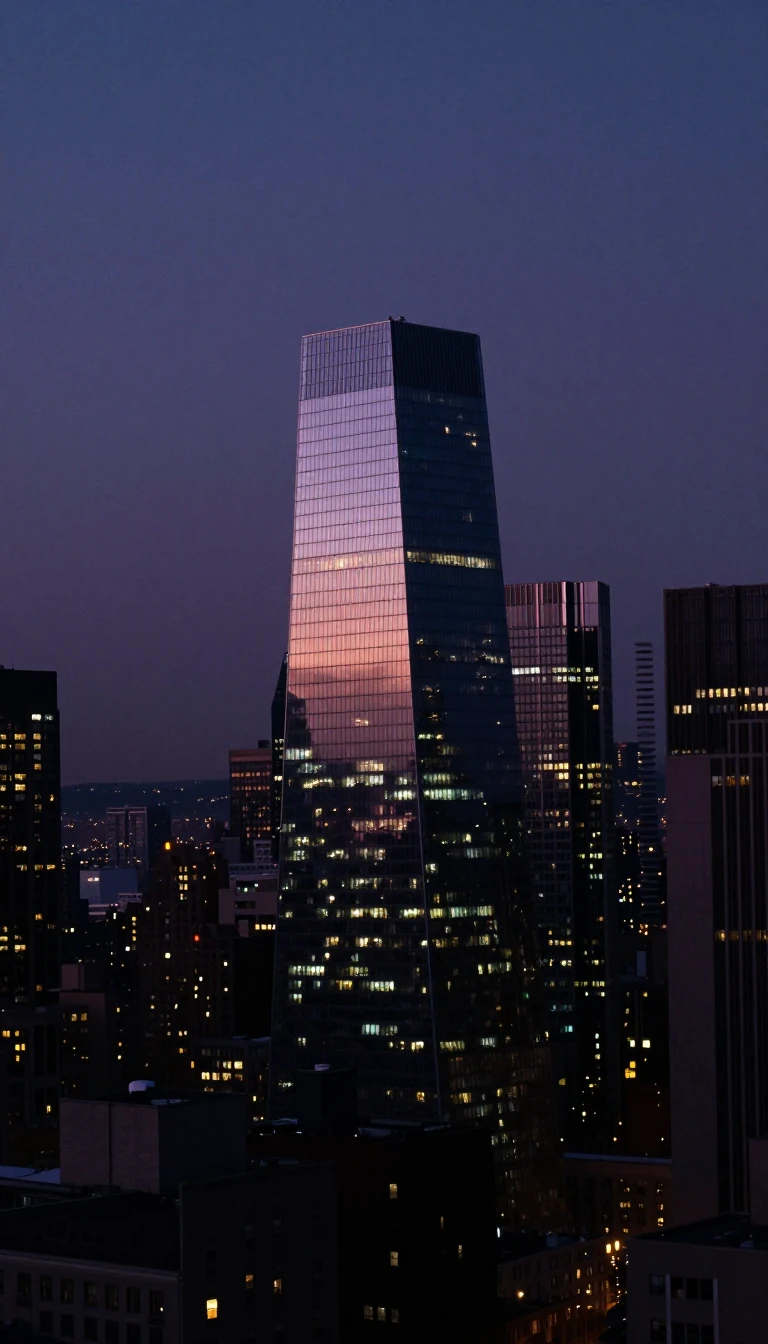
In short: Following the destruction of the World Trade Center, the West Street pedestrian bridges became vital lifelines for Lower Manhattan residents. These structures, ranging from temporary steel trusses to permanent architectural landmarks, illustrate the complex challenge of balancing rapid urban recovery with the long-term needs of a changing city.
The West Street pedestrian bridges serve as essential links between the neighborhoods of Tribeca, the Financial District, and Battery Park City. Before the September 11 attacks, three primary bridges—Chambers, Vesey, and Liberty—facilitated movement across the busy thoroughfare. The collapse of the Twin Towers fundamentally altered this network, destroying the original North Bridge at Vesey Street and severely damaging the South Bridge at Liberty Street. In the immediate aftermath, the city faced the urgent task of restoring safe passage for residents, leading to the rapid deployment of temporary infrastructure.
The Rector Street Bridge, designed by SHoP Architects and opened in 2002, emerged as a critical temporary solution. Built from a steel box truss system, it was intended to be a stopgap, yet it remained a fixture of the neighborhood for 17 years. Its evolution included a 2009 renovation that replaced the original truss with a canopy, though the project faced public scrutiny when its elevators failed upon opening. Despite local advocacy to maintain the bridge, it was ultimately demolished in 2020 following the completion of the permanent West Thames Street Bridge.
The West Thames Street Bridge, officially named the Robert R. Douglass Bridge, represents the modern approach to this connectivity. Completed in late 2019, the two-span lenticular truss structure was designed by WXY Architecture and Thornton Tomasetti. Its construction was marked by significant financial and logistical hurdles, with costs rising from an estimated $27.5 million in 2015 to $45.1 million by 2016. The bridge honors Robert R. Douglass, a key figure in Lower Manhattan's development, and stands as a testament to the area's long-term recovery efforts. Today, these bridges, along with underground alternatives like the World Trade Center Transportation Hub's West Concourse, continue to define the pedestrian experience in Lower Manhattan.
Opens the Intellect+ feed with this card first. Swipe up for the next one.
Sources
- Summary by Intellect · source: West Street pedestrian bridges
To cite this card, link to https://intellectplus.co.uk/app/places-west-street-pedestrian-bridges.
How we source, check and correct cards: Editorial standards.
General information, not professional advice. Spotted an error? Flag the card or see corrections and complaints.
Intellect Plus is a visual educational discovery platform for exploring fascinating facts and ideas. Brain Food, Not Brain Rot. What is Intellect Plus?
Related
More in Bodies of water · More in Countries & Cities · Latest · A–Z · All topics
