When bone tissue dies from blood loss, the skeleton begins to collapse from within
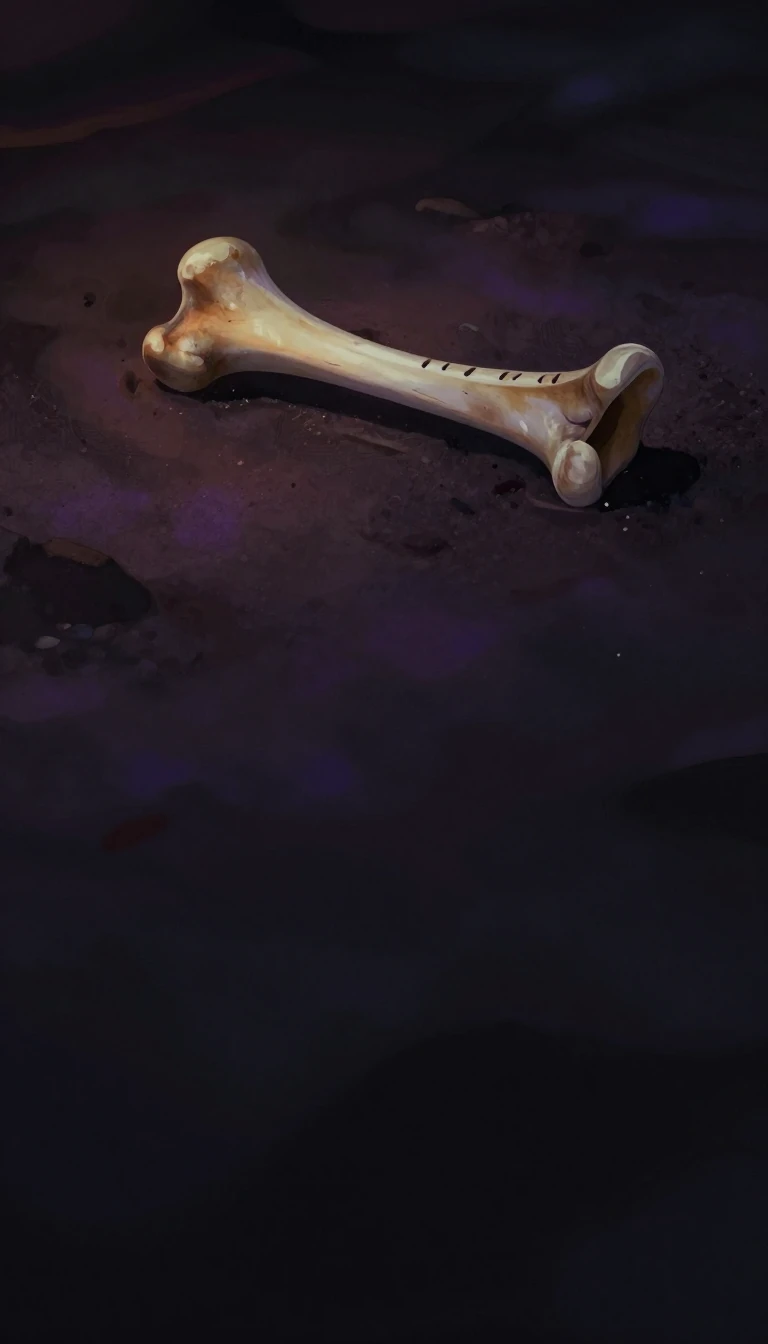
In short: Avascular necrosis, or bone infarction, occurs when blood supply to bone tissue is interrupted, causing cells to die. Often striking people in their prime, this condition can lead to joint collapse and chronic pain. While the femur is most commonly affected, the disease can strike any bone in the body.
Avascular necrosis is a degenerative condition triggered by the cessation of blood flow to bone tissue. Without oxygen, hematopoietic cells perish within 12 hours, followed by bone cells within 48 hours, and marrow fat cells within five days. This process is often linked to fractures, dislocations, alcoholism, and high-dose steroid use, though it can also arise without a clear cause. Other risk factors include radiation therapy, chemotherapy, and systemic conditions like lupus, HIV, or sickle cell disease.
The disease is most prevalent in individuals aged 30 to 50, with males affected more frequently than females. In the United States, between 10,000 and 20,000 people develop avascular necrosis of the femoral head annually. While early stages often present no symptoms and appear normal on X-rays, the condition eventually manifests as joint pain and limited mobility. If left untreated, the bone structure weakens and collapses, leading to secondary arthritis.
Treatment strategies vary based on the severity and location of the damage. Common interventions include medication, physical therapy, and surgical procedures such as core decompression or joint replacement. However, total hip replacements, while effective for older patients, pose challenges for younger individuals due to the limited lifespan of the implants. Emerging research explores the use of nucleated bone marrow cells to halt progression, though further study is required to validate these techniques.
The impact of the disease is significant, as evidenced by its effect on high-profile athletes like Bo Jackson, whose career ended in 1991, and Floyd Landis. Interestingly, the condition is not limited to humans; even sperm whale skeletons exhibit signs of damage consistent with decompression-related osteonecrosis. Understanding the delicate balance of bone resorption and repair remains critical, as the body’s natural healing process is often overwhelmed by the rapid breakdown of necrotic tissue.
Opens the Intellect+ feed with this card first. Swipe up for the next one.
Sources
- Summary by Intellect · source: Avascular necrosis
To cite this card, link to https://intellectplus.co.uk/app/science-avascular-necrosis.
How we source, check and correct cards: Editorial standards.
General information, not professional advice. Spotted an error? Flag the card or see corrections and complaints.
Intellect Plus is a visual educational discovery platform for exploring fascinating facts and ideas. Brain Food, Not Brain Rot. What is Intellect Plus?
Related
More in Health · Latest · A–Z · All topics
