Why your body must dismantle sugar before it can fuel your daily life
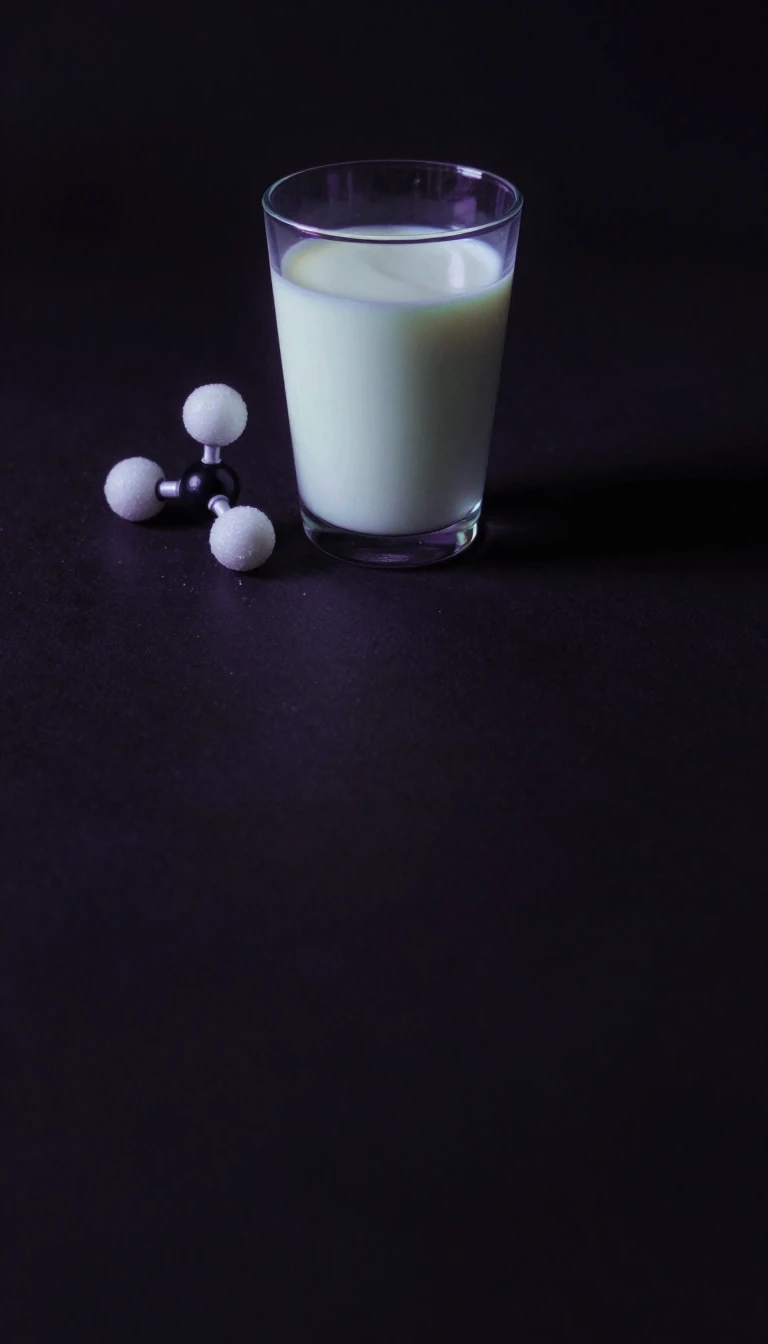
In short: A disaccharide is a crystalline, water-soluble compound formed by linking two simple sugars. While these double sugars are essential for energy, your body cannot use them in their combined state. Before they can power your activities, they must be broken down into their individual monosaccharide components through enzymatic hydrolysis.
Disaccharides represent one of the four primary classifications of carbohydrates. These molecules are formed when two monosaccharides—simple sugars like glucose, fructose, or galactose—undergo a condensation reaction. During this process, a water molecule is eliminated, and the two units are joined by a chemical structure known as a glycosidic bond. Because this synthesis removes water, the reaction is often referred to as dehydration synthesis.
The three most common disaccharides are sucrose, lactose, and maltose. Sucrose, or table sugar, is a combination of glucose and fructose, typically sourced from sugar beets or cane. Lactose, or milk sugar, consists of galactose and glucose, while maltose is formed from two glucose molecules. These sugars are not merely fuel; they are also categorized by their chemical reactivity. Reducing disaccharides, such as lactose and maltose, possess a free hemiacetal unit, whereas non-reducing disaccharides like sucrose lack this feature, which may provide them with greater stability during storage.
To access the energy stored within these bonds, living organisms must reverse the formation process. This requires hydrolysis, a reaction that consumes a water molecule to split the disaccharide back into its constituent monosaccharides. This breakdown is facilitated by specific enzymes known as disaccharidases, such as sucrase, lactase, and maltase. Without this precise enzymatic intervention, the energy locked within the chemical bonds of these double sugars remains inaccessible to the organism, highlighting the vital role of metabolic chemistry in turning simple plant-derived compounds into biological fuel.
Opens the Intellect+ feed with this card first. Swipe up for the next one.
Sources
- Summary by Intellect · source: Disaccharide | Definition, Examples, & Facts | Britannica
- Also: Disaccharide
To cite this card, link to https://intellectplus.co.uk/app/science-disaccharide.
How we source, check and correct cards: Editorial standards.
General information, not professional advice. Spotted an error? Flag the card or see corrections and complaints.
Intellect Plus is a visual educational discovery platform for exploring fascinating facts and ideas. Brain Food, Not Brain Rot. What is Intellect Plus?
Related
More in Health · Latest · A–Z · All topics
