Was schizophrenia a normal response to a dysfunctional world, or a dangerous psychiatric myth?
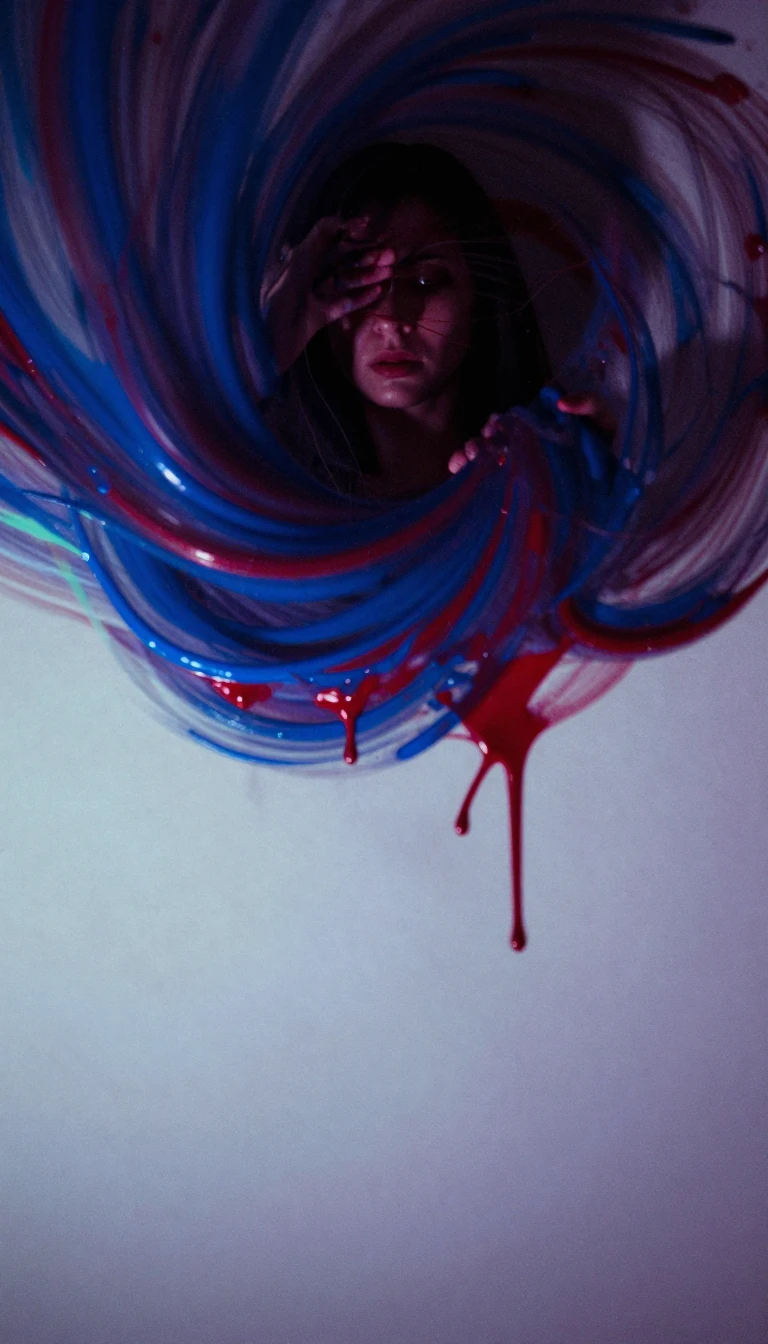
In short: Scottish psychiatrist R. D. Laing challenged the medical establishment by arguing that psychosis was a meaningful, albeit enigmatic, attempt to communicate distress. Rather than viewing mental illness as a biological defect, he suggested that madness was often a rational adjustment to an impossible, dysfunctional social environment.
Born in Glasgow in 1927, R. D. Laing became a polarizing figure in mid-20th-century psychiatry. While working at the Tavistock Clinic in London from 1956 to 1964, he grew increasingly critical of the prevailing medical orthodoxy, which relied heavily on electroconvulsive therapy and chemical interventions. Laing argued that these methods were founded on a false epistemology, as they treated mental states biologically without first establishing the underlying pathologies through traditional diagnostic procedures.
Laing’s most radical proposition was that schizophrenia was not necessarily a disease, but a transformative experience—a shamanic journey of sorts. In his 1960 work, The Divided Self, he explored how individuals who felt ontologically insecure might develop complex strategies to protect their identity. He drew on the 'double bind' theory, which suggests that conflicting messages from family members can trigger psychological distress. Laing expanded this into his own concept of the 'incompatible knot,' describing the complex, often suffocating dynamics within the family unit that he believed cultivated madness.
In 1965, Laing co-founded the Philadelphia Association and established Kingsley Hall, a therapeutic community where patients and therapists lived together without the rigid hierarchies of traditional hospitals. Despite his influence, Laing’s personal life was marked by turbulence, including struggles with alcoholism and depression. His legacy remains contested; while some celebrate him as a pioneer who humanized the experience of the mentally ill, others point to his controversial methods and the irony of a family psychiatrist who was often estranged from his own children. He died in 1989 at age 61, leaving behind a body of work that continues to challenge how society defines sanity.
Laing’s rejection of the 'medical model' of mental illness put him at odds with his peers, yet his ideas resonated deeply within the counterculture of the 1960s and 70s. By valuing the content of psychotic speech as a valid expression of personal suffering, he forced a re-evaluation of the locus of disease, shifting the focus from the individual's brain to the social cradle of the urban home.
Opens the Intellect+ feed with this card first. Swipe up for the next one.
Sources
- Summary by Intellect · source: R. D. Laing
To cite this card, link to https://intellectplus.co.uk/app/science-r-d-laing.
How we source, check and correct cards: Editorial standards.
General information, not professional advice. Spotted an error? Flag the card or see corrections and complaints.
Intellect Plus is a visual educational discovery platform for exploring fascinating facts and ideas. Brain Food, Not Brain Rot. What is Intellect Plus?
Related
More in Psychiatry · More in Health · Latest · A–Z · All topics
