Why the legal definition of arson has shifted from protecting homes to punishing fire.
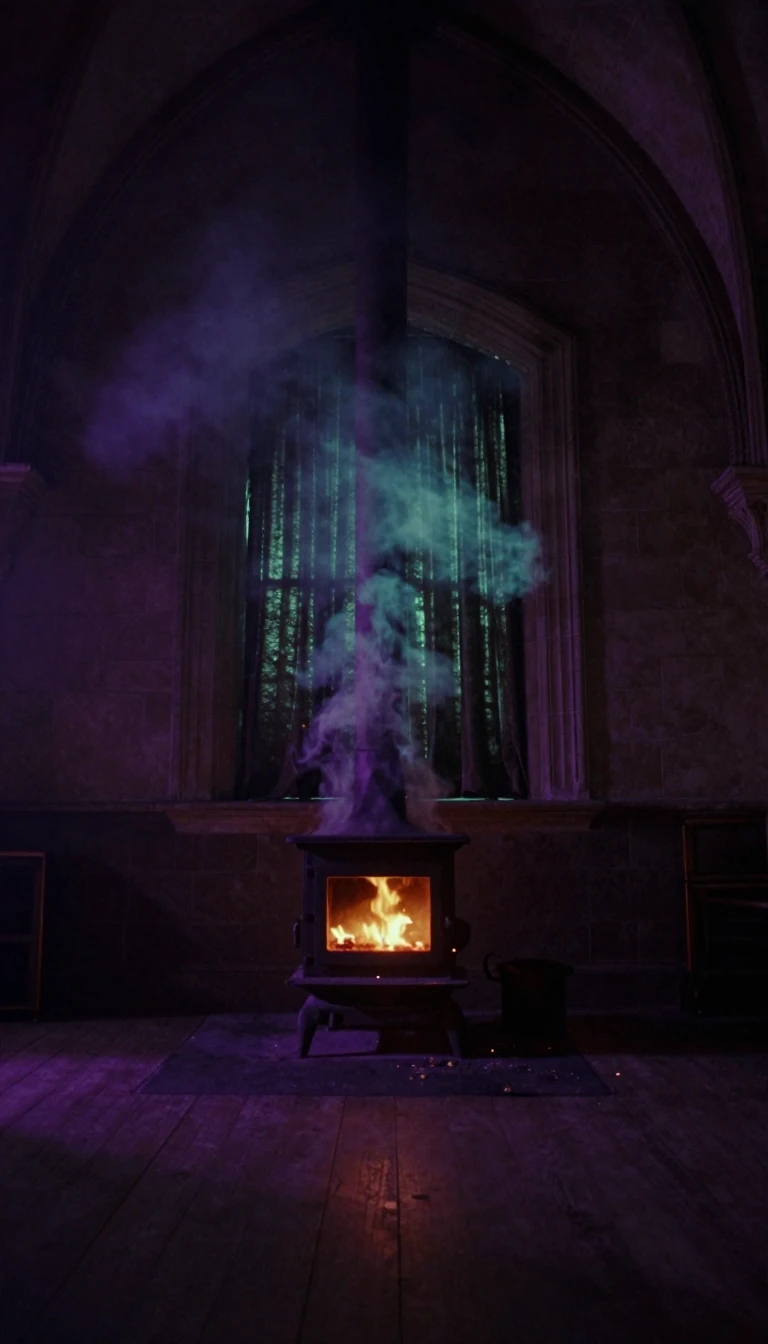
In short: Arson is more than just setting a fire; it is a complex crime with roots in medieval law. While once strictly defined as the malicious burning of a dwelling, modern statutes have expanded to cover everything from insurance fraud to acts of war, with penalties ranging from fines to life imprisonment.
Historically, common law arson was narrowly defined as the malicious burning of another person's dwelling. This focus on habitation meant that burning an unoccupied house or even one's own property did not technically constitute the crime. In England and Wales, this common law definition persisted until the Criminal Damage Act 1971, which abolished the old standard and redefined arson as criminal damage committed by fire, regardless of whether the property is a residence.
The motivations behind arson are as varied as the legal systems that prosecute them. While some acts are driven by financial gain—such as the 2019 California insurance fraud scheme that netted $4 million—others are rooted in revenge, political protest, or even hero syndrome among firefighters. In extreme cases, such as the Myanmar civil war, arson is used as a systematic weapon of war. Between the 2021 coup and August 2022, military forces burned over 28,000 houses to drive out combatants.
Legal systems worldwide handle these acts with varying degrees of severity. In the United States, many states categorize arson by degree, often based on whether the structure was occupied or the extent of property damage. California, for instance, allows for life sentences in cases of aggravated arson, a penalty notably applied to Raymond Lee Oyler, who was sentenced to death for a 2006 wildfire that killed five firefighters. Conversely, Scotland lacks a specific 'arson' statute, instead prosecuting such acts under charges like wilful fire-raising or culpable and reckless conduct.
Distinguishing between arson and reckless burning remains a critical challenge for investigators. The 2020 El Dorado fire, triggered by a smoke bomb at a gender reveal party, highlights this nuance; the incident resulted in the death of firefighter Charles Morton and led to involuntary manslaughter charges rather than arson. As forensic techniques improve, the ability to identify accelerants and determine intent continues to shape how these destructive acts are prosecuted in courts globally.
Opens the Intellect+ feed with this card first. Swipe up for the next one.
Sources
- Summary by Intellect · source: Arson
To cite this card, link to https://intellectplus.co.uk/app/society-arson.
How we source, check and correct cards: Editorial standards.
General information, not professional advice. Spotted an error? Flag the card or see corrections and complaints.
Intellect Plus is a visual educational discovery platform for exploring fascinating facts and ideas. Brain Food, Not Brain Rot. What is Intellect Plus?
Related
More in UK & Ireland: life · More in Society · Latest · A–Z · All topics
