The General Who Challenged an Empire and Became a Legend of the Savior
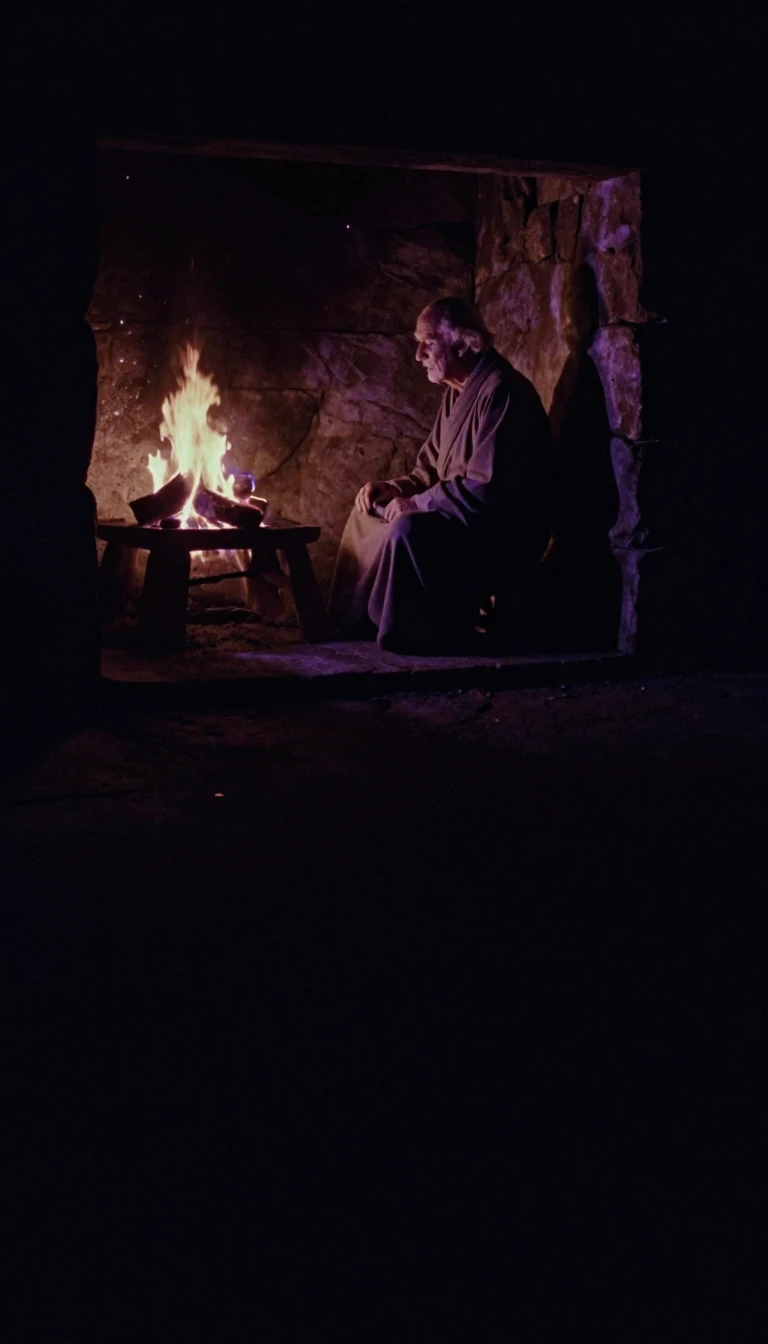
In short: Bahram Chobin was a towering Sasanian general who achieved the unthinkable: he seized the throne despite lacking royal blood. His rebellion against King Hormizd IV shattered centuries of tradition, blending military brilliance with messianic prophecy. Though he died in exile, his legacy endured as a symbol of Iranian national identity.
Bahram Chobin, a nobleman from the House of Mihran, rose to prominence as a military commander during the late Sasanian Empire. Known for his tall, slender frame—which earned him the nickname Chobin, or 'Wooden Shaft'—he proved his tactical genius in 588 by crushing a massive Hephthalite-Turkic invasion in Khorasan. With only 12,000 horsemen, he ambushed the enemy, personally killing the Turkic leader Bagha Qaghan. This victory made him a national hero, yet it also fueled the deep-seated suspicion of the Sasanian king, Hormizd IV.
The relationship between the king and his general soured after Bahram suffered a minor defeat against the Byzantines. Hormizd, reportedly goaded by jealous courtiers, humiliated the general by sending him a chain and a spindle, effectively labeling him a lowly, ungrateful slave. This insult triggered a historic rebellion. In 590, Bahram marched on the capital, Ctesiphon, becoming the first Parthian dynast to openly challenge the legitimacy of the Sasanian royal family. He justified his coup by invoking Zoroastrian apocalyptic beliefs, positioning himself as the promised savior, Kay Bahram Varjavand, destined to restore the ancient Arsacid Empire.
Bahram’s reign was short-lived. The deposed king's son, Khosrow II, fled to the Byzantine Empire and secured military support from Emperor Maurice. By 591, Khosrow’s forces, bolstered by Byzantine troops, defeated Bahram at the Battle of Blarathon. Bahram fled to the Western Turkic Khaganate, where he was eventually assassinated at the instigation of Khosrow II. Despite his defeat, Bahram’s influence persisted for centuries. His life was immortalized in the 'Book of Bahram Chobin' and later woven into the epic Shahnameh by the poet Ferdowsi. His descendants, the Samanids, would later rise to rule eastern Iranian lands, cementing his place as a foundational figure in Persian literature and nationalist memory.
The historical reality of Bahram is obscured by layers of fable and propaganda. While he is remembered as a traitor in some accounts, his military exploits and noble lineage ensured his status as a recurring archetype of the 'rebel general.' Whether viewed as a usurper or a messianic figure, Bahram Chobin remains a pivotal, if contested, character in the history of the Sasanian era.
Opens the Intellect+ feed with this card first. Swipe up for the next one.
Sources
- Summary by Intellect · source: Bahram Chobin
- Also: Bahrām VI Chūbīn | Sasanian Dynasty, Persian Ruler, Conqueror | Britannica
- Also: OpenAlex — Bahram Chobin · CC0 (metadata)
- Also: Studia Historica Gedanensia — A few remarks on the military discipline of the Sasanian army in the context of the revolt of Bahram Chobin · CC0 (metadata)
To cite this card, link to https://intellectplus.co.uk/app/society-bahram-chobin.
How we source, check and correct cards: Editorial standards.
General information, not professional advice. Spotted an error? Flag the card or see corrections and complaints.
Intellect Plus is a visual educational discovery platform for exploring fascinating facts and ideas. Brain Food, Not Brain Rot. What is Intellect Plus?
Related
More in History · Latest · A–Z · All topics
