Is the balance of power a path to global peace or a recipe for catastrophe?
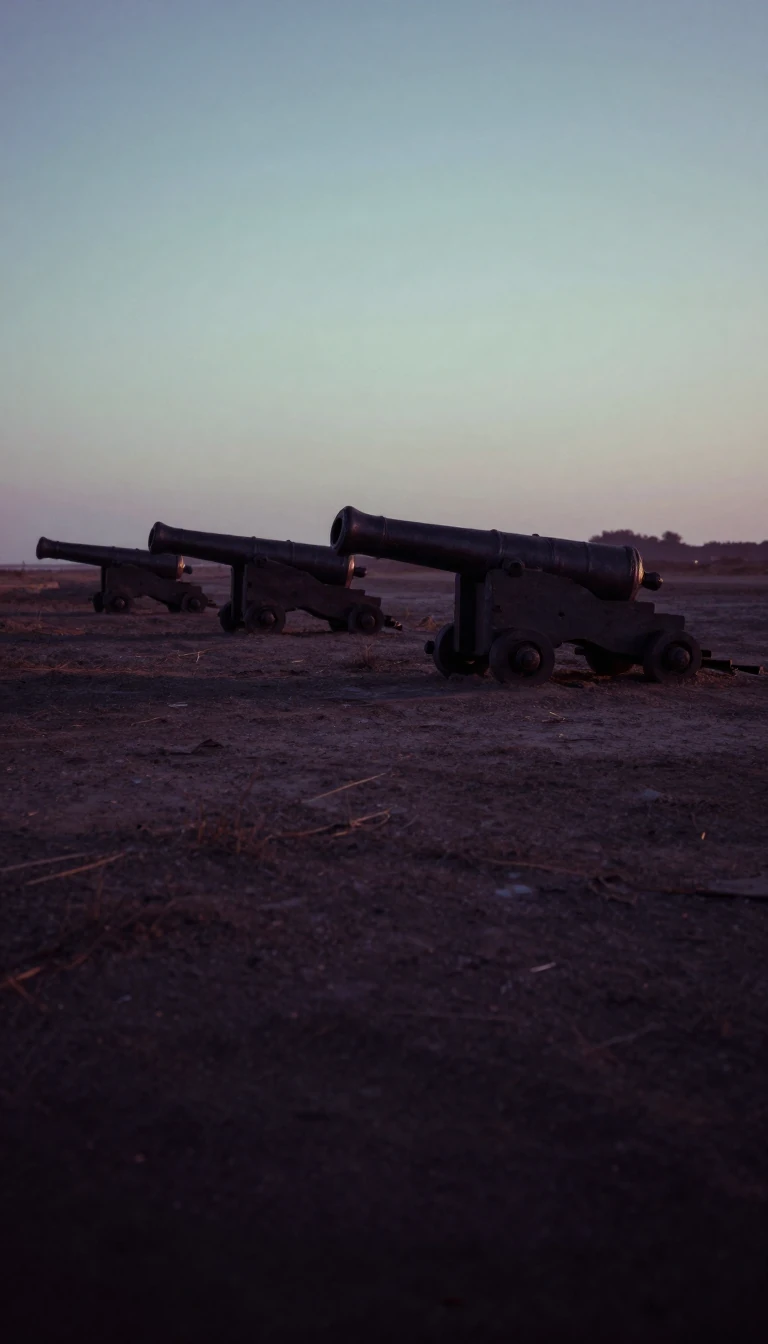
In short: For centuries, nations have sought security by matching their strength against rivals, either by building up their own arms or forming strategic alliances. While proponents argue this equilibrium prevents any single state from dominating, critics contend it is a dangerous, illusory policy that has repeatedly dragged the world into catastrophic conflict.
The balance of power is a fundamental, if contested, principle of international relations. Historically, it functioned as a mechanism for states to protect themselves by ensuring no single power could dictate terms to others. From the end of the Napoleonic Wars until World War I, this system defined European politics, with Great Britain acting as the essential balancer. By remaining unaligned and shifting its support to whichever side needed it, Britain used its naval supremacy to maintain a flexible and stable regional order.
The 20th century shattered this traditional structure. World War I and World War II integrated separate regional systems into a single global one, eventually resulting in a bipolar world dominated by the United States and the Soviet Union. This era replaced shifting, unpredictable alliances with two rigid, stable blocs: NATO and the Warsaw Pact. Because direct military confrontation risked nuclear annihilation, the superpowers shifted their competition toward a massive arms race and interventions in the Third World, while European nations lost the freedom of movement they once enjoyed.
The concept remains deeply divisive among scholars and historians. Some, like A.J.P. Taylor, argued that the mutual jealousy of great powers preserved peace and protected smaller states. Conversely, others like Edward Mead Earle and Clarence Streit viewed the policy as a path to disaster, suggesting that the pursuit of balance creates a precarious environment that inevitably leads to catastrophe. Even after the Soviet Union's collapse in 1991 rendered the old European balance irrelevant, the underlying logic of nuclear deterrence and power competition continues to influence how states navigate their security in an interconnected world.
Opens the Intellect+ feed with this card first. Swipe up for the next one.
Sources
- Summary by Intellect · source: Balance of power | Definition & Examples | Britannica
- Also: Balance of power (international relations)
To cite this card, link to https://intellectplus.co.uk/app/society-balance-of-power-international-relations.
How we source, check and correct cards: Editorial standards.
General information, not professional advice. Spotted an error? Flag the card or see corrections and complaints.
Intellect Plus is a visual educational discovery platform for exploring fascinating facts and ideas. Brain Food, Not Brain Rot. What is Intellect Plus?
Related
More in Society · Latest · A–Z · All topics
