From royal palace to site of mass execution: the turbulent history of Amboise
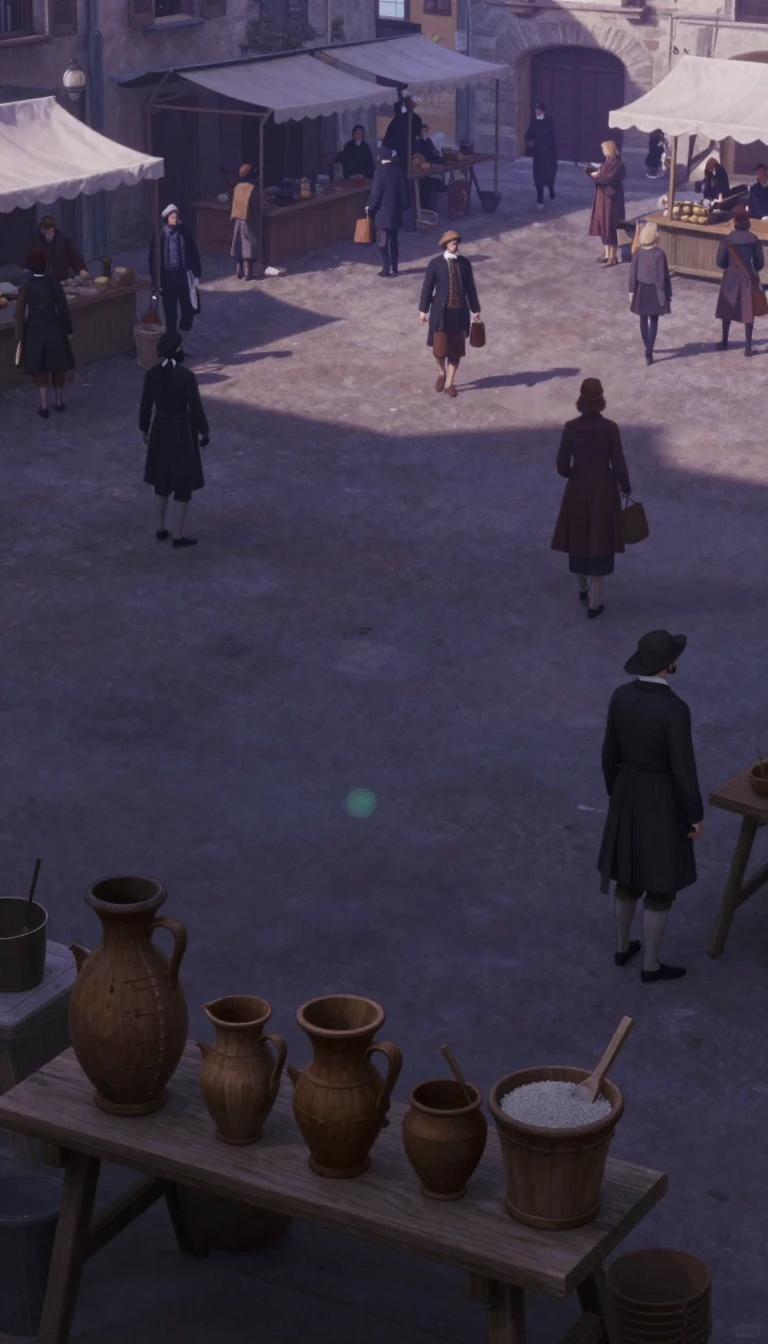
In short: Perched above the Loire, the Château d'Amboise evolved from a strategic medieval fortress into a cradle of the French Renaissance. Yet, this site of artistic innovation and royal grandeur also served as a grim prison and the backdrop for a brutal religious purge that left the town smelling of corpses.
The site’s strategic value dates back to a Gallic oppidum, but its medieval identity was forged by the Angevin dynasty. By the 15th century, the monarchy seized the property, transforming it into a favoured residence for kings from Louis XI to Francis I. Charles VIII initiated extensive renovations, introducing Italian Renaissance motifs through architects like Domenico da Cortona. This era of refinement saw Leonardo da Vinci arrive in 1515, living at the nearby Clos Lucé until his death in 1519.
The château’s history took a dark turn during the 1560 Wars of Religion. Following a failed Huguenot conspiracy against the House of Guise, the crown executed 1,200 Protestants. The victims were gibbeted from the castle walls and the Logis du Roy balcony, forcing the royal court to flee the stench of decay. Later, the site transitioned into a prison, housing political figures like Nicolas Fouquet and the duc de Lauzun under Louis XIV, and eventually the Algerian leader Emir Abd Al-Qadir, who was held there from 1848 until his release in 1852.
The physical structure suffered immensely over the centuries. After the French Revolution, the Chapel of St Florentin—where Leonardo was allegedly buried—was demolished for its stone. While excavations in the 19th century claimed to find his remains, accounts remain contradictory. Today, the château is maintained by the Fondation Saint-Louis, following centuries of decline, partial demolition, and restoration efforts that began in earnest under Louis-Philippe and continued after 1940 war damage.
Opens the Intellect+ feed with this card first. Swipe up for the next one.
Sources
- Summary by Intellect · source: Château d'Amboise
To cite this card, link to https://intellectplus.co.uk/app/society-ch-teau-d-amboise.
How we source, check and correct cards: Editorial standards.
General information, not professional advice. Spotted an error? Flag the card or see corrections and complaints.
Intellect Plus is a visual educational discovery platform for exploring fascinating facts and ideas. Brain Food, Not Brain Rot. What is Intellect Plus?
Related
More in Society · Latest · A–Z · All topics
