Is the world becoming one culture, or are we just forming new global tribes?
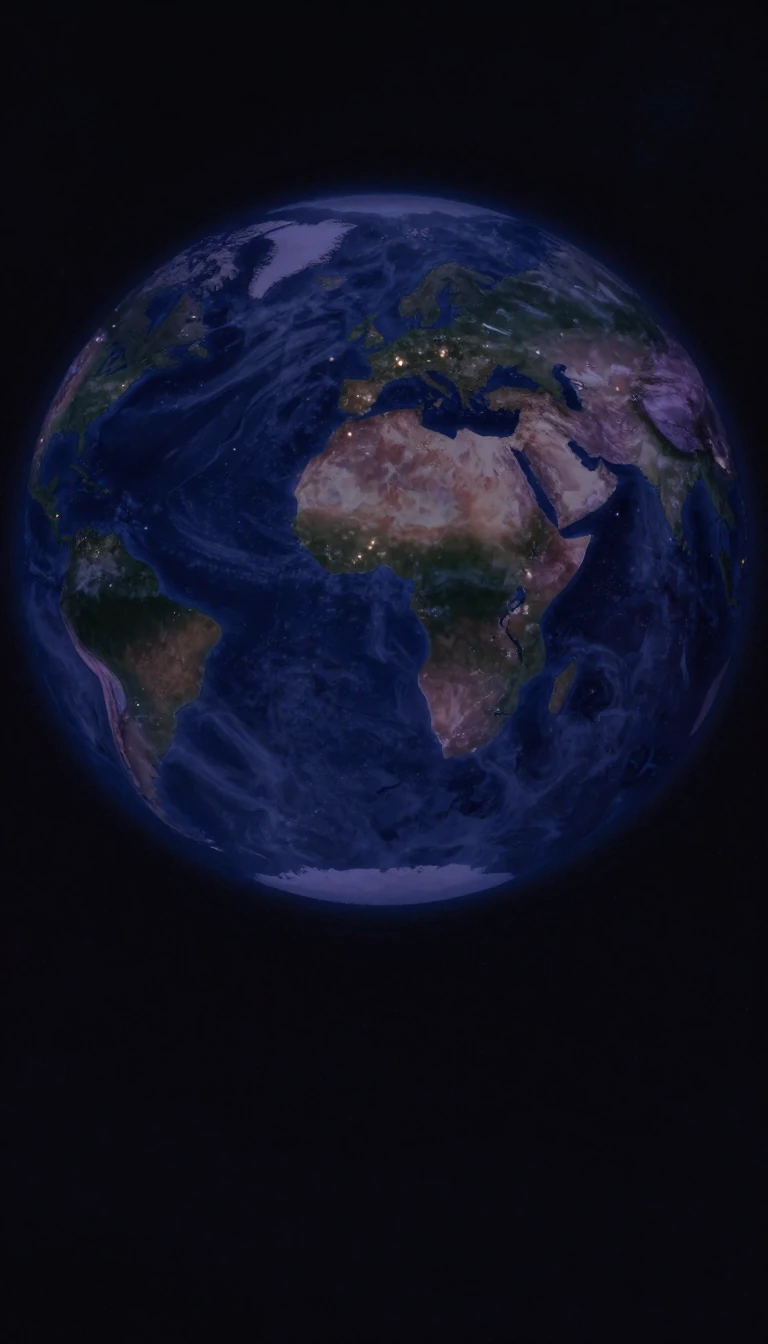
In short: Cultural globalization is often blamed for erasing local traditions in favor of a bland, homogenized world. Yet, the reality is more nuanced. Rather than a single global culture, we are witnessing the rise of specialized, transnational networks that transcend borders, from elite financial circles to globalized academic communities.
The idea that globalization inevitably leads to a uniform world culture is frequently overstated. While the diffusion of commodities, popular culture, and wireless communication creates homogenizing pressures, it has not produced a single, monolithic global identity. Instead, the phenomenon has fostered the emergence of distinct global subcultures—groups of individuals who share values, aspirations, or lifestyles regardless of their geographical location.
One prominent example is the 'Davos' culture, identified by political scientist Samuel Huntington. Named after the Swiss town hosting the World Economic Forum since 1971, this cadre of international elites in finance, media, and diplomacy shares a common commitment to individualism, democracy, and market economics. They often feel more at home with their international peers than with their own less-sophisticated compatriots. Similarly, sociologist Peter L. Berger described a global 'faculty club'—a network of academics who use their influence in educational institutions to promote global issues like environmentalism and human rights, such as the antismoking movement that began in North America in the 1970s.
Other groups, such as the transnational workforce studied by anthropologist Arjun Appadurai, maintain multiple home bases, with software engineers in Silicon Valley keeping strong social ties to Indian states like Maharashtra and Punjab. Meanwhile, some nongovernmental organizations advocate for an 'organization of diversity' rather than uniformity. By the early 21st century, groups like Cultural Survival were helping indigenous peoples adopt a 'first peoples' designation, using global networks to highlight shared experiences of exploitation and preserve local traditions. Ultimately, cultural globalization is not merely a top-down erasure of local identity; it is a complex, multifaceted process of forming new, interconnected social realities.
This shift is supported by the rapid movement of ideas and people, facilitated by advancements in technology and international travel. While critics argue that this process favors Western thought, the reality remains a collection of overlapping, competing, and diverse global identities that continue to reshape how individuals define themselves in an increasingly interconnected world.
Opens the Intellect+ feed with this card first. Swipe up for the next one.
Sources
- Summary by Intellect · source: Cultural globalization | Pros, Cons, Examples, Impact, & Factors | Britannica
- Also: Cultural globalization
To cite this card, link to https://intellectplus.co.uk/app/society-cultural-globalization.
How we source, check and correct cards: Editorial standards.
General information, not professional advice. Spotted an error? Flag the card or see corrections and complaints.
Intellect Plus is a visual educational discovery platform for exploring fascinating facts and ideas. Brain Food, Not Brain Rot. What is Intellect Plus?
Related
More in Sociology · More in Society · Latest · A–Z · All topics
