How a failed London railway project became a global model for automated urban transit
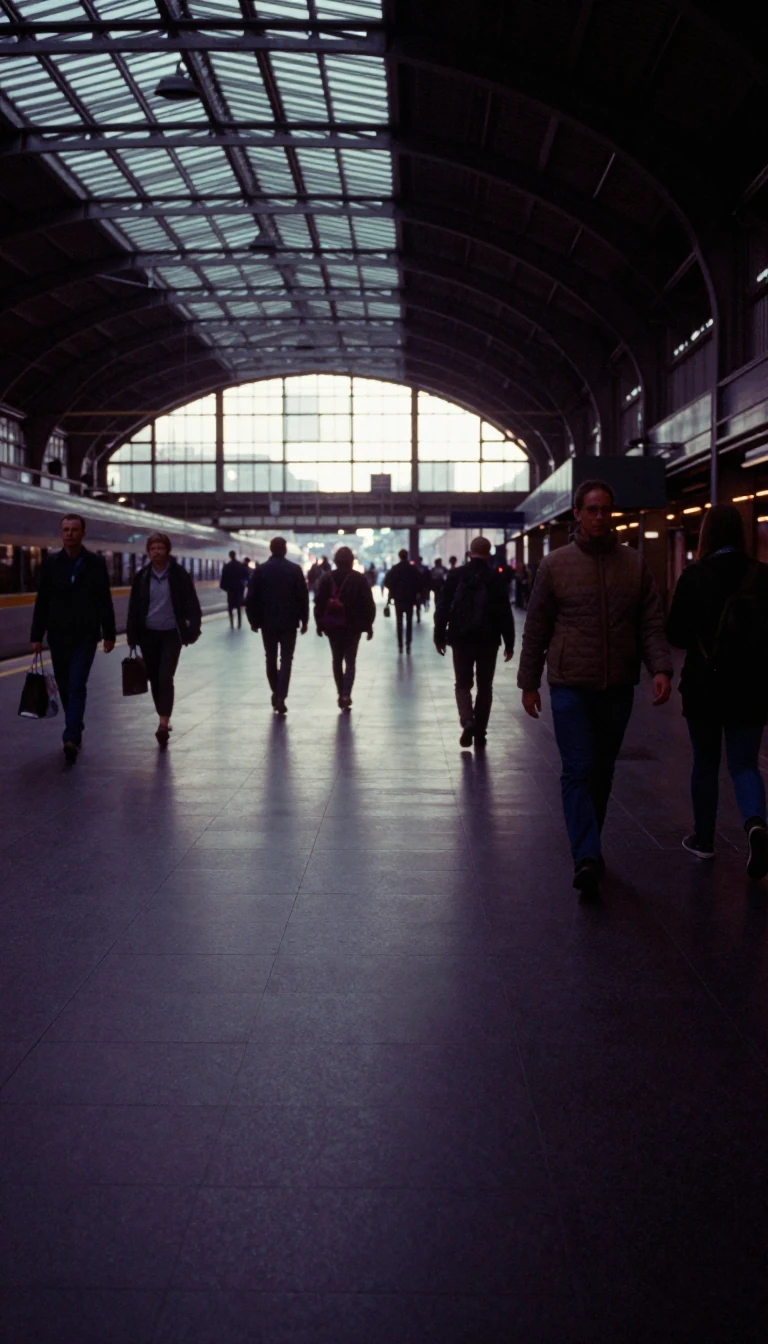
In short: Born from the economic decay of London's abandoned docks, the Docklands Light Railway transformed from a low-cost, stopgap transport solution into a high-tech, driverless network. By repurposing derelict industrial infrastructure, it defied early skepticism to become a vital artery connecting the city's financial heart to its rapidly expanding eastern suburbs.
In the 1960s and 1970s, the decline of London's historic docks—driven by containerization and the rise of deep-water ports like Tilbury—left the area economically devastated. As the docks closed, including the Royal Docks in 1981, the government sought a low-cost transport solution to spur redevelopment. Early, ambitious plans to extend the Jubilee line were scrapped by the Thatcher government due to high costs, estimated at £450 million. Instead, the London Docklands Development Corporation opted for a cheaper, automated light rail system.
The DLR opened on 31 August 1987 with a 12.1 km route, utilizing disused railway viaducts and a kit-of-parts approach to station architecture to keep costs within a £77 million budget. The system was revolutionary for its time, featuring fully automated, driverless trains. While initially criticized for its limited capacity and poor connections, the network proved essential as the Docklands evolved into a major financial hub. Subsequent expansions, such as the 1991 extension to Bank and the 1999 link to Lewisham, were fueled by private finance initiatives and the need to support massive office developments like Canary Wharf.
The network's evolution was further accelerated by the 2012 Olympic and Paralympic Games. To meet surging demand, the system underwent a major capacity upgrade, replacing single-car operations with three-car trains. This required complex engineering feats, including strengthening viaducts and constructing a 'diveunder' at the Delta Junction to eliminate service conflicts. Today, the DLR serves nearly 100 million passengers annually, demonstrating how a project once dismissed as a 'very isolated' venture with 'poor traffic prospects' could become a cornerstone of London's modern transit infrastructure.
Opens the Intellect+ feed with this card first. Swipe up for the next one.
Sources
- Summary by Intellect · source: Docklands Light Railway
To cite this card, link to https://intellectplus.co.uk/app/society-docklands-light-railway.
How we source, check and correct cards: Editorial standards.
General information, not professional advice. Spotted an error? Flag the card or see corrections and complaints.
Intellect Plus is a visual educational discovery platform for exploring fascinating facts and ideas. Brain Food, Not Brain Rot. What is Intellect Plus?
Related
More in UK & Ireland: life · More in Society · Latest · A–Z · All topics
