Why foster care alumni often face higher rates of PTSD than combat veterans
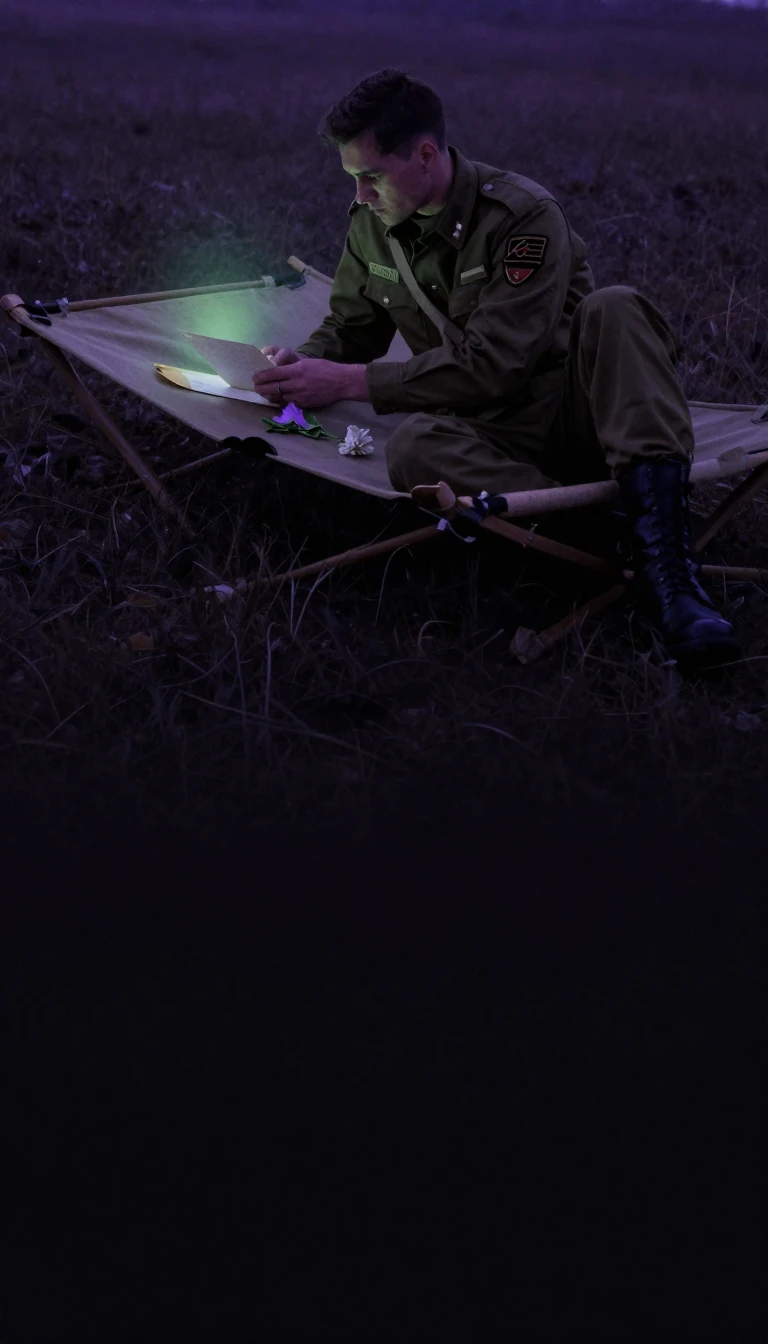
In short: The foster care system is designed to protect vulnerable children, yet research reveals a troubling paradox. Alumni of the system frequently struggle with psychiatric conditions, including post-traumatic stress disorder, at rates that exceed those of combat veterans. Understanding the long-term impact of early childhood instability is essential to reform.
Foster care is a state-managed system where children are placed in temporary homes or residential facilities when their biological parents cannot provide care. While the primary goal is often reunification, the experience is frequently marked by instability. In the United States, children spend an average of two birthdays in the system, and many face significant developmental hurdles. Because the majority of children enter care due to neglect, they often miss out on the stable, stimulating environments critical for early brain development.
The long-term outcomes for foster care alumni are stark. Studies, such as the Casey Family Programs Northwest Foster Care Alumni Study, have documented elevated rates of psychiatric morbidity, including anxiety, depression, and ADHD. Most alarmingly, research in Oregon and Washington found that 25% of foster care alumni met the diagnostic criteria for PTSD—a rate higher than that of Vietnam veterans (15%) or Iraq war veterans (12–13%), and far exceeding the 4% rate in the general population. These children often struggle with trust, which can lead to further placement breakdowns.
The system itself faces systemic challenges that complicate these outcomes. High turnover among social workers, driven by heavy caseloads and emotional strain, limits the quality of care provided. Furthermore, while foster parents undergo screening, there is often a lack of ongoing monitoring. Reports indicate that children in care are at a higher risk of abuse than the general population, and some studies suggest that for certain children, the foster system may be more detrimental than remaining in a troubled home, though this remains a subject of debate due to potential selection bias in research.
Ultimately, the goal of foster care is to provide a safe, temporary bridge to permanency, yet the reality often involves a cycle of trauma. Whether through kinship care or adoption, the need for continuity is paramount. As governments worldwide, from Cambodia to Israel, continue to refine their child protection policies, the focus remains on balancing the urgent need for safety with the profound, lifelong necessity of stable, nurturing human relationships.
Opens the Intellect+ feed with this card first. Swipe up for the next one.
Sources
- Summary by Intellect · source: Foster care
To cite this card, link to https://intellectplus.co.uk/app/society-foster-care.
How we source, check and correct cards: Editorial standards.
General information, not professional advice. Spotted an error? Flag the card or see corrections and complaints.
Intellect Plus is a visual educational discovery platform for exploring fascinating facts and ideas. Brain Food, Not Brain Rot. What is Intellect Plus?
Related
More in Family and kinship · More in Society · Latest · A–Z · All topics
