From ancient copper to modern non-stick, the frying pan has evolved for millennia.
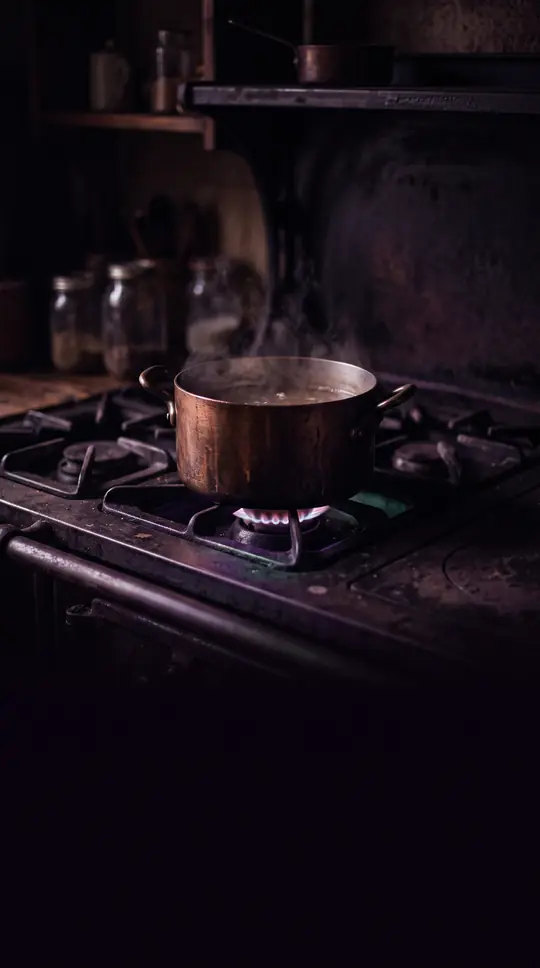
In short: The humble frying pan is a culinary veteran, tracing its roots to ancient Mesopotamia. While we now rely on sleek aluminum and Teflon, the evolution of this kitchen staple reflects broader shifts in how we harness heat, from open hearths and cast-iron spiders to precise, thermostatically controlled electric skillets.
The frying pan has been a fixture of human cooking for thousands of years. Early versions appeared in ancient Mesopotamia, while ancient Greeks and Romans utilized specialized vessels known as tágēnon, patella, or sartago. Before the mid-19th century, cooks relied on the 'spider'—a cast-iron pan equipped with three legs that allowed it to sit directly within the coals and ashes of a fire. The transition to the flat-bottomed pans we recognize today was driven by the rise of the kitchen stove, which rendered the spider’s legs obsolete.
Material science has long dictated cooking performance. Traditional choices like copper offer superior thermal conductivity, though they require tin linings to prevent reactivity with food. Cast iron, while less efficient at conducting heat, excels at heat retention, making it ideal for searing. Carbon steel remains prized for its ability to develop a 'seasoning'—a polymerized oil patina that provides a natural non-stick surface. In contrast, modern consumer pans often utilize stainless steel or aluminum, frequently enhanced with synthetic coatings.
The 20th century introduced a major shift in convenience with the invention of non-stick technology. Marc Gregoire patented a process for bonding Teflon to aluminum in France in 1954, leading to the launch of the Tefal brand in 1956. Simultaneously, the electric skillet revolutionized temperature management. Sunbeam’s 1953 Automatic Frypan, featuring a thermostatic control, became a household icon. While the microwave has since supplanted the electric skillet in many homes, these devices remain a testament to the ongoing quest for precision in the kitchen, bridging the gap between traditional stovetop methods and automated cooking.
Understanding these tools is essential for technique. For instance, non-stick surfaces are often counterproductive for deglazing, as they prevent the formation of the browned residue necessary for creating complex pan sauces. Whether using a traditional sauteuse or a modern electric pan, the choice of material and design remains a critical factor in achieving specific culinary results.
Opens the Intellect+ feed with this card first. Swipe up for the next one.
Sources
- Summary by Intellect · source: Frying pan
To cite this card, link to https://intellectplus.co.uk/app/society-frying-pan.
How we source, check and correct cards: Editorial standards.
General information, not professional advice. Spotted an error? Flag the card or see corrections and complaints.
Intellect Plus is a visual educational discovery platform for exploring fascinating facts and ideas. Brain Food, Not Brain Rot. What is Intellect Plus?
Related
More in Household items · More in Society · Latest · A–Z · All topics
