The Great Horde was a fading shadow of a once-mighty empire struggling for survival.
In short: As the Golden Horde fractured, the Great Horde emerged as a desperate rump state centered in Sarai. Clinging to the legacy of its predecessor, it fought to maintain control over trade routes and tributary vassals, only to be dismantled by rival khanates and the rising power of Muscovy.
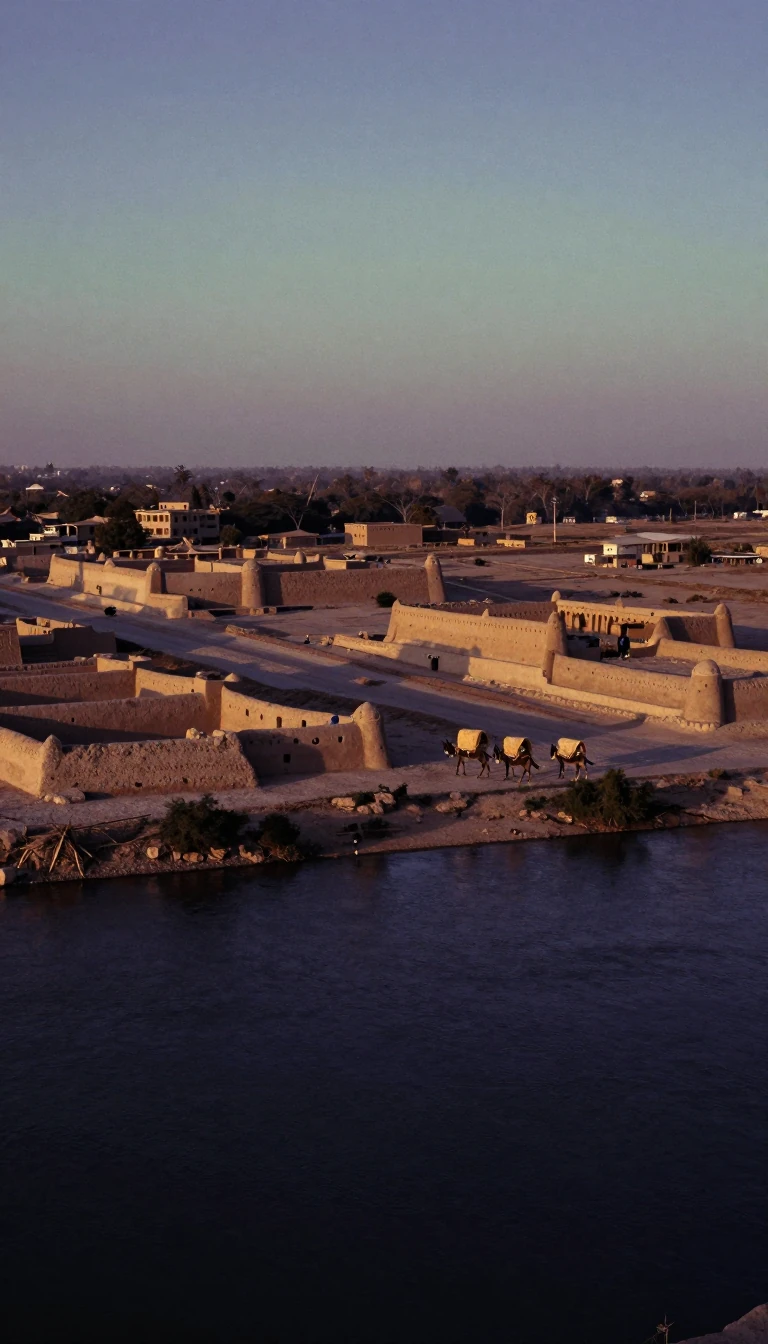
The Great Horde, emerging in the mid-15th century, represented the administrative core of the former Golden Horde. Centered at Sarai on the lower Volga, it was led by four tribes: the Qiyat, Manghud, Sicivud, and Qonqirat. The name itself was a strategic branding effort, likely intended to link the diminished state to the original prestige of the Golden Horde. However, the reality was far from glorious. As the 15th century progressed, the state faced constant fragmentation, losing control over regions like Crimea and the territory that became the Kazan Khanate.
Economic decline was a primary driver of the Horde's instability. Traditionally, the state relied on transit fees and customs duties from Volga river traffic. As its political influence waned, it lost the ability to protect these trade routes. Travelers like the Venetian diplomat Ambrogio Contarini, who passed through in 1475–1476, described the region as a 'continual desert' where caravans were frequently robbed. In a desperate attempt to compensate for lost revenue, the khans resorted to raiding merchant caravans and neighboring territories, which only further destabilized the region and alienated potential allies.
The end of the Great Horde was marked by shifting geopolitical alliances. By the 1470s, Muscovy stopped paying tribute, and the 1480 Great Stand on the Ugra River signaled the formal conclusion of the 'Tatar yoke.' The Great Horde found itself caught in a proxy war between the Crimean Khanate—a vassal of the Ottoman Empire—and the Polish-Lithuanian Commonwealth. In 1502, the Crimean Khanate finally sacked Sarai, effectively ending the Great Horde. The remaining remnants were eventually defeated at the Battle of Samara River, leaving the last khan, Sheikh Ahmed, to die in a Lithuanian prison.
Opens the Intellect+ feed with this card first. Swipe up for the next one.
Sources
- Summary by Intellect · source: Great Horde
To cite this card, link to https://intellectplus.co.uk/app/society-great-horde.
How we source, check and correct cards: Editorial standards.
General information, not professional advice. Spotted an error? Flag the card or see corrections and complaints.
Intellect Plus is a visual educational discovery platform for exploring fascinating facts and ideas. Brain Food, Not Brain Rot. What is Intellect Plus?
Related
More in Society · Latest · A–Z · All topics
